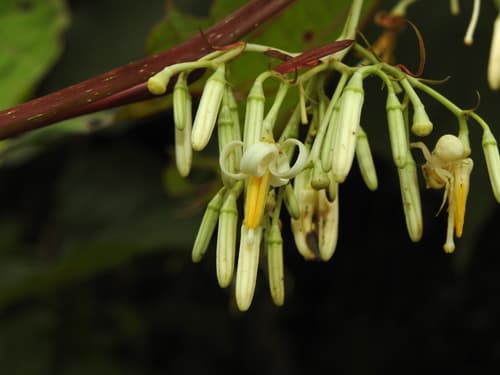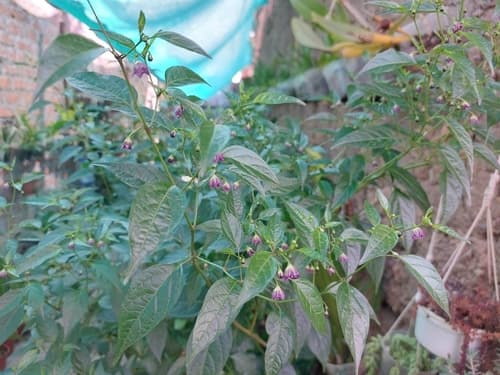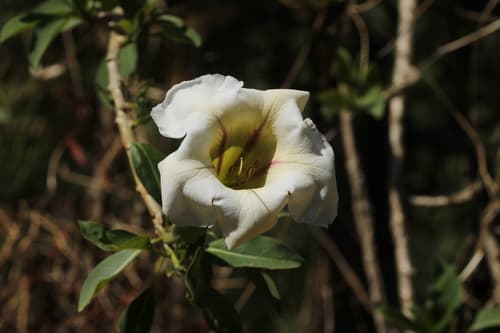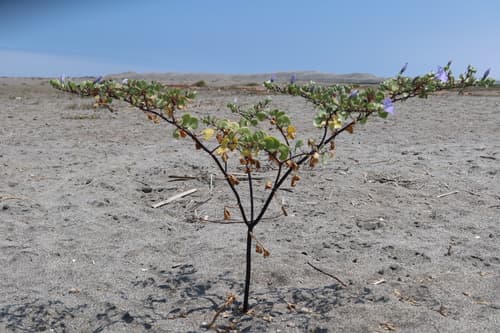
Anisodus acutangulus
Image: Tom Incrocci and Claire Cohen (cc-by-nc)
NameAnisodus acutangulus
Scientific NameAnisodus acutangulus C.Y.Wu & C.Chen
Common NamesAcute-angled Anisodus, 锐角山莨菪 (Ruì jiǎo shān làng dàng)
Plant FamilySolanaceae
Natural HabitatFound in mountainous areas, grasslands, forest margins, and slopes in provinces such as Yunnan, Sichuan, and Tibet, preferring moist, well-drained soils.
Parts Usedroot
Medicinal Actionsanalgesic, sedative, anti-inflammatory
Traditional UsesTraditionally used in Chinese medicine to relieve various types of pain, including gastrointestinal spasms, colic, and rheumatic pain. It is also employed for its antispasmodic effects on smooth muscles and to reduce inflammation.
Active ConstituentsAnisodamine, Anisodine, Scopolamine, Atropine
Preparation Methodsdecoction, powder, tincture
Contraindications & WarningsContraindicated in individuals with glaucoma, prostatic hypertrophy, severe heart disease, tachycardia, and myasthenia gravis. Use with extreme caution in pregnant or lactating women, children, and the elderly. Can interact with other anticholinergic drugs.
Cultivation NotesPrefers full sun to partial shade and well-drained, fertile soil. It can be propagated by seed or root division and thrives in temperate to subtropical mountainous climates.
Rarityuncommon
Description
Anisodus acutangulus is a perennial herb native to mountainous regions of southwestern China. It is characterized by its bell-shaped flowers and leaves and roots rich in tropane alkaloids, making it a potent medicinal plant.