Cestrum fulvescens
NameCestrum fulvescens
Scientific NameCestrum fulvescens
Plant FamilySolanaceae
Natural HabitatNative to Central and South America, Cestrum fulvescens is typically found in tropical and subtropical regions, often thriving in disturbed areas, forest edges, and open woodlands.
Parts Usedleaf,flower
Medicinal Actionsantimicrobial, anti-inflammatory
Traditional UsesWhile some Cestrum species have been investigated for potential antimicrobial or anti-inflammatory properties in laboratory settings, and some related species have limited traditional external uses (e.g., as poultices for skin ailments or pain), Cestrum fulvescens itself lacks specific, well-documented safe medicinal uses. The entire genus Cestrum is generally considered toxic, and internal use is strongly discouraged.
Active Constituentssteroidal saponins, alkaloids, flavonoids
Preparation Methodspoultice
Contraindications & WarningsALL parts of Cestrum fulvescens are considered toxic. Ingestion can cause severe gastrointestinal upset, neurological symptoms, and can be fatal. Contact with the plant may also cause dermatitis in sensitive individuals. This plant should not be ingested or used internally under any circumstances. Any external use should be approached with extreme caution and under expert guidance due to potential skin irritation and systemic absorption of toxins.
Cultivation NotesCestrum fulvescens prefers full sun to partial shade and well-drained soil. It thrives in tropical and subtropical climates, requiring moderate watering. It can be grown as an ornamental shrub in suitable regions.
Raritycommon
Description
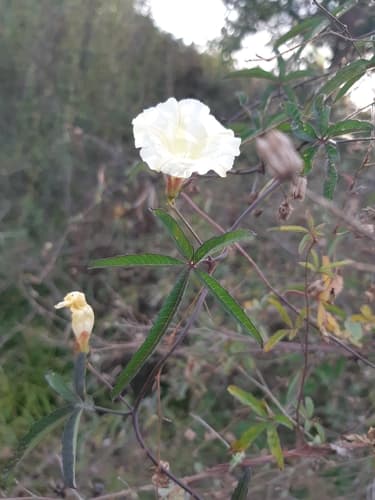
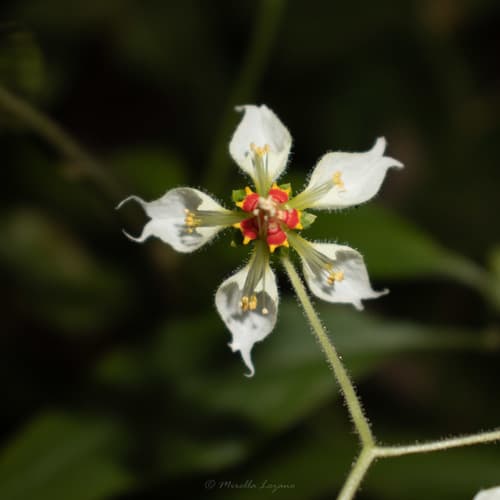
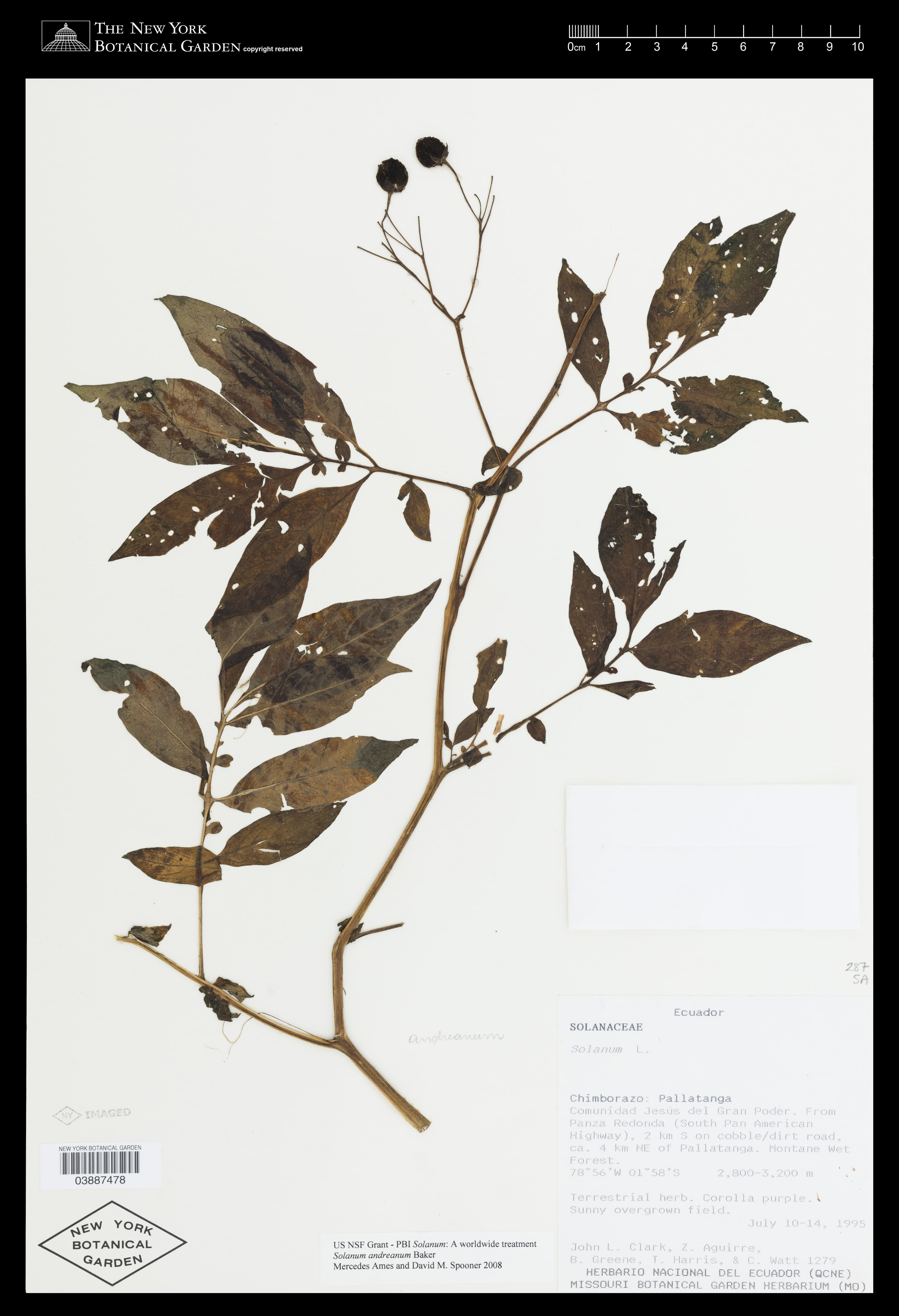
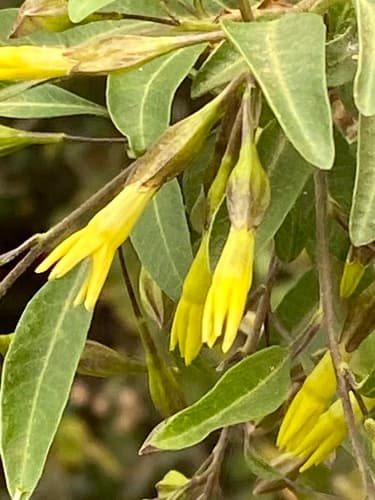
Cestrum fulvescens is a shrub or small tree characterized by its simple, alternate, ovate to lanceolate green leaves. It produces clusters of elongated, tubular, bright yellow flowers, which are typically five-lobed at the tip and can be mildly fragrant.