Cestrum dunalii
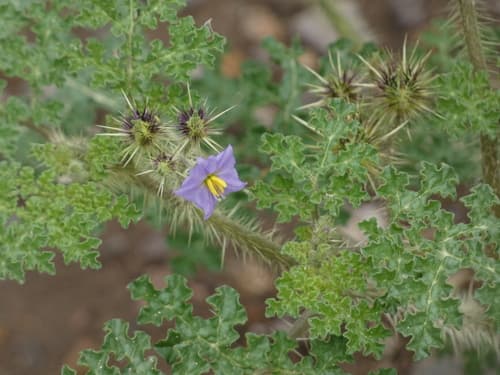
Image: Matthews (cc-by)
NameCestrum dunalii
Scientific NameCestrum dunalii Francey
Common NamesNone widely known
Plant FamilySolanaceae
Natural HabitatNative to montane and sub-montane regions of Peru, thriving in tropical and subtropical climates.
Parts Usedleaf,flower
Traditional UsesWhile some species within the genus *Cestrum* have been historically used in traditional medicine for various ailments (e.g., fevers, pain, skin conditions), *Cestrum dunalii* specifically lacks widely recognized safe medicinal applications. The genus *Cestrum* is generally considered toxic.
Active Constituentssteroidal saponins, alkaloids, toxic glycosides
Contraindications & WarningsAll parts of *Cestrum* species are generally considered toxic. Ingestion can cause severe gastrointestinal upset, neurological symptoms, and cardiac issues. Not recommended for internal or external medicinal use due to its poisonous nature. Strictly contraindicated for pregnant women, children, and individuals with liver or kidney conditions.
Cultivation NotesOften cultivated as an ornamental shrub in tropical and subtropical climates. It prefers well-drained soil and can tolerate full sun to partial shade. Propagation is typically by seeds or cuttings.
Rarityuncommon
Description
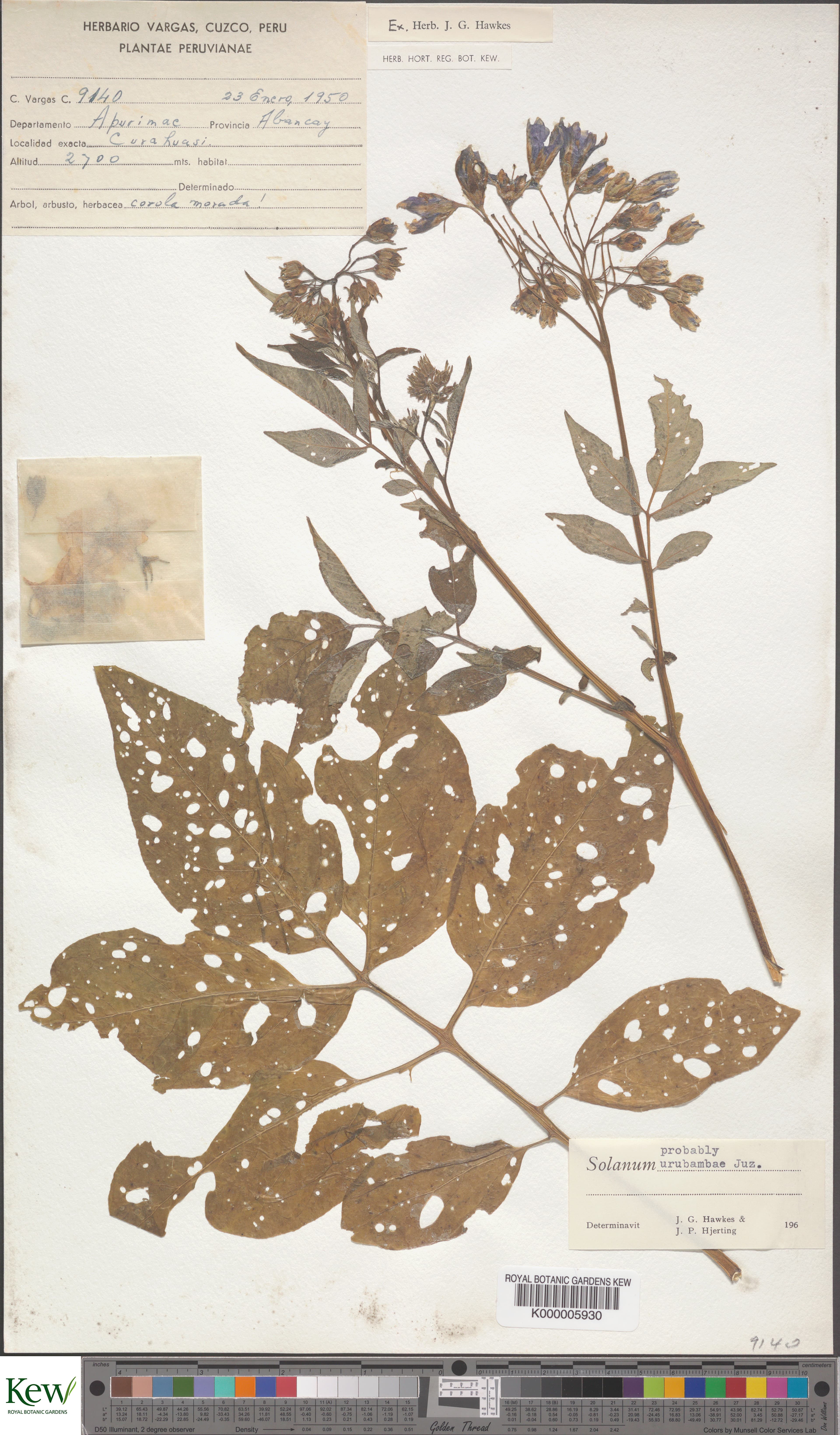
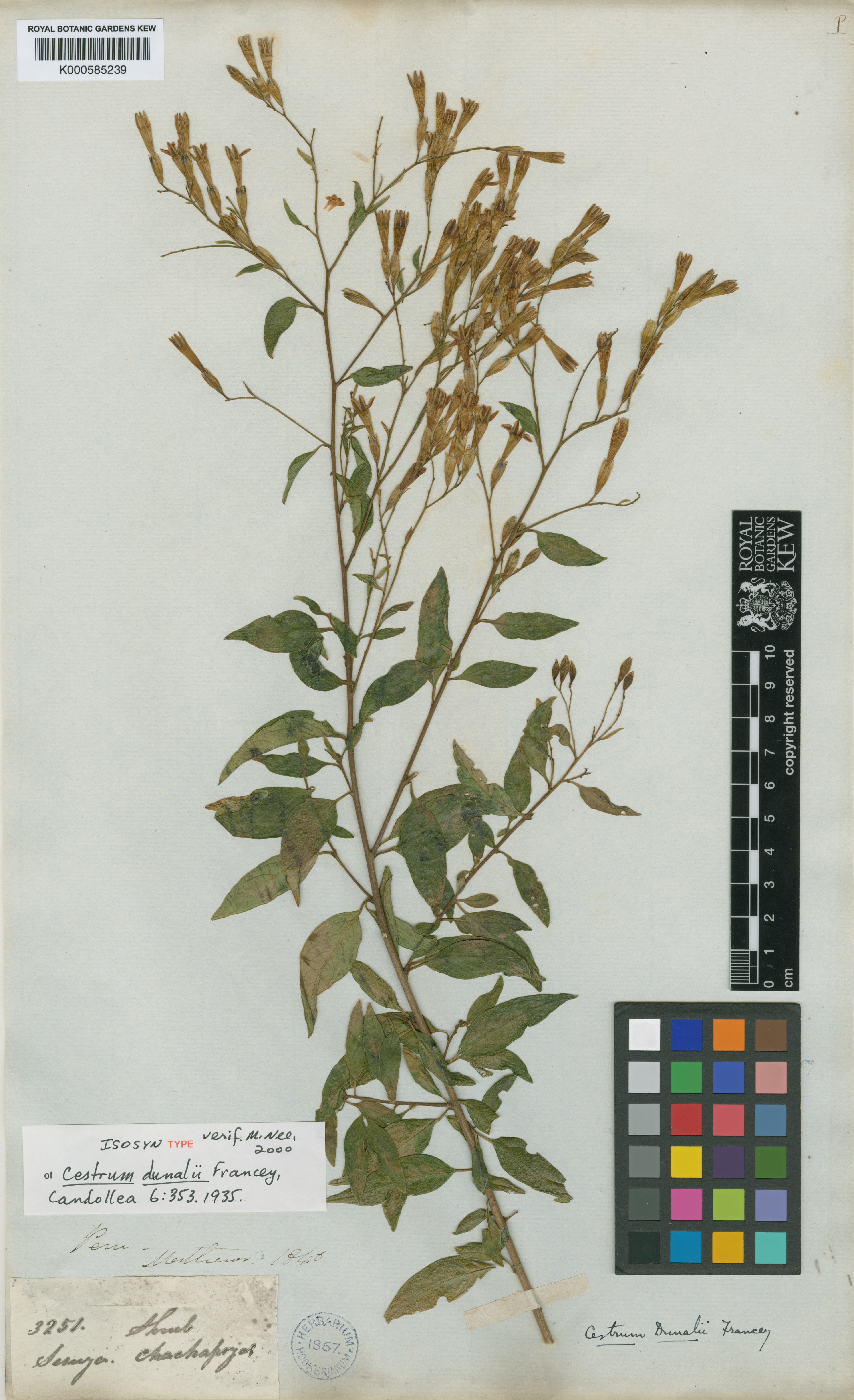
A woody shrub characterized by alternate, simple, entire-margined leaves and terminal or axillary clusters of elongated, tubular flowers. The specimen shows dried flowers and green foliage, typical of a preserved botanical sample.