Cornus excelsa
NameCornus excelsa
Scientific NameCornus excelsa
Common NamesMexican Dogwood, Central American Dogwood
Plant FamilyCornaceae
Natural HabitatNative to the moist montane cloud forests and humid pine-oak forests of southern Mexico and Central America, thriving in elevations between 1,500 and 3,000 meters.
Parts Usedbark,leaf,fruit
Medicinal Actionsastringent, anti-inflammatory, antioxidant
Traditional UsesWhile specific traditional uses for Cornus excelsa are not extensively documented in widely accessible ethnobotanical literature, other Cornus species have historically been used by indigenous peoples for their astringent properties. The bark was often employed as a febrifuge, an anti-malarial substitute for quinine, and for treating diarrhea, dysentery, and other conditions requiring an astringent. The leaves and bark might also have been used topically for wounds or skin irritations.
Active ConstituentsTannins, Iridoids, Flavonoids
Preparation Methodsdecoction, tincture, infusion, powder
Contraindications & WarningsDue to its astringent nature, excessive internal use may cause gastrointestinal upset or constipation. Pregnant or breastfeeding women and individuals with pre-existing gastrointestinal conditions should use with caution.
Cultivation NotesPrefers moist, well-drained, acidic to neutral soil and a cool, humid climate, often with partial shade, mimicking its native cloud forest environment. It is sensitive to drought and high temperatures.
Rarityuncommon
Description
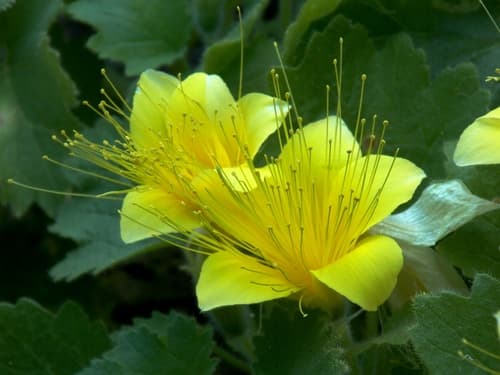
Cornus excelsa is a medium-sized tree or large shrub characterized by its dark green, ovate to elliptic leaves with prominent parallel veins. It produces clusters of small, creamy-white flowers, typically appearing in cymes, which are often followed by small, dark fruits.