longleaf 'aiea
Namelongleaf 'aiea
Scientific NameNothocestrum longifolium
Common Names'Aiea, Longleaf 'Aiea
Plant FamilySolanaceae
Natural HabitatThis plant thrives in mesic to wet forests, commonly found in ravines or on slopes across the Hawaiian islands of Kauaʻi, Oʻahu, Molokaʻi, Lānaʻi, and Maui, at elevations ranging from 300 to 1,500 meters.
Parts Usedbark,leaf
Medicinal Actionsanti-inflammatory, antimicrobial
Traditional UsesIn traditional Hawaiian medicine (Laʻau Lapaʻau), the bark and leaves of 'aiea were utilized. The bark was traditionally pounded and combined with other plants to treat various skin ailments, sores, and sometimes employed as a purgative. Leaves were also applied as poultices for topical skin conditions.
Active ConstituentsTropane alkaloids, Hyoscyamine, Scopolamine
Preparation Methodspoultice
Contraindications & WarningsDue to the presence of potent tropane alkaloids, Nothocestrum longifolium is considered toxic if ingested. Internal use is strongly discouraged. It should be avoided by pregnant or nursing women, children, and individuals with pre-existing heart conditions or glaucoma.
Cultivation NotesPrefers moist, well-drained soil in conditions ranging from partial shade to full sun. Requires consistent moisture and can be propagated from seeds or cuttings, though it is a slow-growing species.
Rarityrare
Description
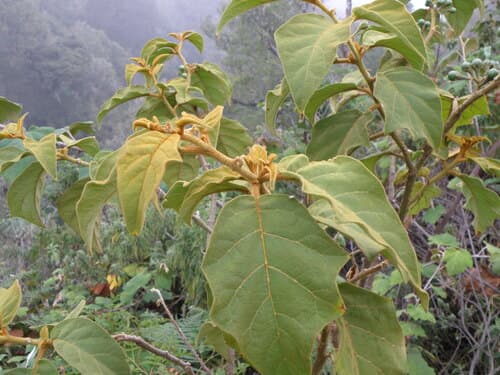
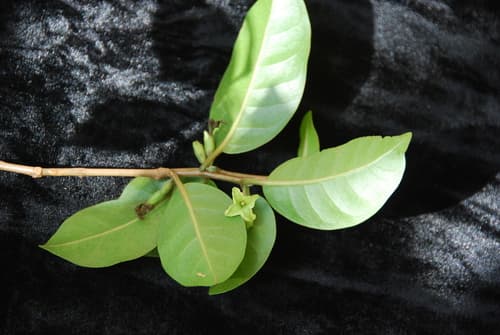
Nothocestrum longifolium is an endemic Hawaiian shrub or small tree, typically growing 3-10 meters tall. It is characterized by its oblong to elliptic leaves and small, greenish-yellow, tubular flowers that develop into distinctive fleshy, orange-red berries.