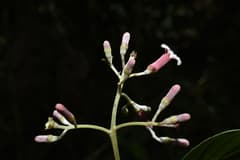
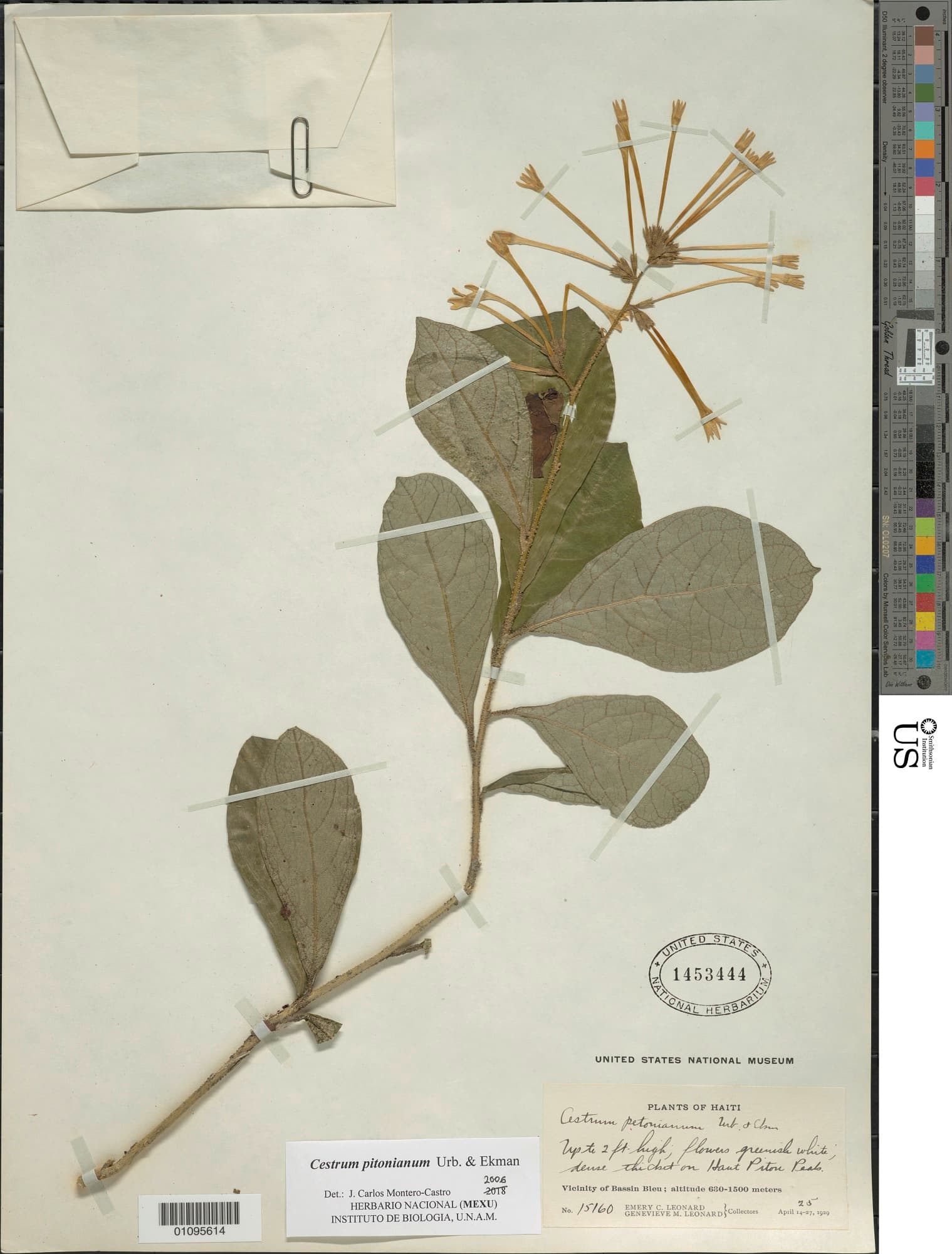
Wild Bindweed
NameWild Bindweed
Scientific NameConvolvulus arvensis
Common NamesField Bindweed, Morning Glory, Creeping Jenny, Small-flowered Morning Glory
Plant FamilyConvolvulaceae
Natural HabitatHighly adaptable, this plant thrives in disturbed soils, cultivated fields, gardens, roadsides, and waste areas across temperate regions worldwide. It prefers full sun and well-drained to moist soils.
Parts Usedroot,whole_plant
Medicinal Actionsdiuretic
Traditional UsesHistorically, the root of Wild Bindweed was used as a strong purgative to treat severe constipation and as a diuretic. Due to its potent laxative effects and potential toxicity, its internal use has largely been abandoned in modern herbal medicine.
Active ConstituentsResin glycosides, tannins, alkaloids, flavonoids
Preparation Methodsdecoction, infusion, powder
Contraindications & WarningsAll parts of the plant are considered toxic, especially the root. Internal use is strongly discouraged due to severe gastrointestinal upset, vomiting, diarrhea, and potential liver damage. Contraindicated in pregnancy, breastfeeding, children, and individuals with gastrointestinal inflammation or obstruction.
Cultivation NotesConsidered a noxious and invasive weed in many agricultural and garden settings due to its aggressive growth and deep, extensive root system. It is extremely difficult to eradicate once established and is not typically cultivated for medicinal purposes.
Raritycommon
Description
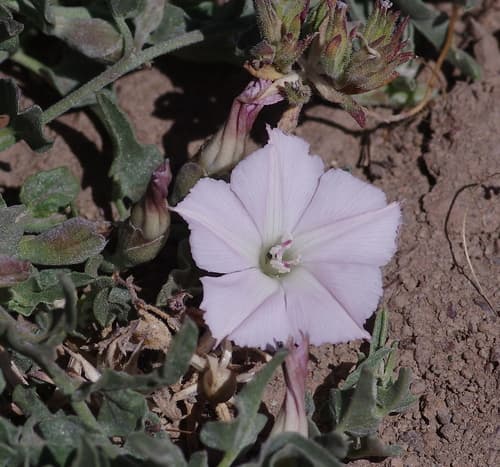
Wild Bindweed is a perennial herbaceous vine characterized by its twining stems, arrow-shaped to heart-shaped leaves, and small, trumpet-shaped white or pale pink flowers. It is a vigorous grower, often forming dense mats over other vegetation.