Solanum chilense
NameSolanum chilense
Scientific NameSolanum chilense
Common NamesChilean wild tomato, Wild tomato
Plant FamilySolanaceae
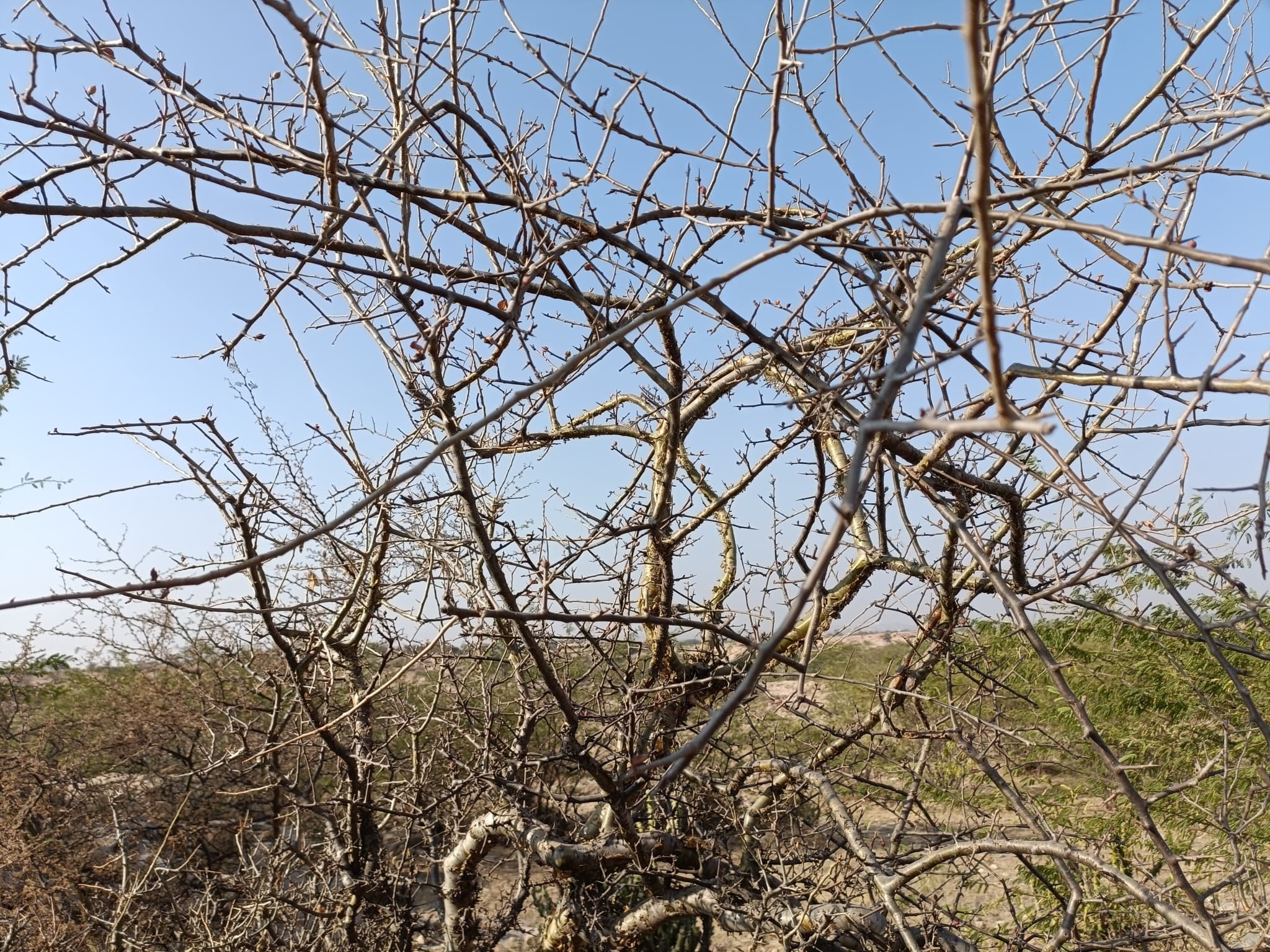
Natural HabitatNative to arid and semi-arid regions of coastal Peru and northern Chile, often found in rocky slopes, sandy soils, and disturbed areas. It is highly drought-tolerant.
Parts Usedwhole_plant
Medicinal Actionsantimicrobial, antioxidant
Traditional UsesSolanum chilense is not traditionally used as a direct medicinal plant by humans due to the presence of toxic glycoalkaloids. Its primary value is in plant breeding, where its genes are used to introduce drought resistance, disease resistance, and other desirable traits into cultivated tomatoes (Solanum lycopersicum). While some compounds within the plant may exhibit antimicrobial or antioxidant properties in research, direct human consumption is not recommended.
Active ConstituentsSteroidal glycoalkaloids (e.g., alpha-tomatine, solasodine derivatives), Flavonoids, Phenolic compounds
Preparation Methodspowder
Contraindications & WarningsAll parts of Solanum chilense, especially unripe fruits and foliage, contain toxic steroidal glycoalkaloids. Ingestion can cause gastrointestinal upset, neurological symptoms, and can be dangerous. It is not safe for internal human consumption and should not be used as an herbal remedy.
Cultivation NotesPrefers full sun and well-drained, sandy or rocky soils. Highly drought-tolerant once established. Can be grown from seed. Primarily cultivated in research settings for its genetic properties rather than for direct horticultural or medicinal use.
Rarityuncommon
Description
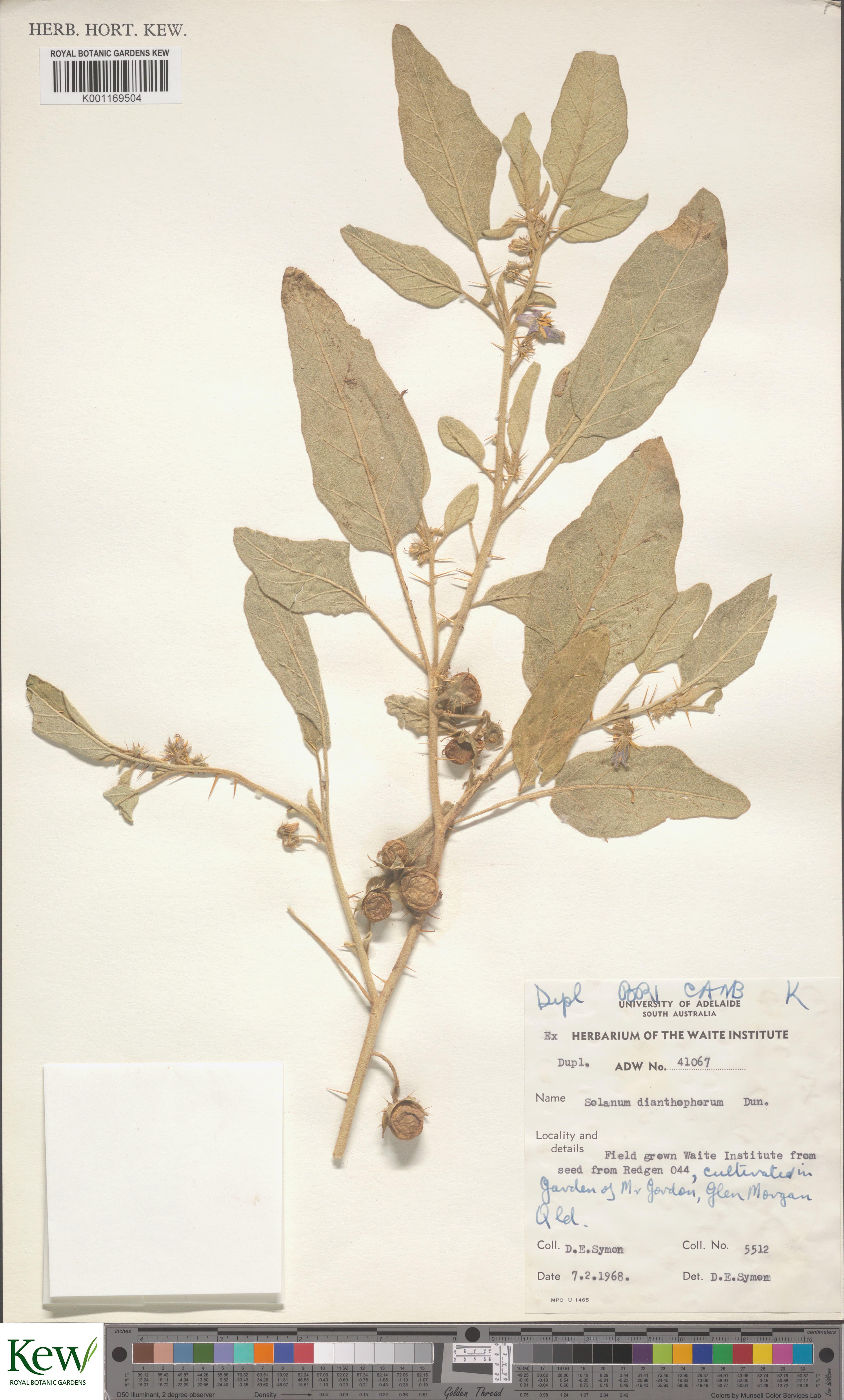
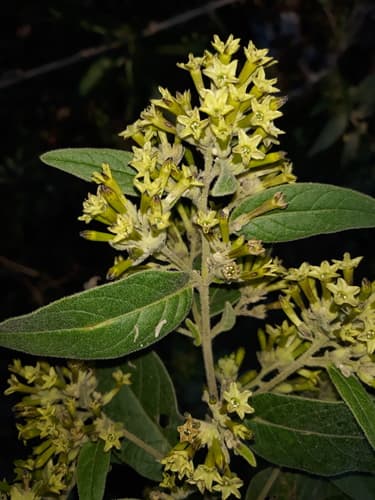
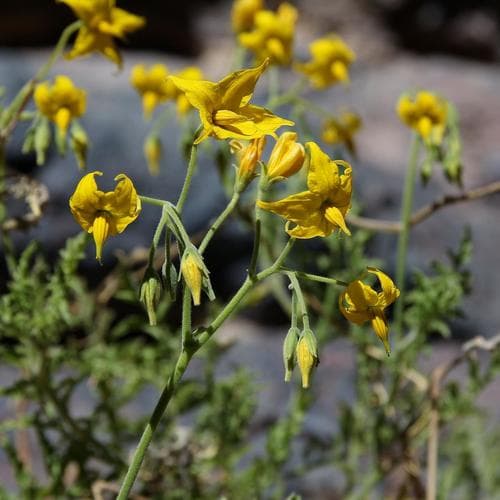
Solanum chilense is a wild herbaceous perennial plant, often sprawling or climbing, characterized by its small, bright yellow, star-shaped flowers with prominent yellow anthers. Its foliage is typically hairy, and it produces small, green to purplish fruits.