Solanum dianthophorum
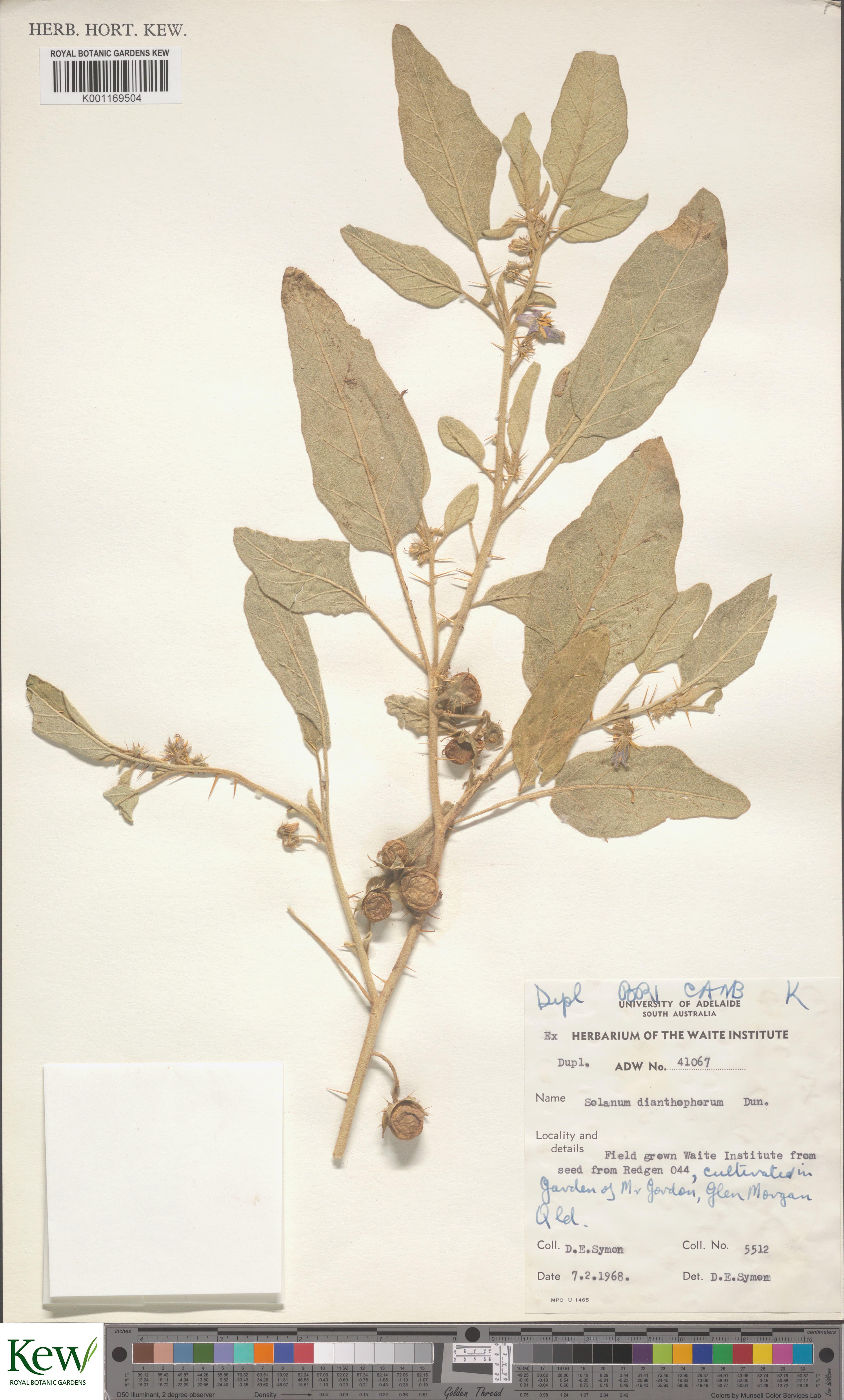
Image: Symon, D.E. (cc-by)
NameSolanum dianthophorum
Scientific NameSolanum dianthophorum Dunal
Plant FamilySolanaceae
Natural HabitatNative to arid and semi-arid regions, often found in disturbed areas or open woodlands. The specimen was cultivated in a garden in Glen Morgan, South Australia, indicating its adaptability to cultivation in suitable climates.
Parts Used
Medicinal Actionsanti-inflammatory
Traditional UsesWhile some species within the genus Solanum have traditional medicinal applications, specific traditional uses for Solanum dianthophorum are not widely documented. The plant is known to contain steroidal glycoalkaloids, which are toxic, and therefore, it is not generally considered safe for internal medicinal use. Any potential anti-inflammatory properties, derived from general Solanum chemistry, are overshadowed by its inherent toxicity.
Active Constituentssteroidal glycoalkaloids
Contraindications & WarningsAll parts of Solanum dianthophorum are considered potentially toxic due to the presence of steroidal glycoalkaloids. Ingestion can cause severe gastrointestinal upset, neurological symptoms, and other adverse effects. It should not be consumed or used medicinally without expert guidance and extreme caution.
Cultivation NotesThis species can be cultivated from seed in appropriate climates, as evidenced by the specimen's origin from a cultivated garden. It likely thrives in full sun and well-drained soil, typical conditions for many Solanum species found in arid regions.
Rarityuncommon
Description
This thorny herbaceous plant features ovate to lanceolate leaves, often covered in fine hairs, and prominent spines on its stems and sometimes leaves. It produces small, typically purple flowers that develop into distinctive round, spiny fruits. The specimen shows dried leaves, flowers, and mature fruits.