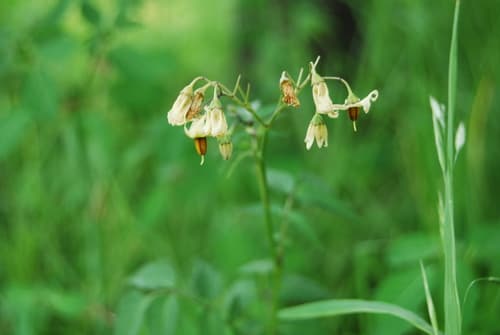
Solanum cardiophyllum
NameSolanum cardiophyllum
Scientific NameSolanum cardiophyllum
Common NamesHeartleaf Potato, Papa de Corazón
Plant FamilySolanaceae
Natural HabitatNative to Mexico, this species thrives in diverse habitats including pine-oak forests, grasslands, and disturbed areas, often found at moderate to high elevations.
Parts Usedroot,leaf
Medicinal Actionsanti-inflammatory, antimicrobial
Traditional UsesIndigenous peoples in Mexico traditionally consumed the tubers after extensive processing (e.g., leaching, cooking) to reduce toxicity, using them as a food source. While some Solanum species have been explored for medicinal properties, the high toxicity of S. cardiophyllum means any traditional medicinal use would have been highly localized, external, or involved extremely careful detoxification and dosage, often for conditions like skin ailments.
Active Constituentssteroidal glycoalkaloids, solanine, chaconine, leptine I, leptine II
Preparation Methodsdecoction, poultice
Contraindications & WarningsDue to its high content of toxic glycoalkaloids, Solanum cardiophyllum is NOT recommended for internal consumption without expert guidance and extensive detoxification. Symptoms of poisoning include nausea, vomiting, diarrhea, abdominal pain, headache, dizziness, and in severe cases, neurological symptoms and death. It is contraindicated in pregnancy, lactation, children, individuals with gastrointestinal issues, liver or kidney disease, and those sensitive to plants in the Solanaceae family.
Cultivation NotesThis wild potato species prefers well-drained soil and can tolerate a range of sun exposures from full sun to partial shade. It is a hardy plant, often found in disturbed areas, and can be grown from seed or tuber pieces. It is primarily cultivated for genetic research in potato breeding rather than for direct consumption or widespread medicinal use.
Rarityuncommon
Description
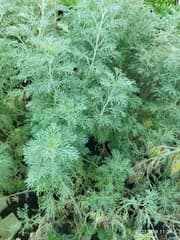
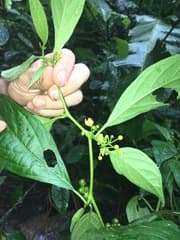
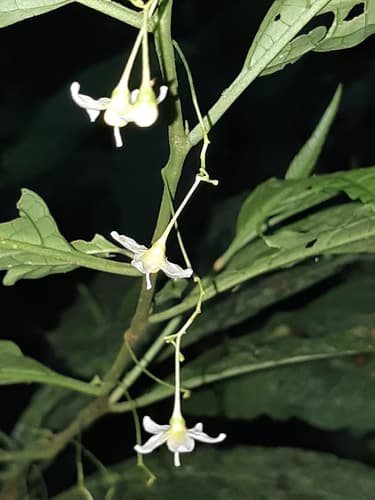
Solanum cardiophyllum is a perennial wild potato species native to Mexico, characterized by its slender stems, pinnately compound leaves, and clusters of small, typically white to pale yellow flowers with prominent yellow anthers. It produces small, heart-shaped tubers that are generally bitter and toxic due to high glycoalkaloid content.