Southernwood
NameSouthernwood
Scientific NameArtemisia abrotanum
Common NamesOld Man, Lad's Love, Appleringie, Gard-robe, Our Lord's Wood
Plant FamilyAsteraceae
Natural HabitatNative to southern Europe, Southernwood thrives in dry, sunny locations with well-drained soil. It is often found growing in rocky areas, roadsides, and waste ground, demonstrating good drought tolerance.
Parts Usedleaf,flower
Medicinal Actionsantimicrobial, carminative, anti-inflammatory
Traditional UsesTraditionally, Southernwood has been used as a digestive aid, to expel intestinal worms, and to regulate menstruation. It was also employed externally for skin conditions, as an insect repellent, and as a hair tonic to stimulate growth.
Active ConstituentsVolatile oils (e.g., 1,8-cineole, thujone, camphor), Coumarins, Flavonoids, Tannins
Preparation Methodsinfusion, tincture, poultice, essential oil, powder
Contraindications & WarningsAvoid use during pregnancy and lactation due to the presence of thujone. Large doses can be toxic, and sensitive individuals may experience skin irritation upon topical application.
Cultivation NotesSouthernwood prefers full sun and well-drained soil, tolerating poor soil conditions and drought once established. It is hardy in USDA zones 4-8 and can be propagated easily by cuttings or division.
Raritycommon
Description
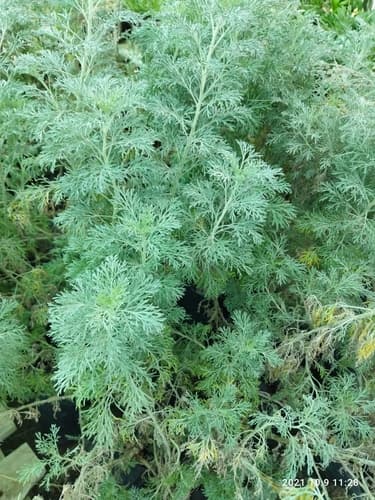
Southernwood is a woody perennial subshrub characterized by its finely divided, feathery, aromatic, grayish-green leaves. It typically grows 2-4 feet tall, forming a bushy habit, and produces small, inconspicuous yellow flowers in late summer, though flowering is rare in cooler climates.