Chili peppers
NameChili peppers
Scientific NameCapsicum annuum
Common NamesChili pepper, Hot pepper, Bell pepper, Paprika
Plant FamilySolanaceae
Natural HabitatNative to the Americas, chili peppers are now cultivated globally in tropical, subtropical, and temperate regions, thriving in warm climates and well-drained soils.
Parts Usedfruit
Medicinal Actionsanalgesic, anti-inflammatory, antioxidant
Traditional UsesTraditionally used topically for pain relief, such as in cases of arthritis, muscle aches, and neuropathic pain, due to its warming and counter-irritant properties. Internally, it has been used to stimulate digestion, improve circulation, and as a diaphoretic for colds and flu.
Active ConstituentsCapsaicinoids, Carotenoids, Flavonoids, Vitamin C
Preparation Methodspowder, tincture, salve, poultice
Contraindications & WarningsCan cause skin irritation, burning sensation, and gastrointestinal upset. Avoid contact with eyes and mucous membranes. Not recommended for use on broken skin or internally in large quantities, especially for individuals with ulcers or inflammatory bowel conditions.
Cultivation NotesRequires full sun, warm temperatures (above 60°F/15°C), and well-drained, fertile soil. Can be grown from seed indoors before transplanting outdoors after the last frost.
Raritycommon
Description
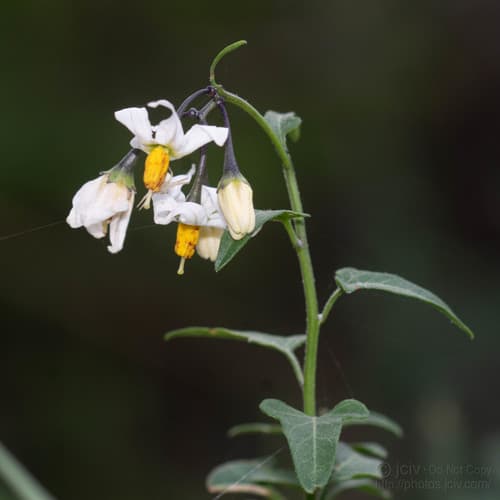
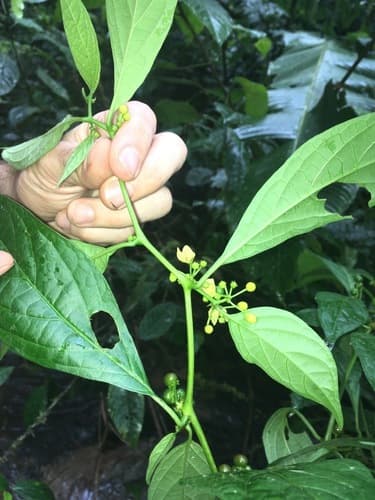
Chili peppers are herbaceous annuals or short-lived perennials, typically characterized by simple, ovate leaves and small, often white or purplish flowers. Their most notable feature is the fruit, a berry of diverse shapes, sizes, and colors, known for its pungency.