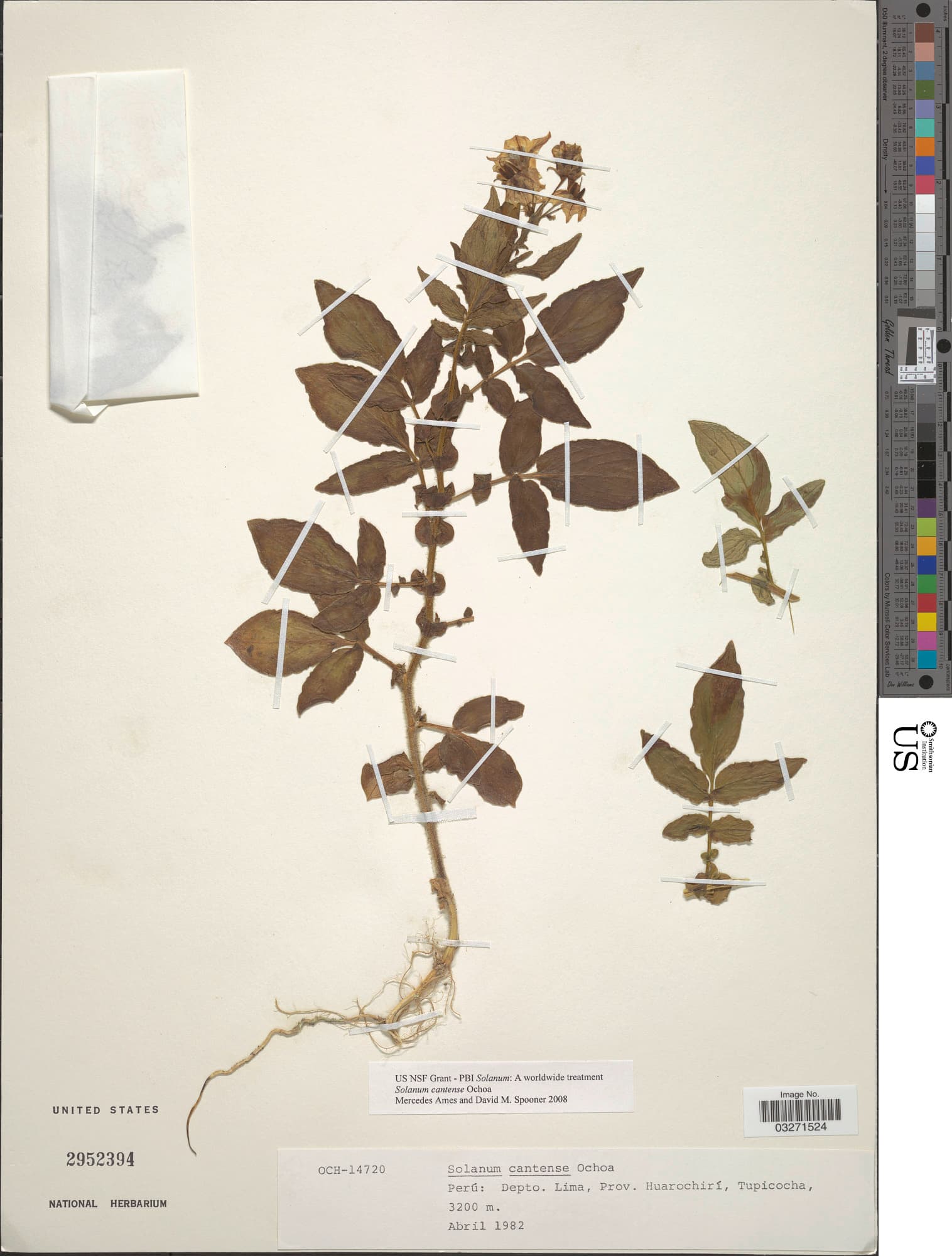
Solanum cantense
Image: Conveyor Belt (cc0)
NameSolanum cantense
Scientific NameSolanum cantense Ochoa
Plant FamilySolanaceae
Natural HabitatNative to the high-altitude Andean regions of Peru, specifically found in areas like Huarochirí, Tupicocha, Department of Lima, at elevations around 3200 meters above sea level. It thrives in mountainous, possibly rocky or well-drained soils.
Parts Usedwhole_plant
Traditional UsesWhile Solanum cantense is a wild potato species important for genetic research due to its disease resistance, there are no widely documented traditional medicinal uses for direct human consumption or application. Many wild Solanum species are considered toxic.
Active Constituentsglycoalkaloids
Contraindications & WarningsDue to the likely presence of glycoalkaloids, direct consumption or medicinal use of Solanum cantense is generally not recommended and could be toxic. This plant is primarily valued for its genetic resources in agriculture, not for direct human use.
Cultivation NotesThis species prefers high-altitude, cool climates with well-drained soil, mimicking its native Andean habitat. It is typically found in mountainous regions and may require specific environmental conditions to thrive, making it challenging for general cultivation outside its natural range.
Rarityuncommon
Description
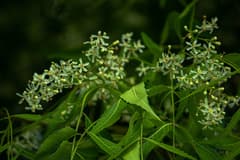
Solanum cantense is a wild herbaceous plant characterized by its compound leaves, often with an ovate to elliptic shape. It produces small flowers and fruits, typical of the Solanum genus, and exhibits a fibrous root system with a somewhat hairy stem. This species is primarily known for its genetic value in potato breeding.