Ipomoea vernalis
Image: Meise Botanic Garden (cc-by)
NameIpomoea vernalis
Scientific NameIpomoea vernalis R.E.Fr.
Common NamesSpring Morning Glory
Plant FamilyConvolvulaceae
Natural HabitatThis species is found in open woodlands, light forests, and disturbed areas such as roadsides or track edges. The specimen was collected in the Shaba region (now Katanga Province) of DR Congo, at an altitude of approximately 1250 meters, often growing in reddish soil.
Parts Usedleaf,root,whole_plant
Medicinal Actionsanti-inflammatory, antimicrobial, antioxidant
Traditional UsesWhile specific traditional medicinal uses for Ipomoea vernalis are not widely documented, other species within the Ipomoea genus are traditionally known for their purgative, anti-inflammatory, and sometimes antimicrobial properties. Some are used for various skin conditions or as general tonics in traditional medicine systems.
Active Constituentsresin glycosides, flavonoids
Preparation Methodsinfusion, decoction, poultice, powder
Contraindications & WarningsDue to the general properties of the Ipomoea genus, which often include purgative effects, caution is advised. Some species can cause gastrointestinal upset. Pregnant or breastfeeding women and individuals with pre-existing gastrointestinal disorders should avoid use.
Cultivation NotesAs a member of the Ipomoea genus, this plant likely thrives in well-drained soil and prefers full sun to partial shade. It is generally a vigorous grower, often found in disturbed habitats, suggesting it is relatively easy to cultivate in suitable warm climates.
Raritycommon
Description
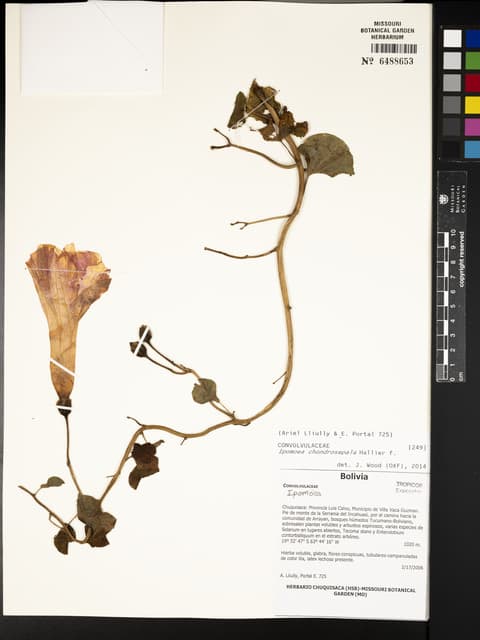
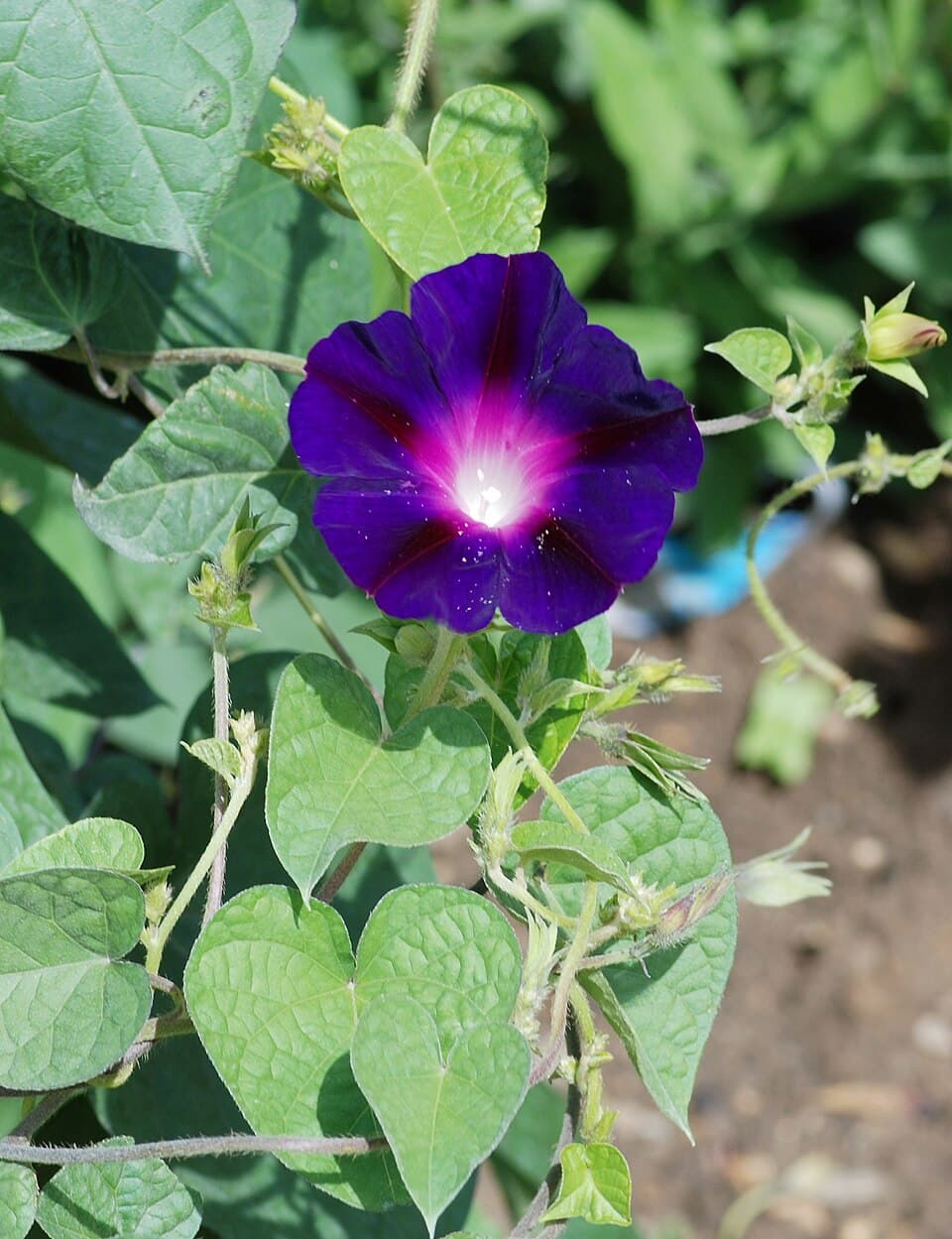
Ipomoea vernalis is a herbaceous climbing or trailing vine, characterized by simple, elongated leaves. It produces distinctive funnel-shaped flowers, typically white with a prominent purple or pink throat, as observed in the specimen photograph.