Cestrum laxum
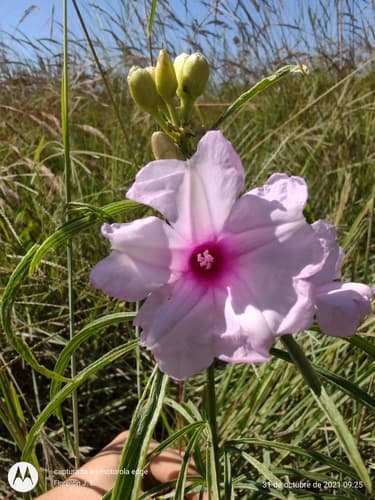
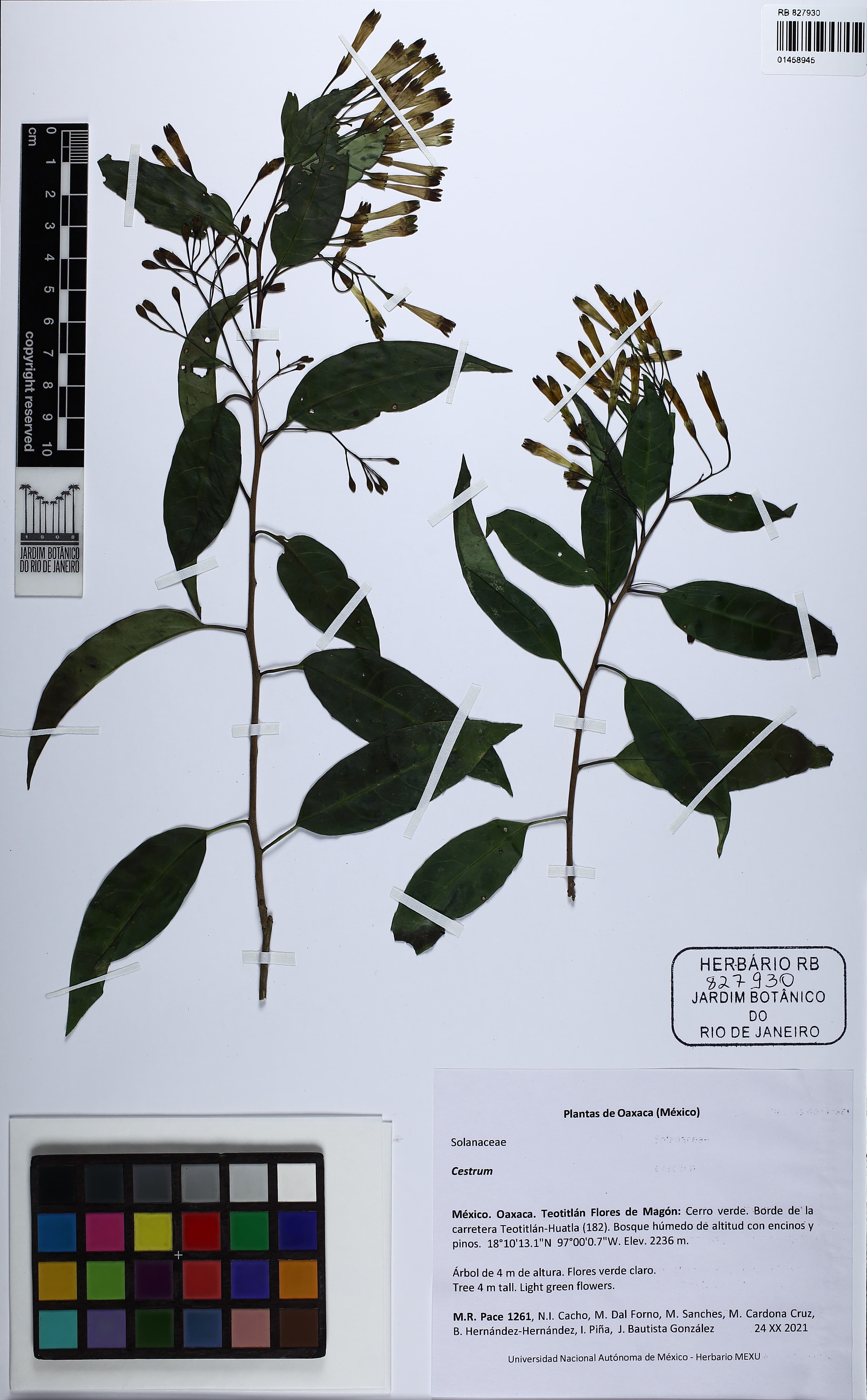
Image: M.R. Pace; N.I. Cacho; M.D. Forno; M. Sanches; M.C. Cruz; B.H. Hernández; I. Piña; J.B. González (cc-by)
NameCestrum laxum
Scientific NameCestrum laxum Benth.
Plant FamilySolanaceae
Natural HabitatNative to Mexico, specifically found in Oaxaca in humid high-altitude forests (around 2236 meters elevation) often associated with oaks and pines, and also along roadsides.
Parts Usedleaf,flower
Traditional UsesNo specific traditional medicinal uses for Cestrum laxum are provided in the available metadata or image. The genus Cestrum is generally known for containing toxic compounds, and specific medicinal applications, if any, would require careful consideration and expert knowledge.
Contraindications & WarningsDue to the general toxicity associated with many species in the Cestrum genus, Cestrum laxum should be handled with extreme caution. Ingestion of any part of the plant is generally advised against without expert guidance, as it may contain steroidal saponins, alkaloids, and glycosides that can be harmful.
Cultivation NotesThis species thrives in humid, high-altitude forest environments, suggesting a preference for moist conditions and potentially cooler temperatures. It grows as a tree, reaching up to 4 meters in height.
Rarityuncommon
Description
Cestrum laxum is a woody plant, typically growing as a tree up to 4 meters tall. It features simple, entire, dark green leaves arranged alternately along its slender stems, and bears clusters of tubular, light green flowers.