Peppermint
NamePeppermint
Scientific NameMentha x piperita
Common NamesPeppermint, Mint
Plant FamilyLamiaceae
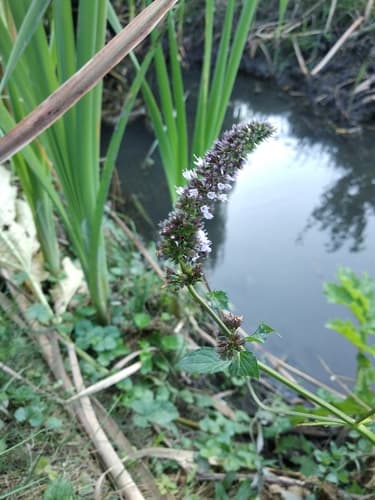
Natural HabitatPeppermint thrives in moist, well-drained soils, often found in temperate regions near streams, ditches, and wet meadows. It prefers partial shade to full sun and can be found naturalized in many parts of the world.
Parts Usedleaf,flower,whole_plant
Medicinal Actionsanalgesic, anti-inflammatory, antimicrobial, antioxidant, carminative, nervine
Traditional UsesTraditionally, peppermint has been widely used to relieve digestive issues such as indigestion, bloating, flatulence, and to soothe nausea. It is also employed for headaches, muscle aches, and as a decongestant for colds and flu due to its menthol content, and can help calm nervous tension.
Active ConstituentsMenthol, Menthone, Menthofuran, Cineole, Limonene, Pulegone
Preparation Methodsinfusion, decoction, tincture, essential oil, powder, salve
Contraindications & WarningsAvoid in cases of severe gastroesophageal reflux disease (GERD) as it can relax the lower esophageal sphincter. Use peppermint essential oil with caution, especially in infants and young children, due to potential respiratory issues. It may interact with certain medications, including antacids and cyclosporine.
Cultivation NotesPeppermint is easy to grow and spreads vigorously via rhizomes, often requiring containment to prevent it from overtaking other plants. It prefers rich, moist soil and can tolerate both full sun and partial shade. Regular watering and harvesting encourage bushier growth and higher essential oil content.
Raritycommon
Description
Peppermint is a perennial herbaceous plant characterized by its square stems, opposite, dark green, serrated leaves, and terminal spikes of small, purplish-white flowers. It is a natural hybrid of watermint (*Mentha aquatica*) and spearmint (*Mentha spicata*). The plant is highly aromatic, especially when its leaves are crushed.