Solanum bulbocastanum
NameSolanum bulbocastanum
Scientific NameSolanum bulbocastanum
Common NamesWild Potato Species, Bulbocastanum Potato
Plant FamilySolanaceae
Natural HabitatNative to Mexico, it typically grows in disturbed areas, fields, roadsides, and open woodlands at various elevations, often thriving in sunny locations with well-drained soil.
Parts Usedwhole_plant
Medicinal Actionsantioxidant, antimicrobial
Traditional UsesSolanum bulbocastanum is not traditionally used as a medicinal plant for humans due to its high toxicity. Its primary significance lies in its genetic resistance to late blight (*Phytophthora infestans*), making it a valuable resource in potato breeding programs for developing disease-resistant cultivated potato varieties.
Active ConstituentsGlycoalkaloids (e.g., solanine, chaconine), Steroidal alkaloids
Contraindications & WarningsEXTREMELY TOXIC. Solanum bulbocastanum contains high levels of glycoalkaloids throughout the plant, which can cause severe gastrointestinal distress, neurological symptoms, and even death if ingested. It is not safe for human consumption or medicinal use.
Cultivation NotesPrefers well-drained soil and full sun. Can be grown from seed or tubers. Primarily cultivated for research purposes in controlled environments due to its genetic value in agricultural science, rather than for direct human use.
Rarityuncommon
Description
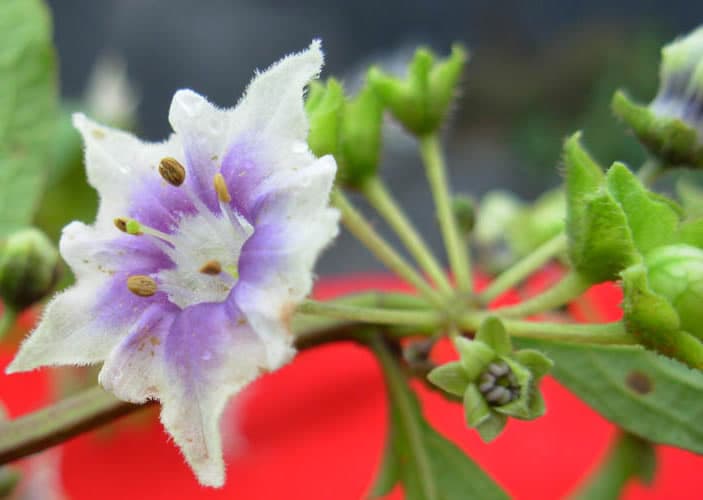
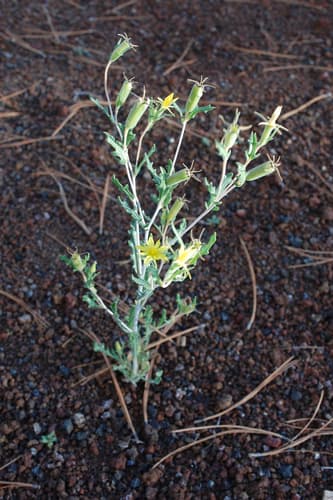
Solanum bulbocastanum is a wild potato species characterized by its hairy stems and leaves, and clusters of pale yellow, star-shaped flowers with prominent yellow anthers. It produces small, green berries after flowering, which are also toxic.