Fo-Ti (He Shou Wu)
NameFo-Ti (He Shou Wu)
Scientific NameReynoutria multiflora
Common NamesFo-Ti, He Shou Wu, Tuber Fleeceflower, Chinese Knotweed
Plant FamilyPolygonaceae
Natural HabitatNative to central and southern China, Fo-Ti thrives in thickets, on slopes, and along roadsides. It prefers well-drained, fertile soil and can grow in full sun to partial shade.
Parts Usedroot,leaf
Medicinal Actionsadaptogen, anti-inflammatory, antioxidant
Traditional UsesIn Traditional Chinese Medicine, Fo-Ti (He Shou Wu) is revered as a longevity tonic, believed to restore hair color, support liver and kidney function, strengthen bones and muscles, and enhance fertility. It is also traditionally used for conditions such as insomnia, constipation, and hyperlipidemia.
Active ConstituentsAnthraquinones (e.g., emodin, physcion), Stilbene glycosides (e.g., 2,3,5,4'-tetrahydroxystilbene-2-O-beta-D-glucopyranoside), Phospholipids, Flavonoids
Preparation Methodsdecoction, infusion, tincture, powder
Contraindications & WarningsUnprocessed Fo-Ti can cause diarrhea due to its laxative anthraquinones. It is contraindicated in cases of spleen deficiency with loose stools and should be used with caution in individuals with liver disease or hormone-sensitive conditions. May interact with laxatives, diuretics, and certain medications.
Cultivation NotesFo-Ti prefers well-drained, fertile soil and can tolerate a range of light conditions from full sun to partial shade. It can be propagated from seeds or root cuttings and requires a trellis or support due to its climbing nature. Consistent moisture is beneficial for optimal growth.
Raritycommon
Description
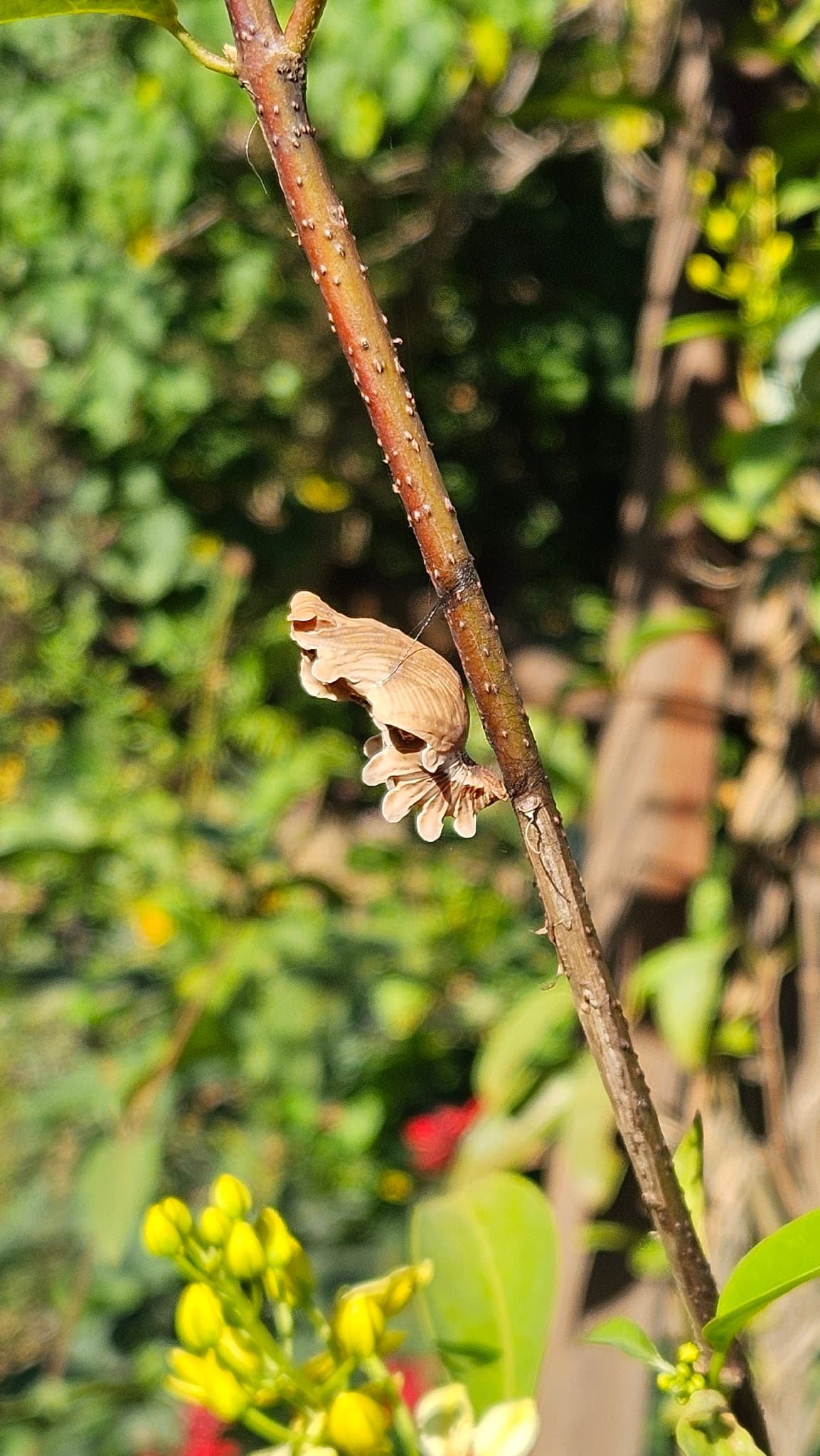
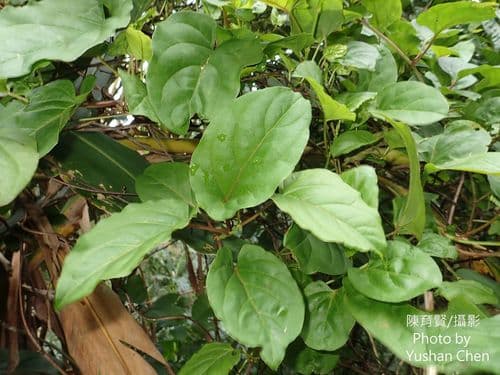
Fo-Ti is a perennial climbing vine characterized by reddish stems and heart-shaped to ovate green leaves. It is most renowned for its tuberous roots, which are the primary medicinal part. The plant produces small, inconspicuous white or pinkish flowers in late summer to fall.