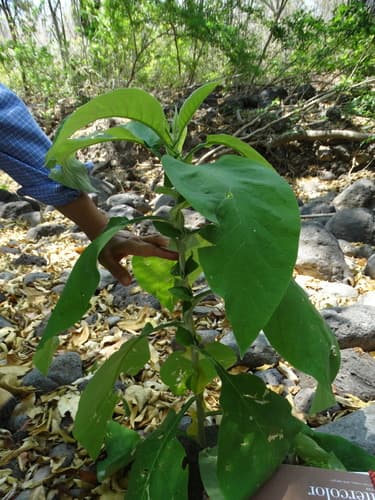
Solanum axillifolium
NameSolanum axillifolium
Scientific NameSolanum axillifolium
Plant FamilySolanaceae
Natural HabitatNative to parts of Central and South America, it is often found in disturbed areas, forest edges, open woodlands, and along riverbanks or rocky slopes, thriving in tropical to subtropical climates.
Parts Usedleaf,fruit
Traditional UsesSpecific traditional medicinal uses for Solanum axillifolium are not widely documented in available ethnobotanical literature. Many species within the Solanum genus are known for containing toxic steroidal glycoalkaloids, and their use requires extreme caution or is generally avoided due to potential adverse effects.
Active ConstituentsSteroidal glycoalkaloids (e.g., solanine, solamargine, solasonine)
Contraindications & WarningsDue to the likely presence of toxic steroidal glycoalkaloids, common in the Solanum genus, Solanum axillifolium should be considered potentially poisonous if ingested. Internal use is strongly contraindicated. Pregnant or breastfeeding individuals, children, and those with pre-existing liver or kidney conditions should avoid any contact or ingestion. Always consult a qualified expert before considering any use of Solanum species.
Cultivation NotesThis species typically thrives in tropical to subtropical climates, preferring full sun to partial shade and well-drained soils. It can often be found in disturbed habitats, forest margins, and open areas.
Rarityuncommon
Description
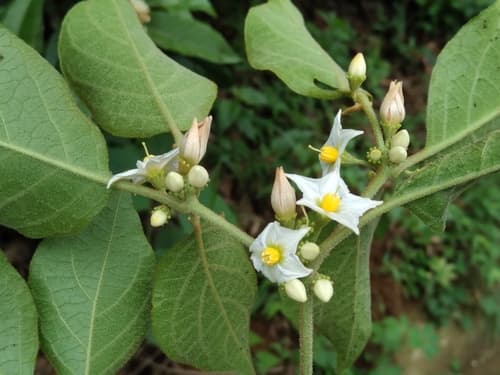
Solanum axillifolium is an herbaceous plant or small shrub characterized by its large, simple, ovate leaves with entire or slightly undulate margins. It typically features a robust, green stem and grows upright, often reaching several feet in height.