Convolvulus longipedicellatus
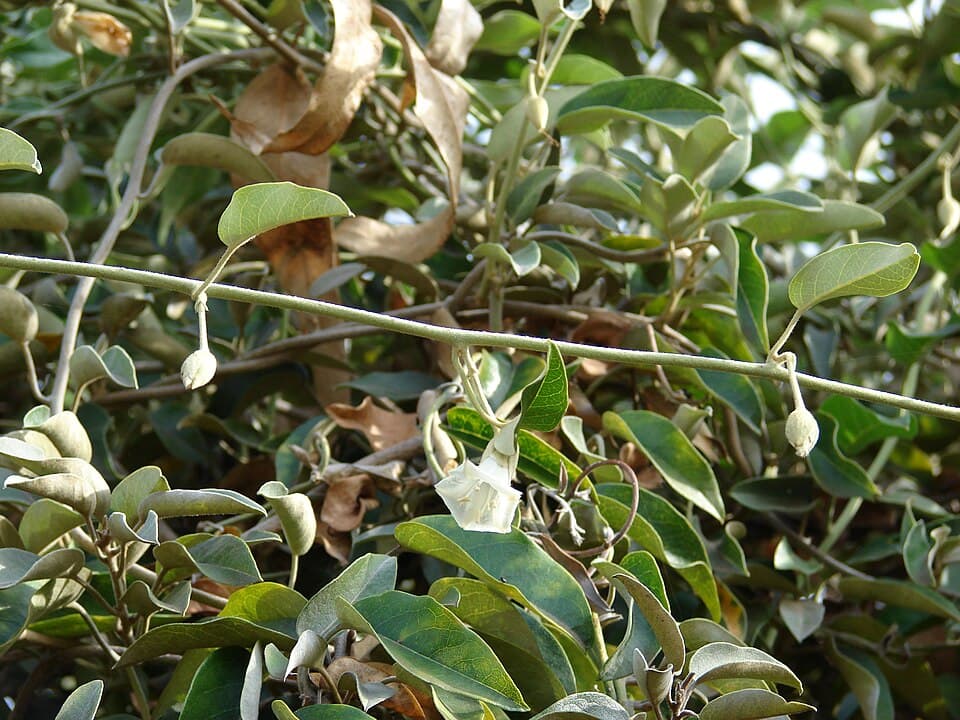
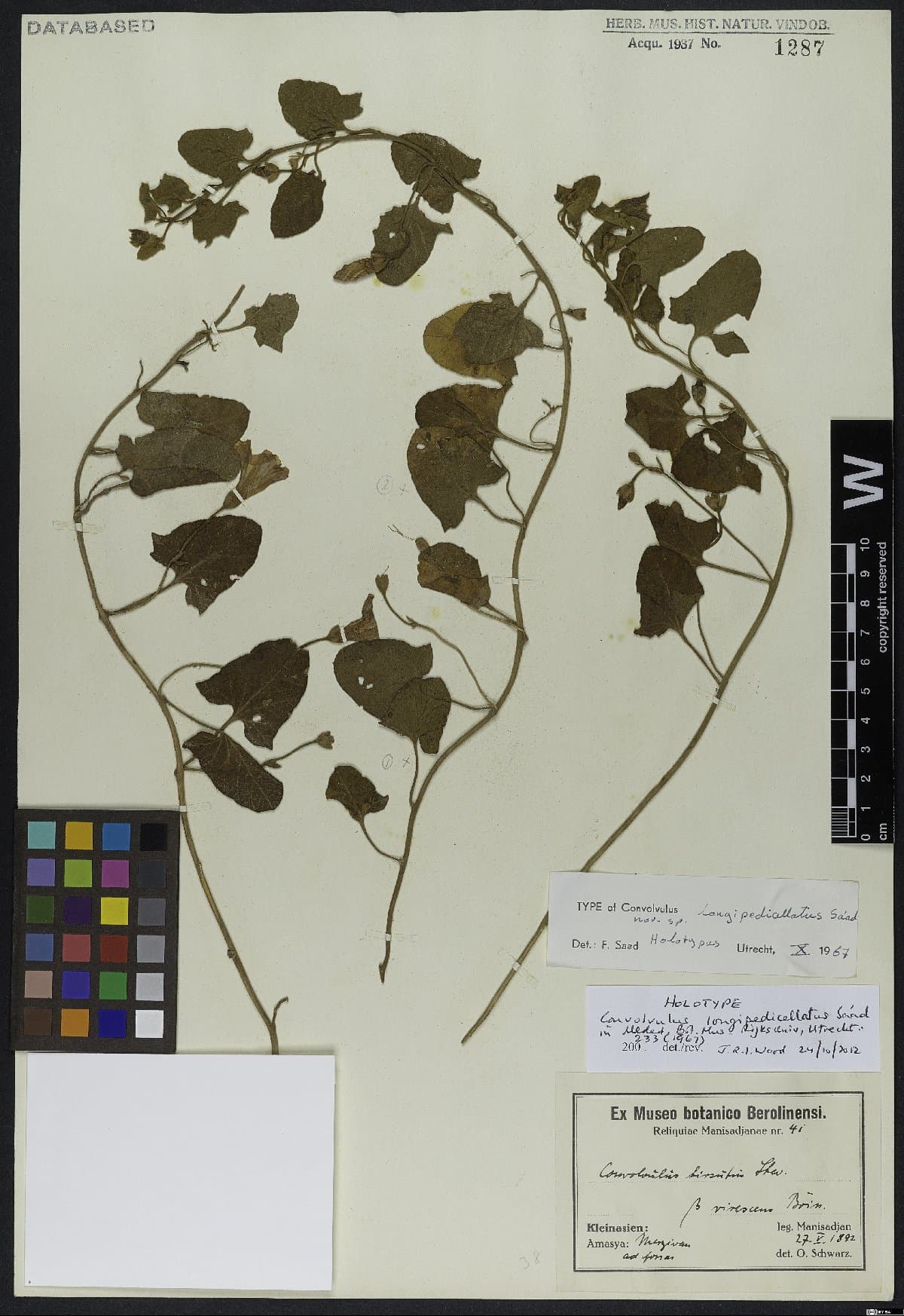
Image: Manisadjan Reliquiae Manisadjanae 41 (cc-by)
NameConvolvulus longipedicellatus
Scientific NameConvolvulus longipedicellatus
Common NamesBindweed
Plant FamilyConvolvulaceae
Natural HabitatNative to regions of Western Asia, particularly Anatolia (Asia Minor), thriving in dry, open, and often disturbed habitats. It is adapted to Mediterranean-type climates, often found in fields, roadsides, and scrublands.
Parts Usedwhole_plant,root,leaf
Medicinal Actionsdiuretic, anti-inflammatory
Traditional UsesHistorically, various species within the Convolvulus genus have been employed as strong purgatives or laxatives, though this specific action is not listed in the allowed categories. Some traditional applications also include external use for skin conditions and wound healing, leveraging potential anti-inflammatory or astringent properties, and some species have been used as diuretics.
Active ConstituentsResin glycosides, Flavonoids, Phenolic compounds
Preparation Methodsdecoction, powder, poultice
Contraindications & WarningsDue to potential strong purgative effects common in the genus, it is generally contraindicated in pregnancy, breastfeeding, intestinal obstruction, and inflammatory bowel diseases. May interfere with the absorption of other medications if taken internally.
Cultivation NotesMany Convolvulus species are vigorous, sprawling plants that prefer full sun and well-drained to dry soils. They can be quite hardy and are often considered weeds in cultivated areas due to their rapid growth and ability to twine around other plants.
Rarityuncommon
Description
A herbaceous perennial vine characterized by slender, sprawling stems and alternate, petiolate leaves that are typically cordate to sagittate in shape. The plant produces small, funnel-shaped flowers, though these are often delicate and may not be prominently displayed on dried specimens. It is a member of the morning glory family.