Tansy
Image: Aleksandr V. Lebedev (cc-by-nc)
NameTansy
Scientific NameTanacetum vulgare
Common NamesTansy, Common Tansy, Golden Buttons, Bitter Buttons
Plant FamilyAsteraceae
Natural HabitatNative to temperate regions of Eurasia, Tansy is now widely naturalized across North America. It commonly thrives in disturbed areas such as roadsides, fields, waste grounds, and along riverbanks, preferring full sun and well-drained soil.
Parts Usedleaf,flower,whole_plant
Medicinal Actionsantimicrobial, anti-inflammatory
Traditional UsesHistorically, Tansy was primarily used as an anthelmintic to expel intestinal worms and as an emmenagogue to stimulate menstruation. It was also widely employed as an insect repellent and for external applications like poultices for sprains and bruises. Due to its high toxicity, internal use is largely abandoned in modern herbalism.
Active Constituentsthujone, camphor, borneol, flavonoids
Preparation Methodsinfusion, tincture, poultice, essential oil, powder, salve
Contraindications & WarningsTansy is highly toxic due to its thujone content and should not be taken internally. It is strictly contraindicated in pregnancy, breastfeeding, and for individuals with liver or kidney disease, epilepsy, or high blood pressure. Ingestion can cause convulsions, vomiting, liver damage, and even death.
Cultivation NotesTansy is an easy-to-grow perennial that prefers full sun and well-drained soil. It is drought-tolerant and can become invasive if not managed, spreading readily by rhizomes and seeds. It is often cultivated for its ornamental value or as a companion plant for pest control.
Raritycommon
Description
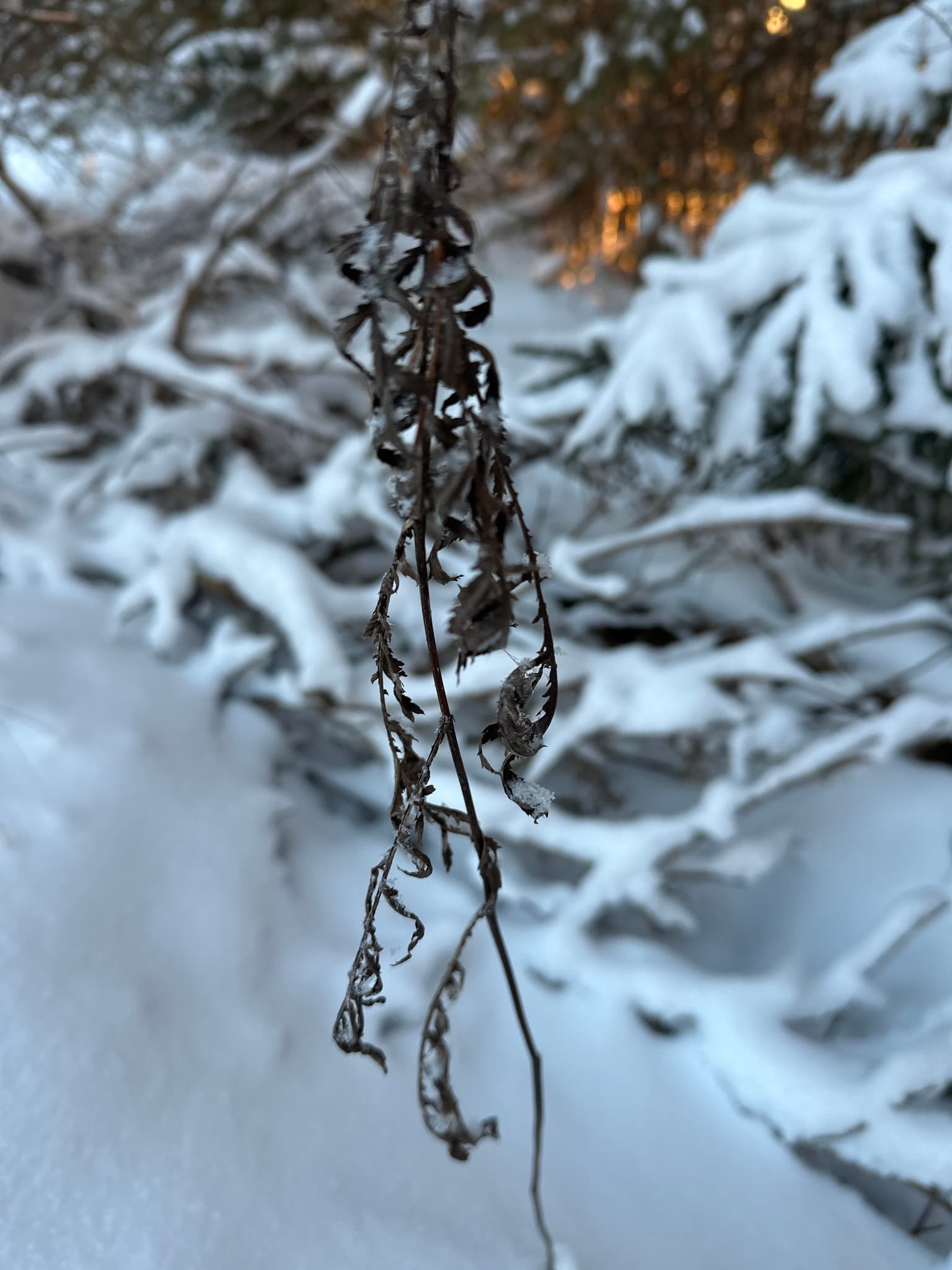
Tansy is a perennial herbaceous plant characterized by its deeply divided, fern-like leaves and clusters of bright yellow, button-like flower heads. It typically grows to 2-4 feet tall and emits a strong, camphor-like aroma when crushed.