Solanum atitlanum
NameSolanum atitlanum
Scientific NameSolanum atitlanum
Common NamesAtitlán Nightshade
Plant FamilySolanaceae
Natural HabitatNative to the cloud forests and disturbed areas of Guatemala, particularly endemic to regions around Lake Atitlán. It typically thrives at elevations between 1500 and 2500 meters.
Parts Usedleaf
Medicinal Actionsanti-inflammatory, analgesic
Traditional UsesSpecific traditional medicinal uses for Solanum atitlanum are not widely documented in ethnobotanical literature. Like many species within the Solanum genus, it is generally presumed to be toxic due to its alkaloid content, and internal use is strongly discouraged. Any potential traditional applications would likely be external and highly localized, used with extreme caution due to its potent chemistry.
Active Constituentssteroidal glycoalkaloids
Preparation Methodspoultice
Contraindications & WarningsAll parts of Solanum atitlanum are presumed toxic due to the presence of steroidal glycoalkaloids. Ingestion can cause severe gastrointestinal upset, neurological symptoms, and other adverse effects. It is not recommended for internal use. Avoid contact with broken skin. Pregnant and breastfeeding women should avoid this plant entirely.
Cultivation NotesPrefers subtropical to tropical climates with moderate humidity and well-drained soil. It can be propagated from seed and thrives in conditions ranging from partial shade to full sun.
Rarityuncommon
Description
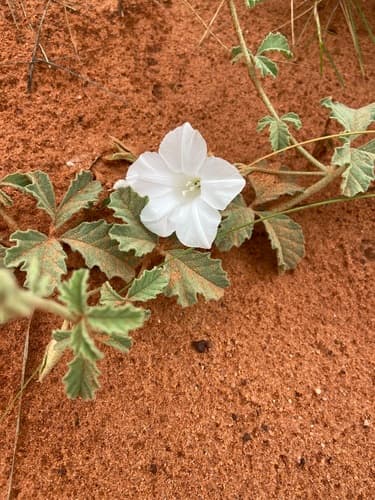
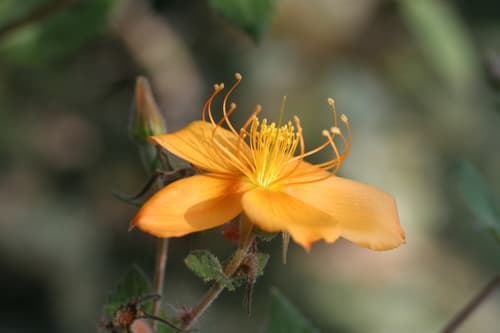
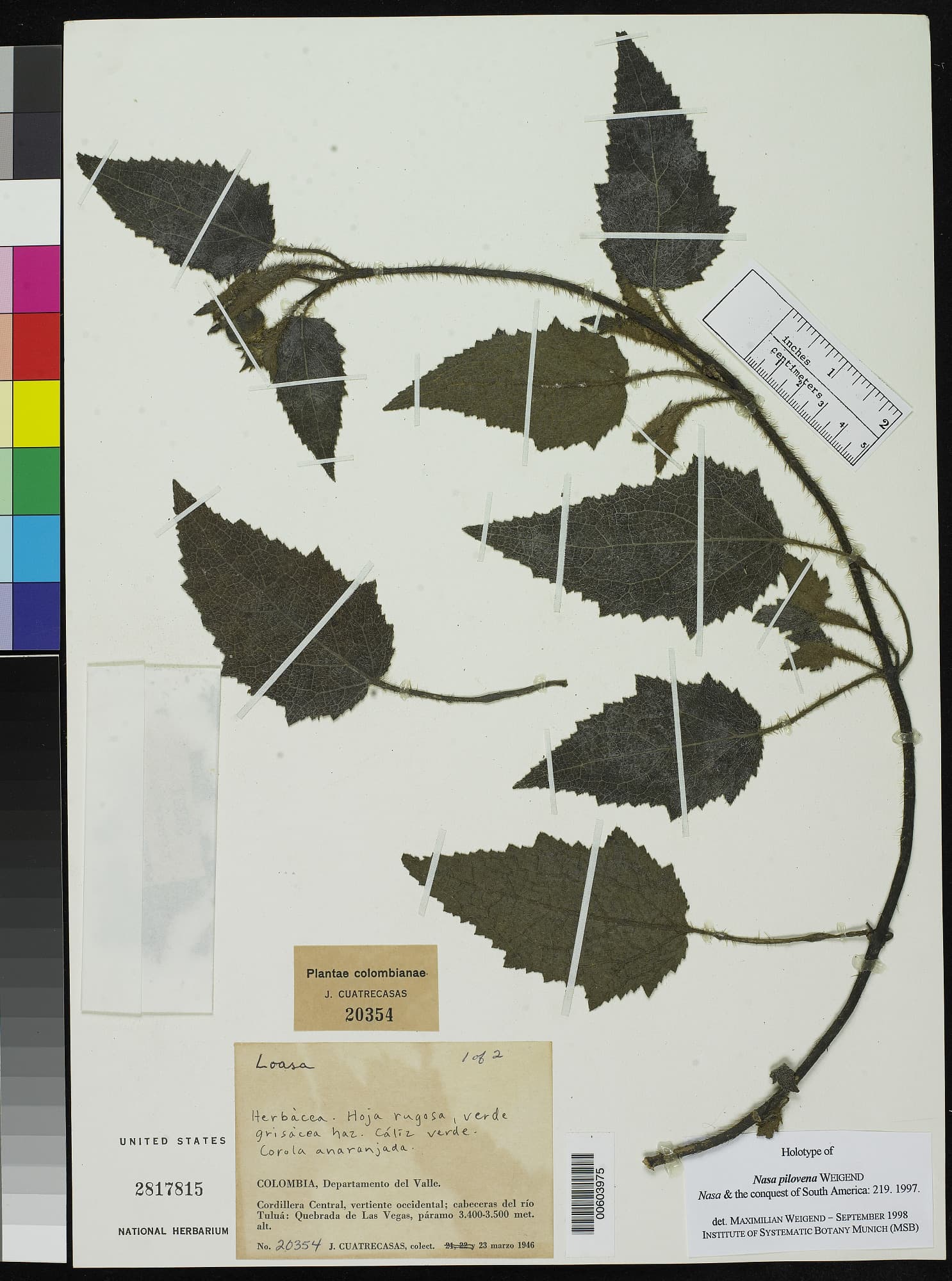
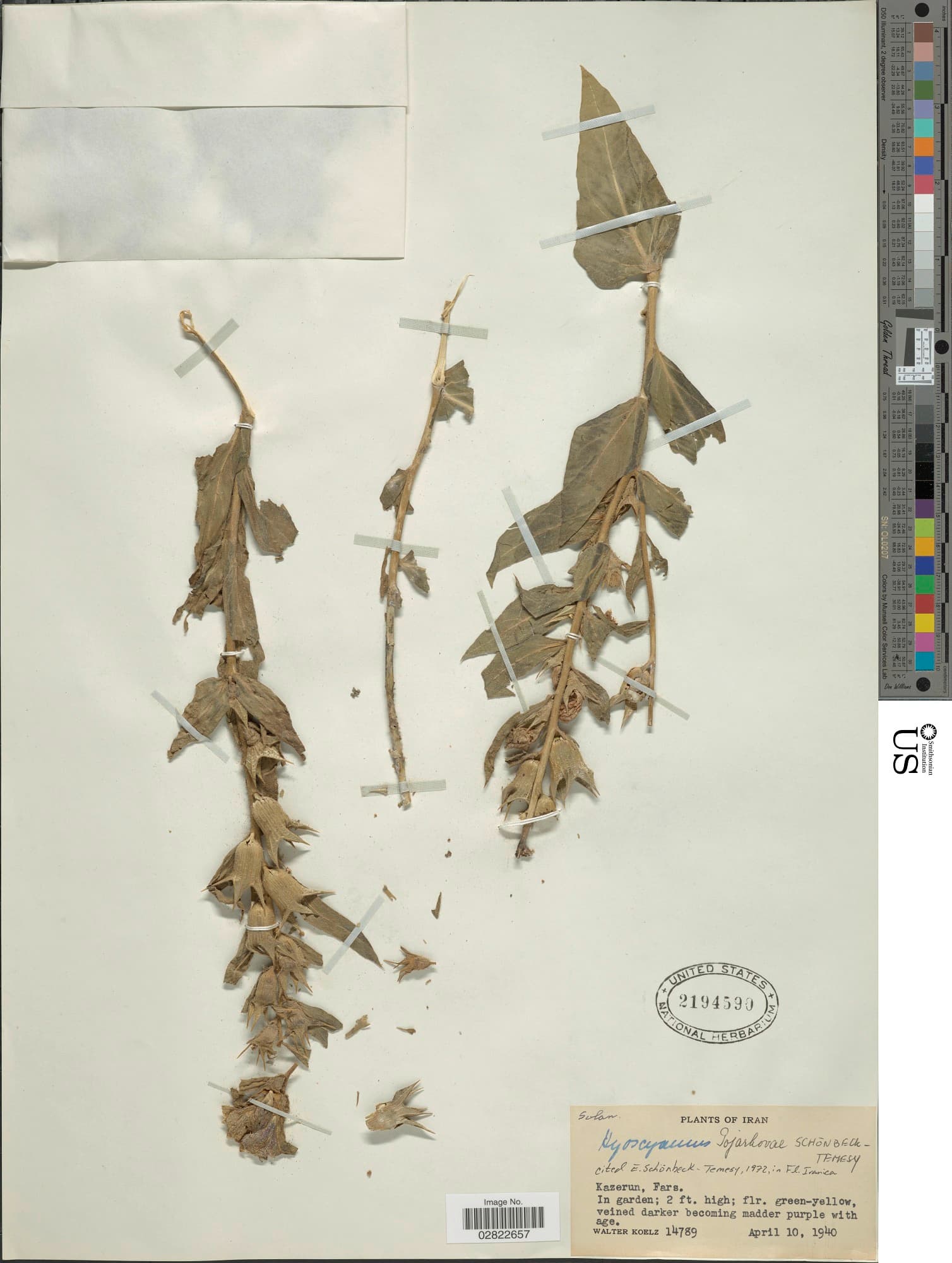
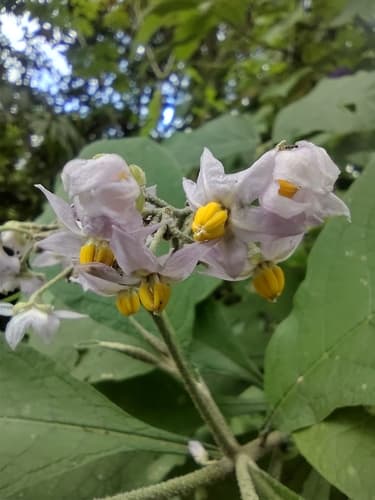
This species is a shrub or small tree within the nightshade family, characterized by its pale lavender to white star-shaped flowers. The flowers feature prominent yellow anthers clustered in the center, and the plant bears simple, often hairy leaves.