Texas Bindweed
NameTexas Bindweed
Scientific NameConvolvulus equitans
Common NamesTexas Bindweed, Ponyfoot Bindweed, Trailing Bindweed
Plant FamilyConvolvulaceae
Natural HabitatNative to the south-central United States and northern Mexico, commonly found in prairies, pastures, roadsides, and disturbed areas. It thrives in dry, open, sunny locations and is often considered a weed.
Parts Usedwhole_plant
Medicinal Actionsdiuretic, astringent
Traditional UsesWhile specific traditional medicinal uses for *Convolvulus equitans* are not well-documented and the plant is generally considered potentially toxic, some species within the *Convolvulus* genus have historically been used as strong purgatives and diuretics, and externally for wound healing (astringent properties).
Active ConstituentsResin glycosides, Alkaloids
Preparation Methodsdecoction, poultice
Contraindications & WarningsAll parts of Texas bindweed are considered potentially toxic, especially when ingested. It contains resin glycosides that can cause severe gastrointestinal upset, including vomiting, diarrhea, and abdominal pain. Internal use is not recommended due to toxicity. Avoid during pregnancy and lactation.
Cultivation NotesTexas bindweed is a vigorous perennial weed that spreads aggressively via rhizomes and seeds. It is drought-tolerant and thrives in poor, disturbed soils, making it difficult to eradicate once established.
Raritycommon
Description
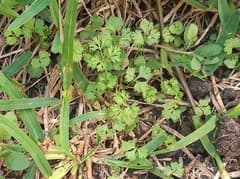
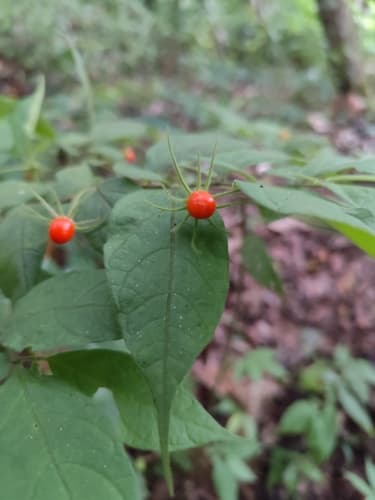
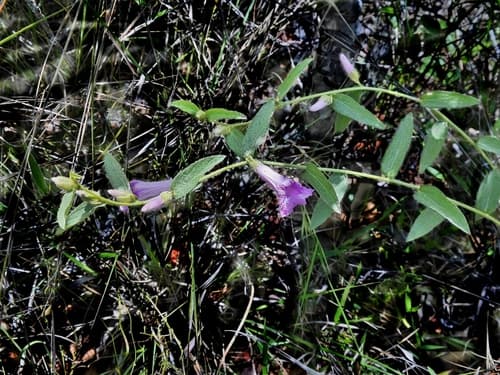
A perennial herbaceous vine characterized by its trailing or twining growth habit. It produces distinctive white, funnel-shaped flowers with a deep reddish-purple throat, and its leaves are typically linear to lanceolate, often with basal lobes.