Solanum anisophyllum
NameSolanum anisophyllum
Scientific NameSolanum anisophyllum
Common NamesAndean Nightshade
Plant FamilySolanaceae
Natural HabitatNative to the understory of tropical and subtropical montane forests in South America, particularly in regions like Peru and Bolivia. It thrives in moist, shaded environments with rich organic soil.
Parts Usedleaf,whole_plant
Medicinal Actionsanti-inflammatory, analgesic, antimicrobial, antioxidant
Traditional UsesTraditionally, various Solanum species, including those related to S. anisophyllum, have been used by indigenous communities for their anti-inflammatory and pain-relieving properties. Preparations are often applied topically for skin ailments or internally for fevers and general discomfort, though caution is always advised due to potential toxicity.
Active ConstituentsSteroidal glycoalkaloids, Flavonoids, Saponins
Preparation Methodsinfusion, poultice, decoction
Contraindications & WarningsAll parts of Solanum anisophyllum, like many Solanum species, may contain toxic steroidal glycoalkaloids, especially when unripe or in high doses. Ingestion can cause gastrointestinal upset, neurological symptoms, and can be dangerous. It is contraindicated for pregnant or nursing women, children, and individuals with liver or kidney conditions.
Cultivation NotesThis plant prefers a warm, humid climate with consistent moisture and partial to full shade, mimicking its native forest understory habitat. It requires well-drained, rich organic soil.
Rarityuncommon
Description
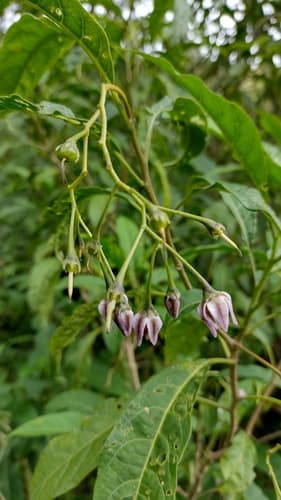
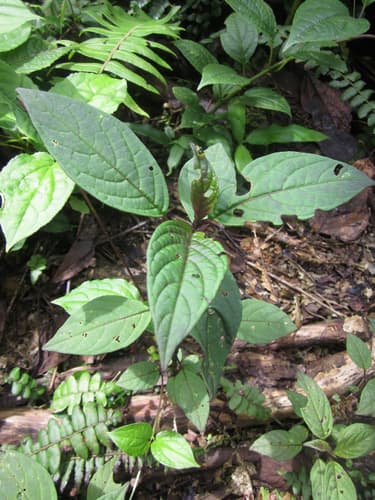
Solanum anisophyllum is a herbaceous perennial plant characterized by its simple, alternate, ovate to lanceolate leaves with distinct venation. It typically grows as an understory plant, often reaching a modest height.