rough-leaved hydrangea
Namerough-leaved hydrangea
Scientific NameHydrangea aspera
Common NamesRough-leaved Hydrangea, Aspara Hydrangea, Velvet Hydrangea
Plant FamilyHydrangeaceae
Natural HabitatNative to the Himalayas, across China, and Southeast Asia, typically found in woodlands, forest margins, and moist, shaded slopes. It thrives in well-drained, humus-rich soil.
Parts Usedroot,leaf
Medicinal Actionsdiuretic, anti-inflammatory
Traditional UsesTraditionally, species of Hydrangea, particularly the root, have been used for urinary tract issues, kidney and bladder stones, and prostate problems. It is believed to act as a lithotriptic, helping to dissolve or prevent the formation of urinary calculi.
Active ConstituentsHydrangin, saponins, flavonoids, cyanogenic glycosides
Preparation Methodsdecoction, infusion, tincture
Contraindications & WarningsPregnant or breastfeeding women should avoid use. Individuals with kidney disease or taking diuretics should consult a healthcare professional. All parts of the plant contain cyanogenic glycosides, which can be toxic if ingested in large quantities.
Cultivation NotesPrefers partial shade to full shade, moist but well-drained, acidic to neutral soil. Protect from strong winds and late frosts. Requires consistent moisture, especially during dry periods.
Rarityuncommon
Description
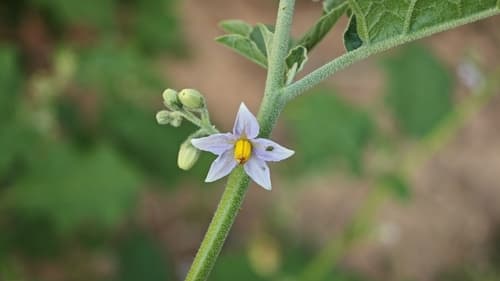
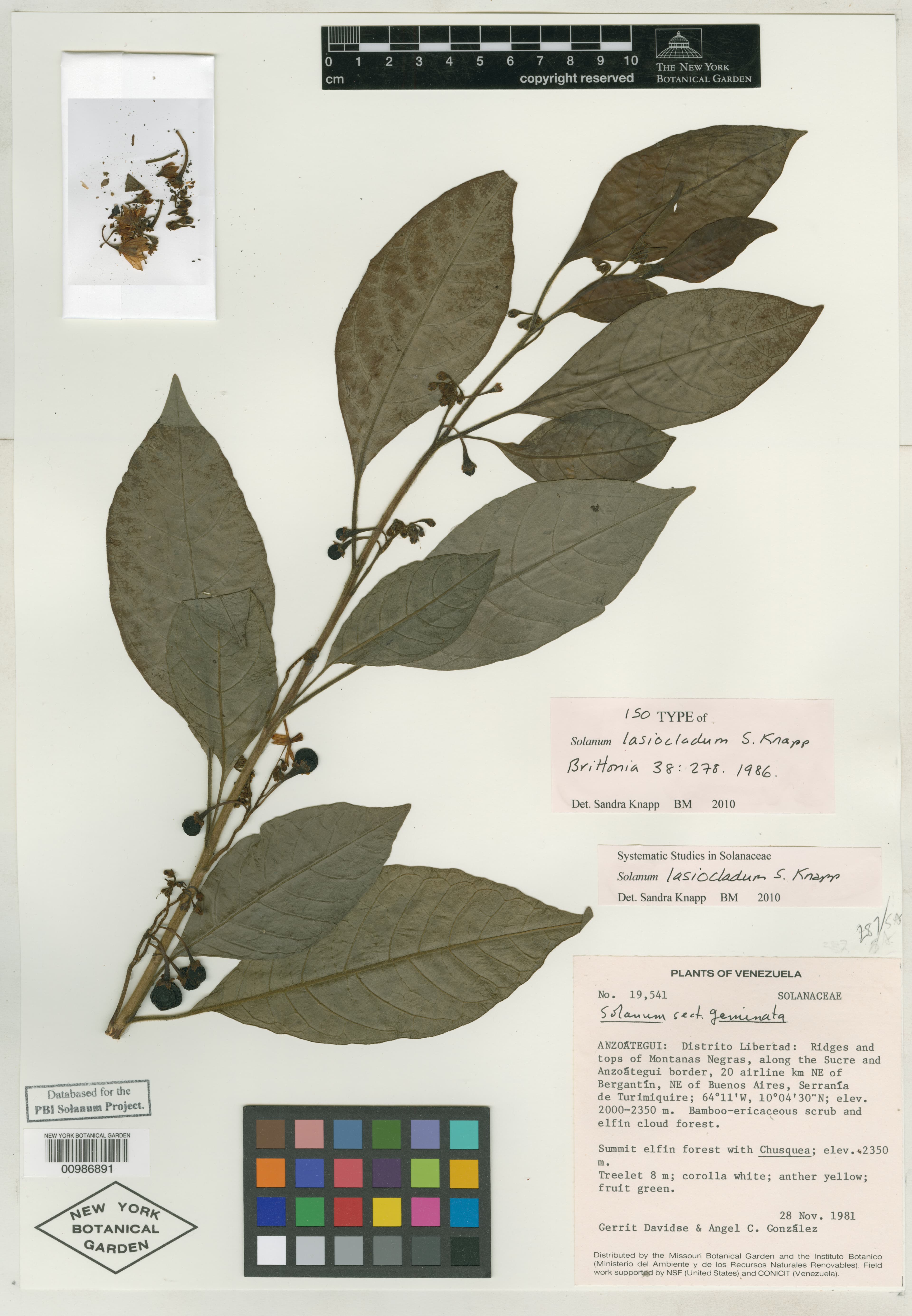
A deciduous shrub characterized by large, ovate leaves with a distinctive rough or velvety texture. It produces large, flattened lacecap inflorescences featuring small, fertile purple or blue flowers in the center, surrounded by larger, showy white or pink sterile florets.