Solanum confusum
NameSolanum confusum
Scientific NameSolanum confusum
Common NamesConfused Nightshade
Plant FamilySolanaceae
Natural HabitatNative to tropical and subtropical regions of South America, particularly Brazil, where it can be found in forest edges, disturbed areas, and open woodlands.
Parts Usedleaf,fruit
Medicinal Actionsanti-inflammatory, antimicrobial, analgesic
Traditional UsesTraditional medicinal uses for Solanum confusum are not widely documented. However, other species within the Solanum genus are traditionally used in folk medicine, often externally, for conditions requiring anti-inflammatory, antimicrobial, or pain-relieving effects, such as skin ailments or localized pain. Due to potential toxicity, internal use is rare and requires extreme caution.
Active Constituentssteroidal glycoalkaloids, flavonoids, saponins
Preparation Methodspoultice, decoction
Contraindications & WarningsAll parts of Solanum confusum, like many Solanum species, contain toxic steroidal glycoalkaloids. Ingestion can cause severe gastrointestinal upset, neurological symptoms, and cardiac issues. It is not recommended for internal use without expert supervision and should be avoided by pregnant or nursing women, children, and individuals with liver or kidney conditions.
Cultivation NotesThis plant thrives in warm, tropical to subtropical climates with well-drained soil and prefers full sun to partial shade. Propagation is typically achieved through seeds.
Raritycommon
Description
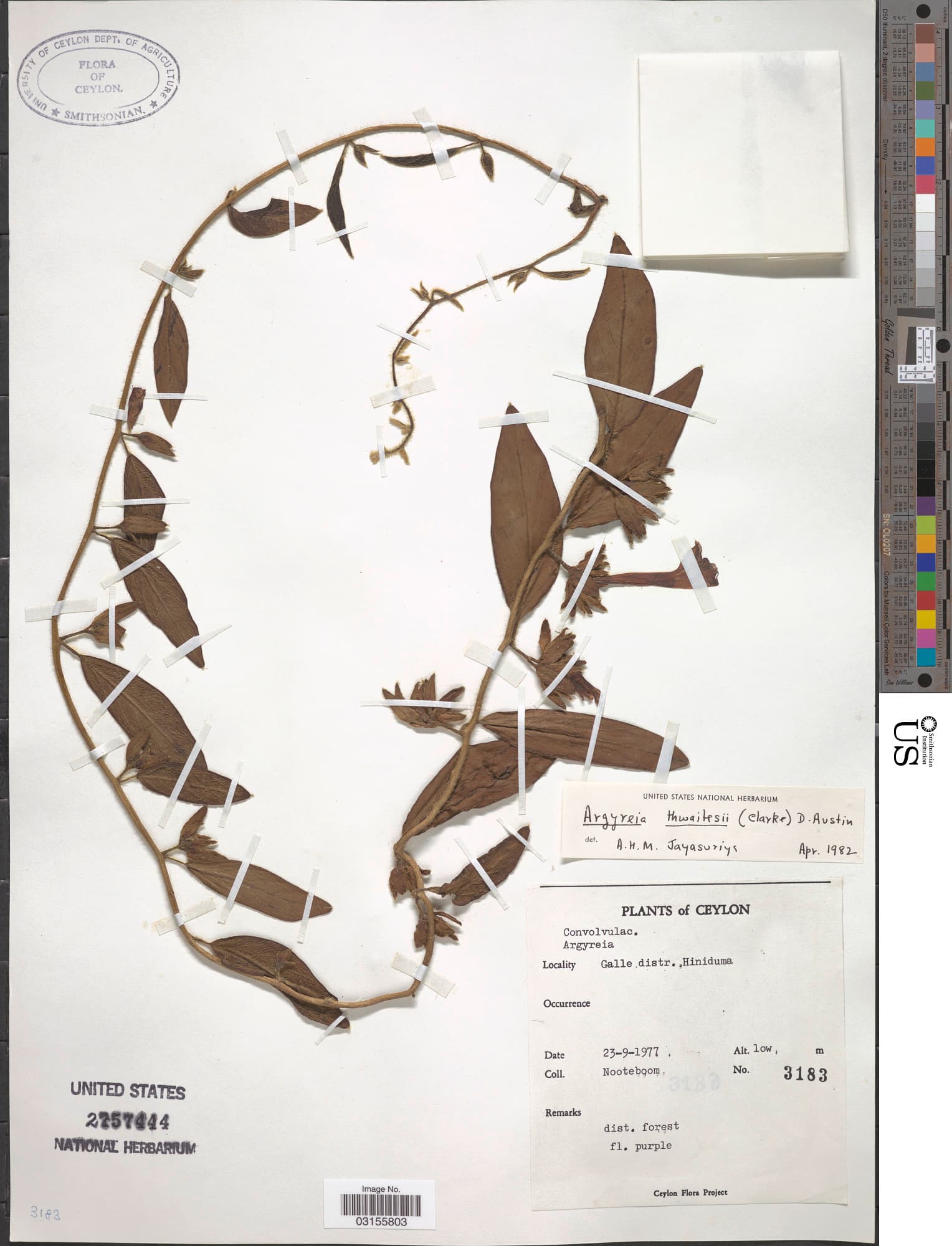
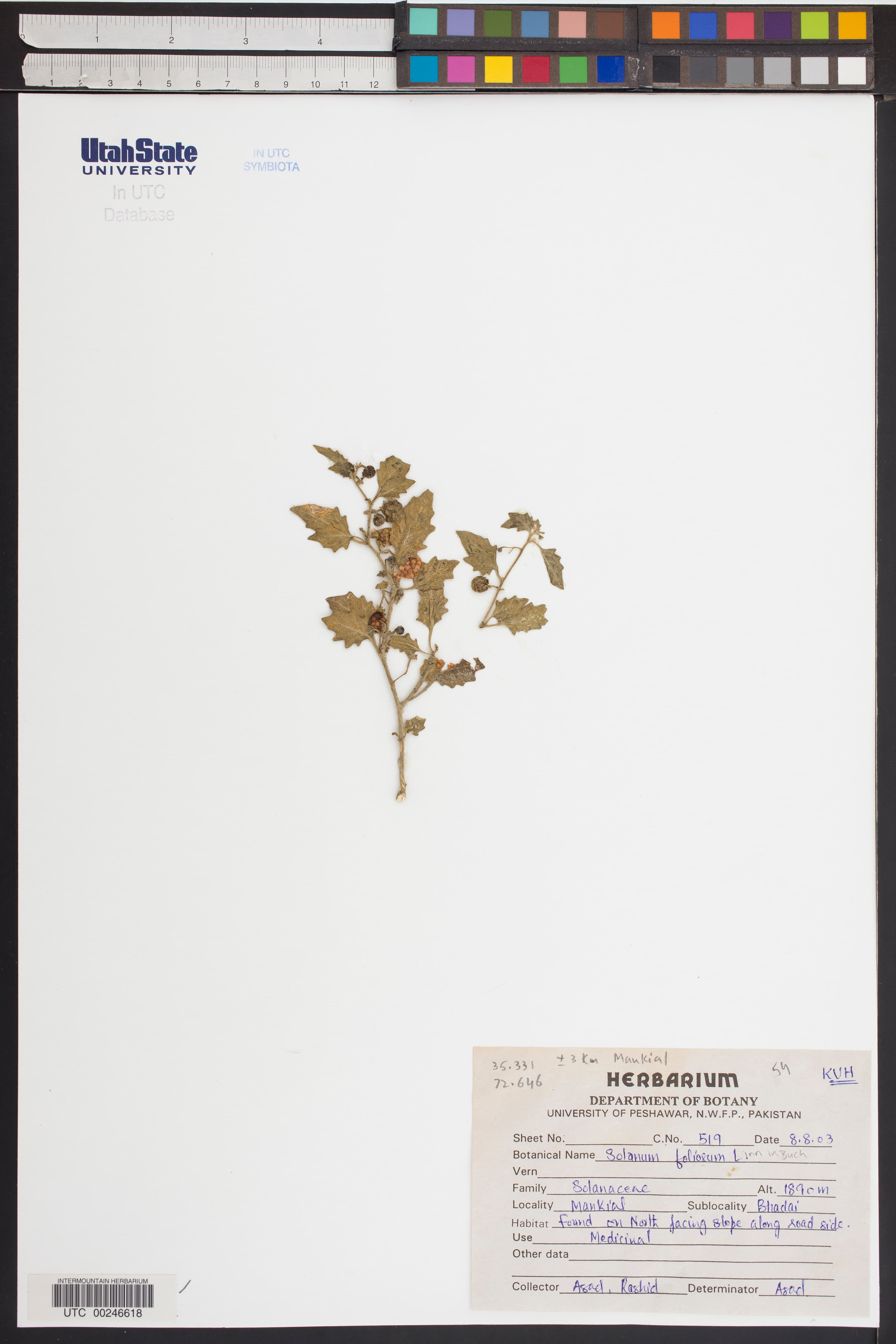
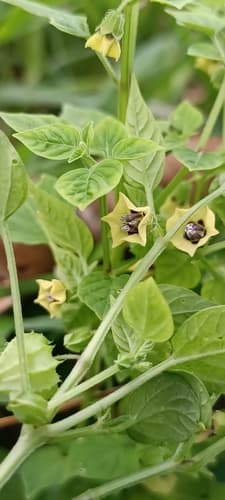
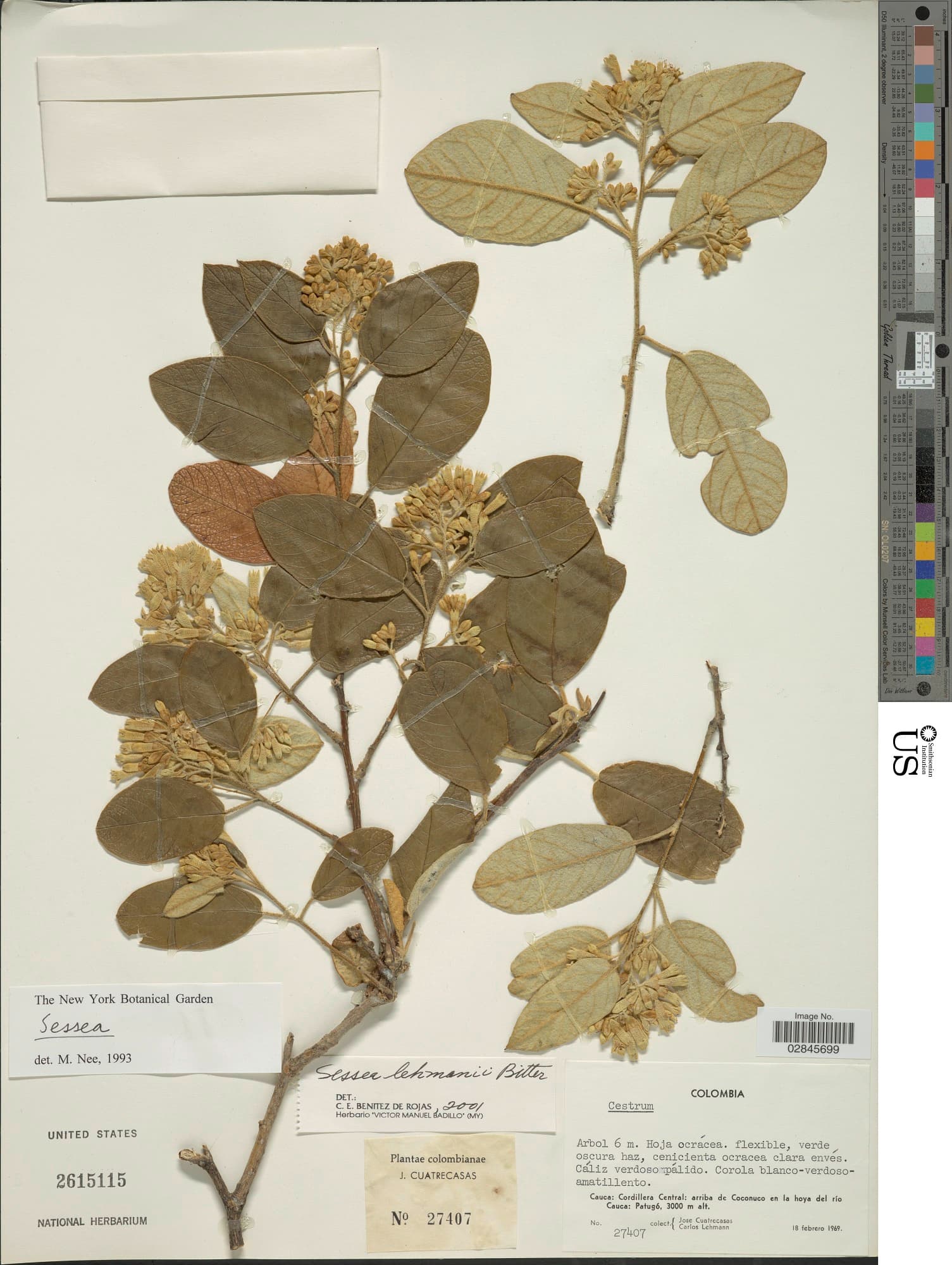
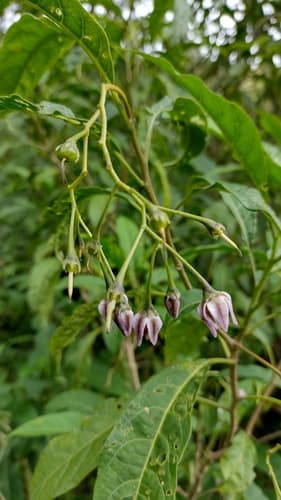
Solanum confusum is a shrub or small tree characterized by its simple, alternate leaves and clusters of small, star-shaped flowers, typically pale purple to white with prominent yellow anthers. These flowers develop into small, globose berries, which are green when immature.