Solanum aemulans
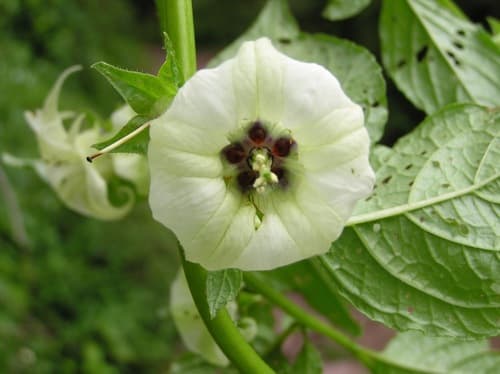
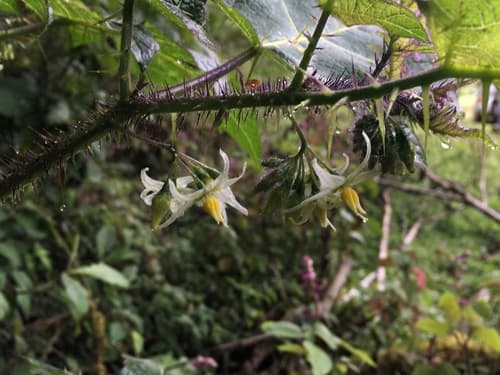
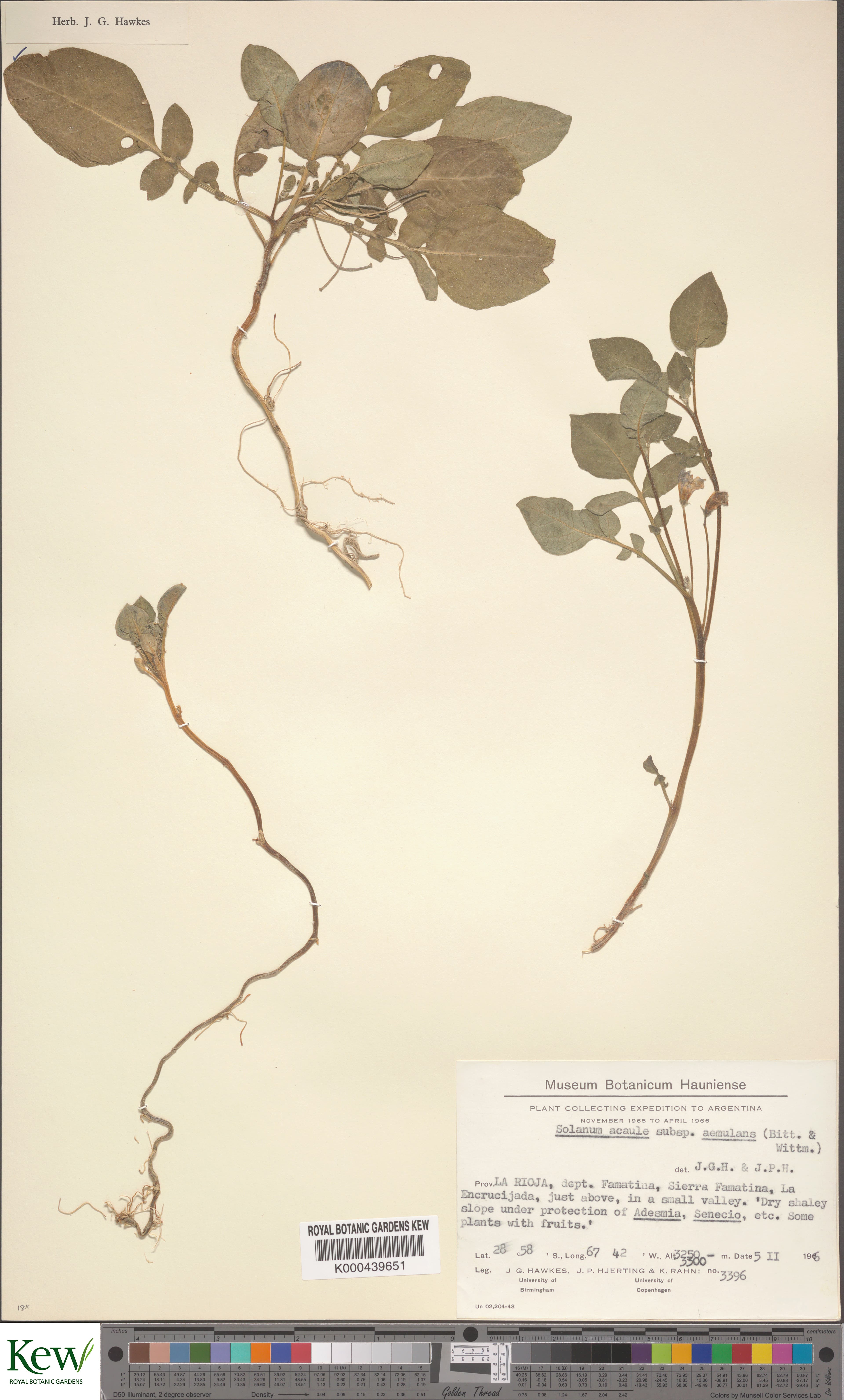
Image: Hawkes, J.G.; Hjerting, J.P.; Rahn, K. (cc-by)
NameSolanum aemulans
Scientific NameSolanum aemulans
Plant FamilySolanaceae
Natural HabitatFound on dry, shaley slopes in small valleys, often growing under the protection of other plants like Adesmia and Senecio. It is native to regions such as La Rioja, Famatina, Sierra Famatina, Argentina.
Parts Used
Traditional UsesNo specific traditional medicinal uses are widely documented for Solanum aemulans. Many wild Solanum species are considered potentially toxic and are not typically used medicinally without careful preparation or specific ethnobotanical knowledge.
Active ConstituentsSteroidal glycoalkaloids
Contraindications & WarningsAs with many wild Solanum species, consumption of raw or improperly prepared parts can be toxic due to the presence of steroidal glycoalkaloids, potentially causing gastrointestinal upset, neurological symptoms, and other adverse effects. This plant should not be ingested without expert guidance.
Cultivation NotesPrefers dry, rocky or shaley soil conditions, consistent with its native habitat on dry slopes. It is likely adapted to specific environmental conditions found in arid, possibly high-altitude regions of Argentina.
Rarityuncommon
Description
A herbaceous plant characterized by its simple, ovate to elliptic leaves and a fibrous root system. As a wild species within the Solanum genus, it is known to produce fruits.