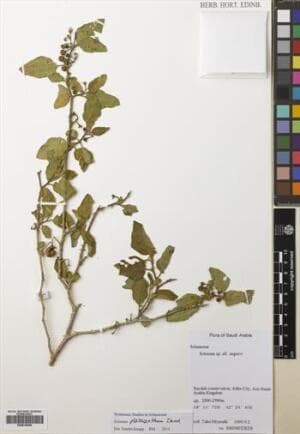
Solanum platacanthum
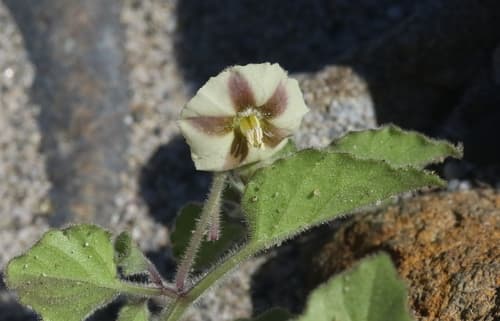
Image: Miyazaki, Taku (cc0)
NameSolanum platacanthum
Scientific NameSolanum platacanthum Dunal
Plant FamilySolanaceae
Natural HabitatNative to arid and semi-arid regions of the Arabian Peninsula, often found in disturbed habitats such as roadsides, wadis, and rocky slopes. The specimen was collected in Riyadh Governorate, Saudi Arabia.
Parts Usedleaf,fruit
Medicinal Actionsanti-inflammatory, analgesic, antimicrobial
Traditional UsesTraditionally, some *Solanum* species, including spiny ones, have been used topically for skin conditions, pain relief, and inflammation. Due to high toxicity, internal use of *Solanum platacanthum* is not recommended and should only be considered under strict expert supervision.
Active Constituentssteroidal glycoalkaloids, solasodine, flavonoids
Preparation Methodspoultice, decoction
Contraindications & WarningsHighly toxic due to the presence of steroidal glycoalkaloids; not safe for internal consumption without expert supervision. Avoid during pregnancy, lactation, and in children. Can cause severe gastrointestinal upset and neurological symptoms if ingested.
Cultivation NotesThrives in full sun and well-drained, sandy or rocky soils. It is drought-tolerant and well-suited to arid and semi-arid climates. Propagation is typically by seed.
Rarityuncommon
Description
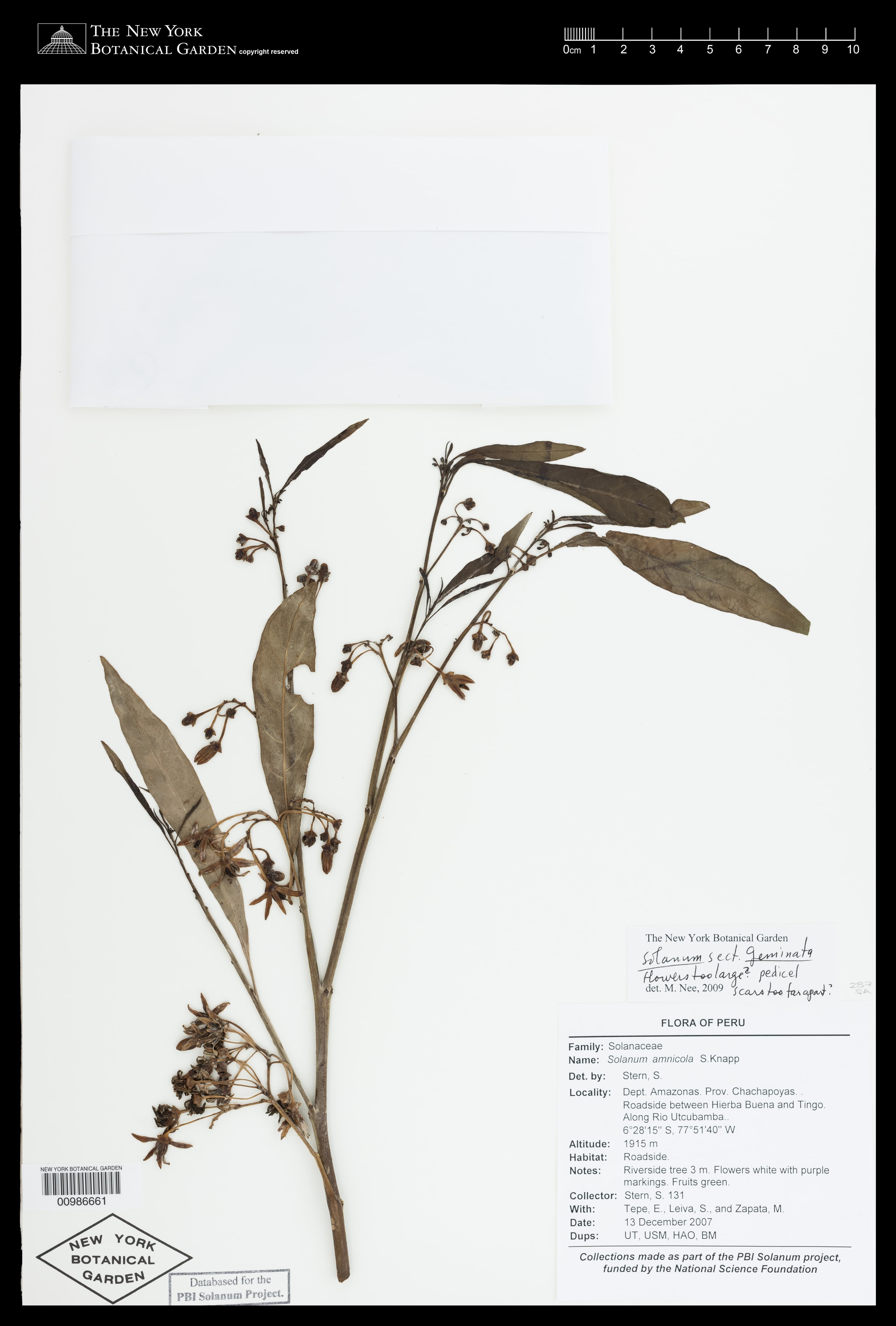
A spiny, perennial subshrub or shrub characterized by prickly stems and leaves, often covered in stellate hairs. It produces small, globose berries, typically green ripening to yellow or orange. The specimen shows a branched stem with ovate leaves and clusters of small, round fruits.