Solanum acanthodes
NameSolanum acanthodes
Scientific NameSolanum acanthodes
Common NamesSpiny Nightshade
Plant FamilySolanaceae
Natural HabitatNative to tropical and subtropical regions of South America, it typically grows in disturbed areas, forest edges, and secondary growth, preferring humid environments.
Parts Usedleaf,fruit,root
Medicinal Actionsanalgesic, anti-inflammatory, antimicrobial
Traditional UsesDue to the presence of potentially toxic steroidal glycoalkaloids, Solanum acanthodes is not widely used in mainstream herbal medicine. Ethnobotanical records for some Solanum species suggest external use for pain relief, inflammation, or skin ailments, and some have been investigated for antimicrobial properties, but internal use is generally discouraged due to high toxicity.
Active Constituentssteroidal glycoalkaloids, saponins, flavonoids
Preparation Methodsdecoction, poultice
Contraindications & WarningsAll parts of Solanum acanthodes are considered potentially toxic due to steroidal glycoalkaloids. Internal use is highly discouraged and can cause severe gastrointestinal upset, neurological symptoms, and can be fatal. Contraindicated in pregnancy, lactation, children, and individuals with allergies to the Solanaceae family.
Cultivation NotesThis plant thrives in warm, humid climates with well-drained soil and prefers full sun to partial shade. It can be propagated from seed but requires protection from frost.
Rarityuncommon
Description
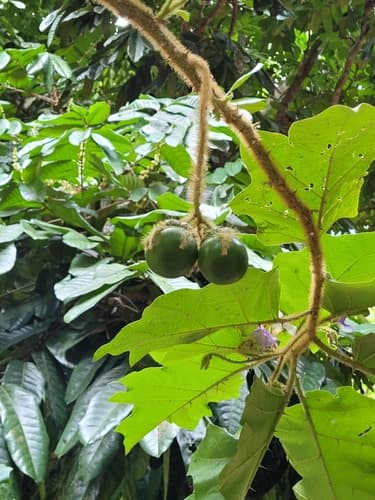
Solanum acanthodes is a thorny shrub or small tree characterized by its densely spiny stems, petioles, and leaf veins. It bears large, often lobed leaves and small, purplish-white flowers, which develop into globose, green (immature) berries that are often hairy.