Peru cestrum
Image: Cody Hinchliff (cc-by-nc)
NamePeru cestrum
Scientific NameCestrum parqui
Common NamesPeru cestrum, Green cestrum, Willow-leaved jessamine, Chilean jessamine, Palqui
Plant FamilySolanaceae
Natural HabitatNative to South America, particularly Chile and Peru, it thrives in disturbed areas, roadsides, riverbanks, and open woodlands. It is often found in temperate to subtropical regions and can become invasive in introduced environments.
Parts Usedleaf,bark,fruit,whole_plant
Medicinal Actionsanalgesic, anti-inflammatory
Traditional UsesTraditionally, the leaves and bark have been used externally in poultices or washes for pain, inflammation, and skin conditions. Historically, internal preparations were used as a febrifuge and purgative, but such uses are extremely dangerous due to the plant's high toxicity.
Active Constituentsparquine, cestrine, solanaceous alkaloids, saponins
Preparation Methodspoultice, decoction
Contraindications & WarningsCestrum parqui is highly toxic to humans and livestock; all parts of the plant, especially the berries and leaves, are poisonous. Ingestion can cause severe gastrointestinal upset, neurological symptoms, liver damage, and can be fatal. Internal use is strictly contraindicated. External use should be approached with extreme caution due to potential skin irritation and systemic absorption.
Cultivation NotesThis hardy shrub is easy to cultivate and can tolerate a wide range of soil types, including poor soils, and is drought-tolerant once established. It prefers full sun to partial shade and can grow rapidly, often becoming weedy or invasive in suitable climates.
Raritycommon
Description
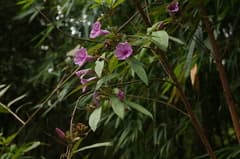
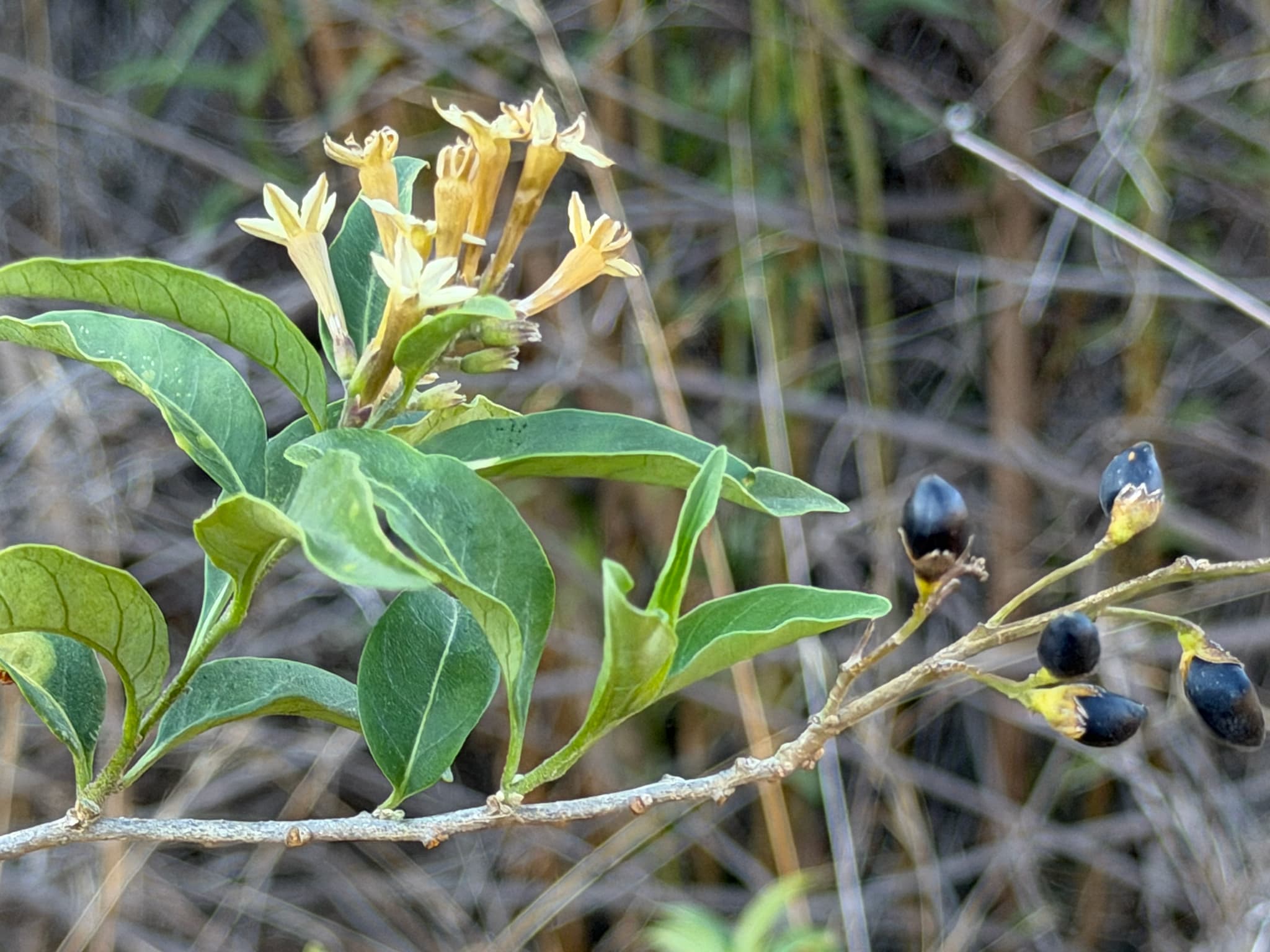
Cestrum parqui is a fast-growing, evergreen shrub characterized by its lanceolate, often aromatic leaves. It produces clusters of tubular, pale yellow to greenish-yellow flowers, which are typically fragrant at night, followed by glossy, dark purple to black berries.