Annual Rock-Nettle
NameAnnual Rock-Nettle
Scientific NameUrtica urens
Common NamesAnnual Nettle, Small Nettle, Dog Nettle, Dwarf Nettle
Plant FamilyUrticaceae
Natural HabitatCommonly found in disturbed soils, cultivated fields, gardens, waste places, and roadsides. It thrives in nitrogen-rich soils and temperate climates.
Parts Usedleaf,whole_plant
Medicinal Actionsdiuretic, anti-inflammatory, astringent, antioxidant, analgesic, antimicrobial
Traditional UsesTraditionally used as a diuretic to promote urine flow and for conditions like urinary tract infections. It has been employed for joint pain, arthritis, and rheumatism due to its anti-inflammatory properties, sometimes through direct application (urtication). It also serves as a nutritive tonic and for various skin conditions.
Active ConstituentsFlavonoids, Phenolic acids, Carotenoids, Vitamins (C, K), Minerals (iron, calcium), Histamine, Acetylcholine, Serotonin, Formic acid
Preparation Methodsinfusion, decoction, tincture, poultice, powder, salve
Contraindications & WarningsDirect contact with fresh plant can cause skin irritation due to stinging hairs. Internal use may interact with blood thinners, diuretics, and medications for high blood pressure or diabetes. Pregnant or breastfeeding individuals should consult a healthcare professional.
Cultivation NotesThis annual plant is easily grown from seed and readily self-seeds, often considered a weed in gardens. It prefers full sun to partial shade and can tolerate a wide range of soil types, especially those rich in nitrogen.
Raritycommon
Description
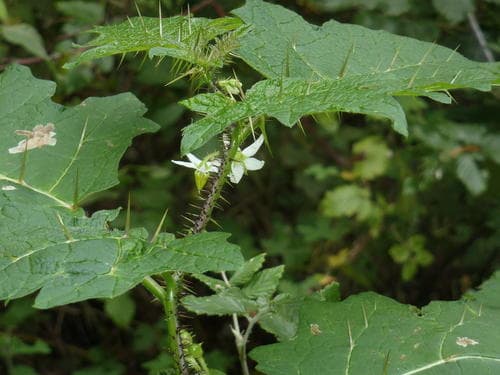
Urtica urens is an annual herbaceous plant, typically smaller than its perennial relatives, characterized by ovate to elliptical leaves with serrated margins and stinging hairs. It produces small, inconspicuous greenish flowers in axillary clusters.