Small White Lady
NameSmall White Lady
Scientific NameGrewia tenax
Common NamesWhite Crossberry, Falsa, Kanger
Plant FamilyMalvaceae
Natural HabitatArid and semi-arid regions, savannas, rocky hillsides, and open woodlands across Africa, the Arabian Peninsula, and parts of Asia. It is highly drought-tolerant.
Parts Usedfruit,leaf,root,bark
Medicinal Actionsanalgesic, anti-inflammatory, antimicrobial, antioxidant, astringent, demulcent
Traditional UsesTraditionally, the fruit is eaten fresh or made into a refreshing drink, valued for its cooling properties and as a demulcent for throat and urinary tract issues. Leaves and bark are used for their astringent and anti-inflammatory effects, often applied topically for wounds, skin infections, and joint pain. Root decoctions are used for coughs, fevers, and as an analgesic.
Active ConstituentsFlavonoids, Tannins, Phenolic compounds, Triterpenoids, Alkaloids, Vitamin C
Preparation Methodsinfusion, decoction, powder, poultice
Contraindications & WarningsGenerally considered safe when consumed as food. No significant contraindications are widely reported for traditional medicinal use, but pregnant/nursing women and individuals with specific health conditions should consult a healthcare professional.
Cultivation NotesPrefers full sun and well-drained soil. Drought-tolerant once established. Can be propagated by seed or cuttings. Requires minimal care and is well-suited for arid landscapes.
Raritycommon
Description
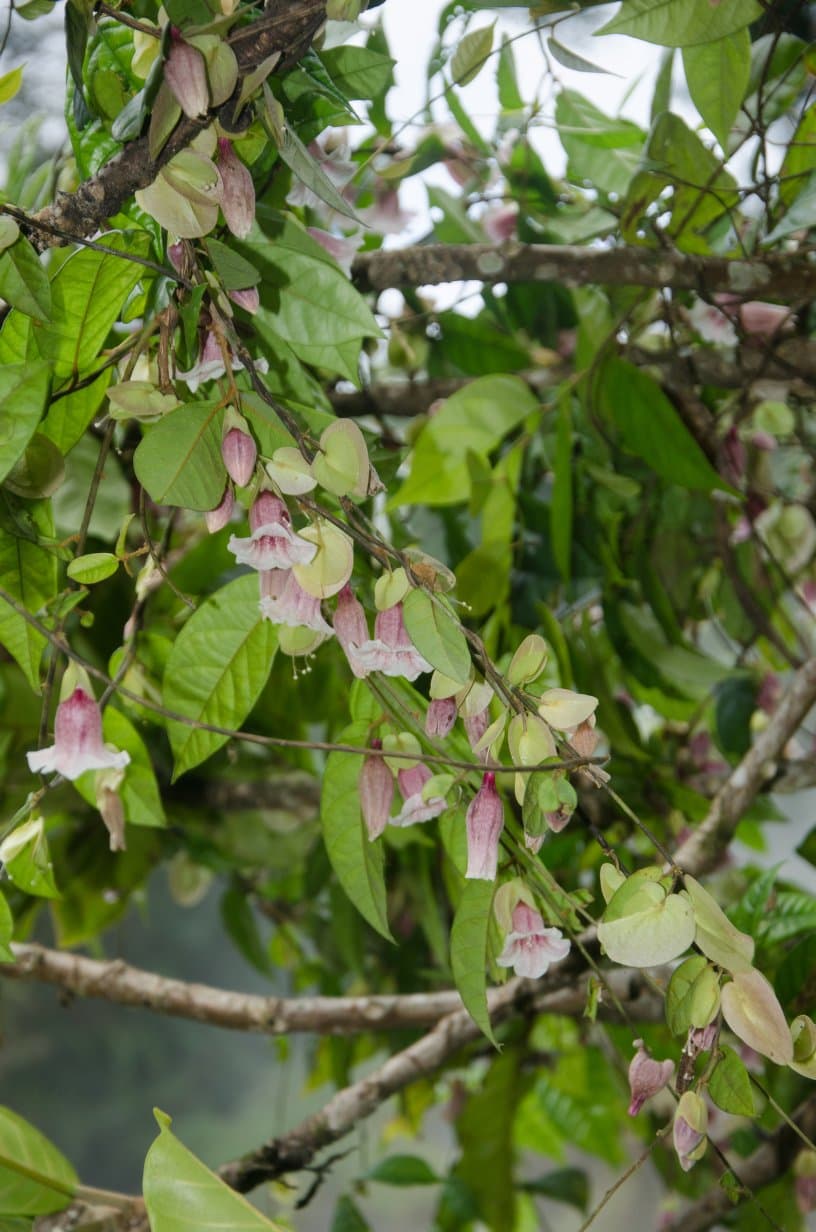
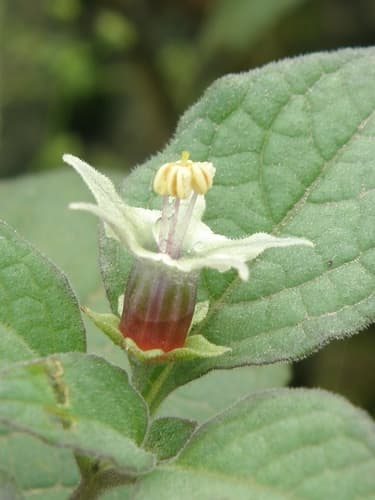
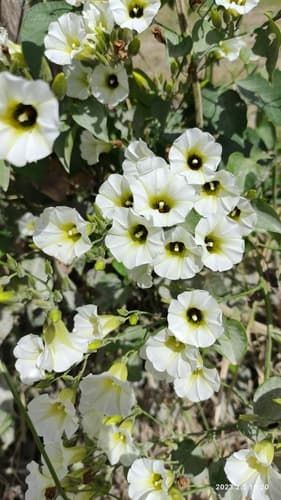
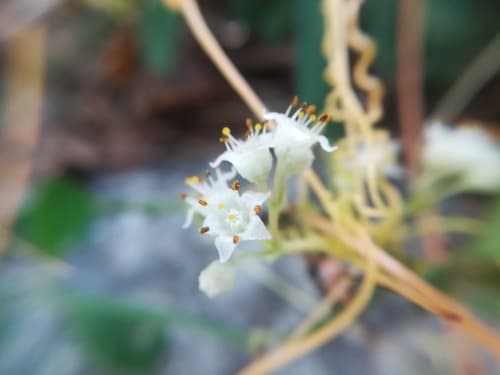
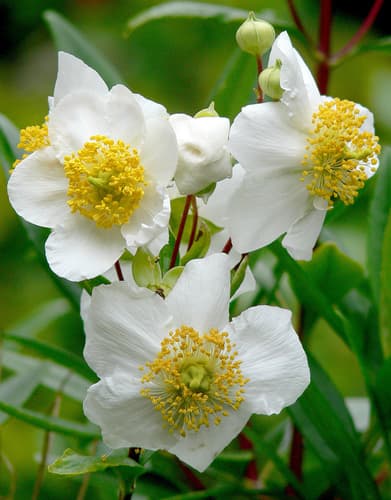
A deciduous shrub or small tree, typically growing 1-3 meters tall, with slender branches. It features small, alternate, ovate to suborbicular leaves, often with a grayish or silvery underside due to fine hairs. Small, bright yellow, star-shaped flowers bloom in axillary clusters, followed by small, edible, reddish-orange to purple drupes.