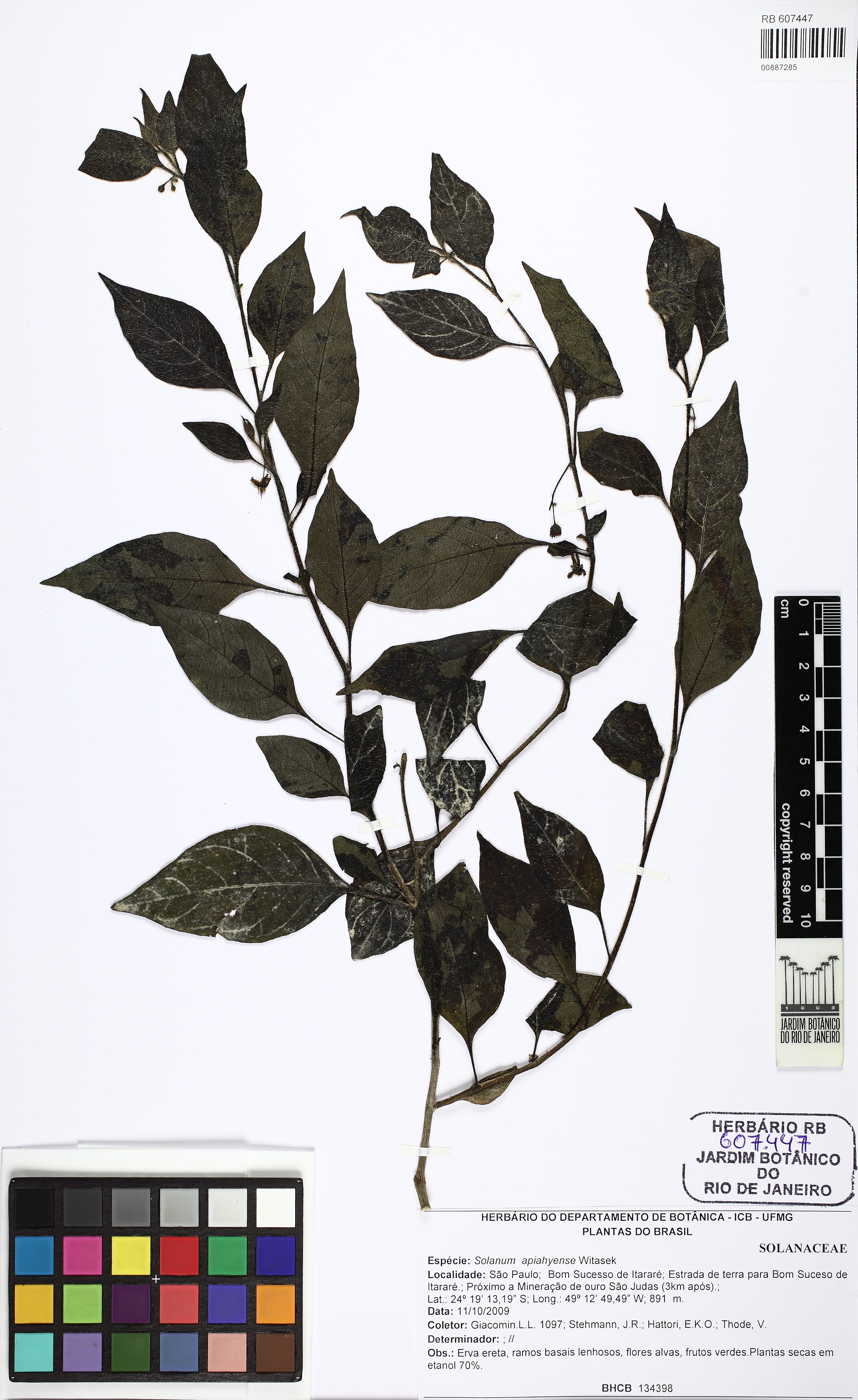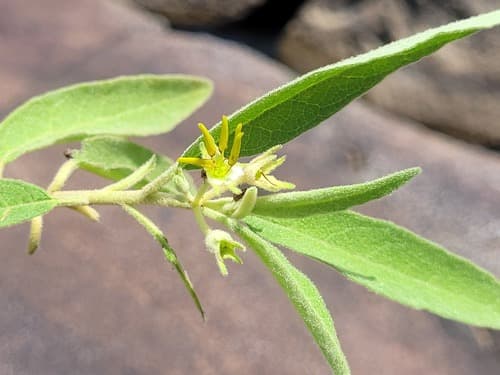
Panicle Hydrangea
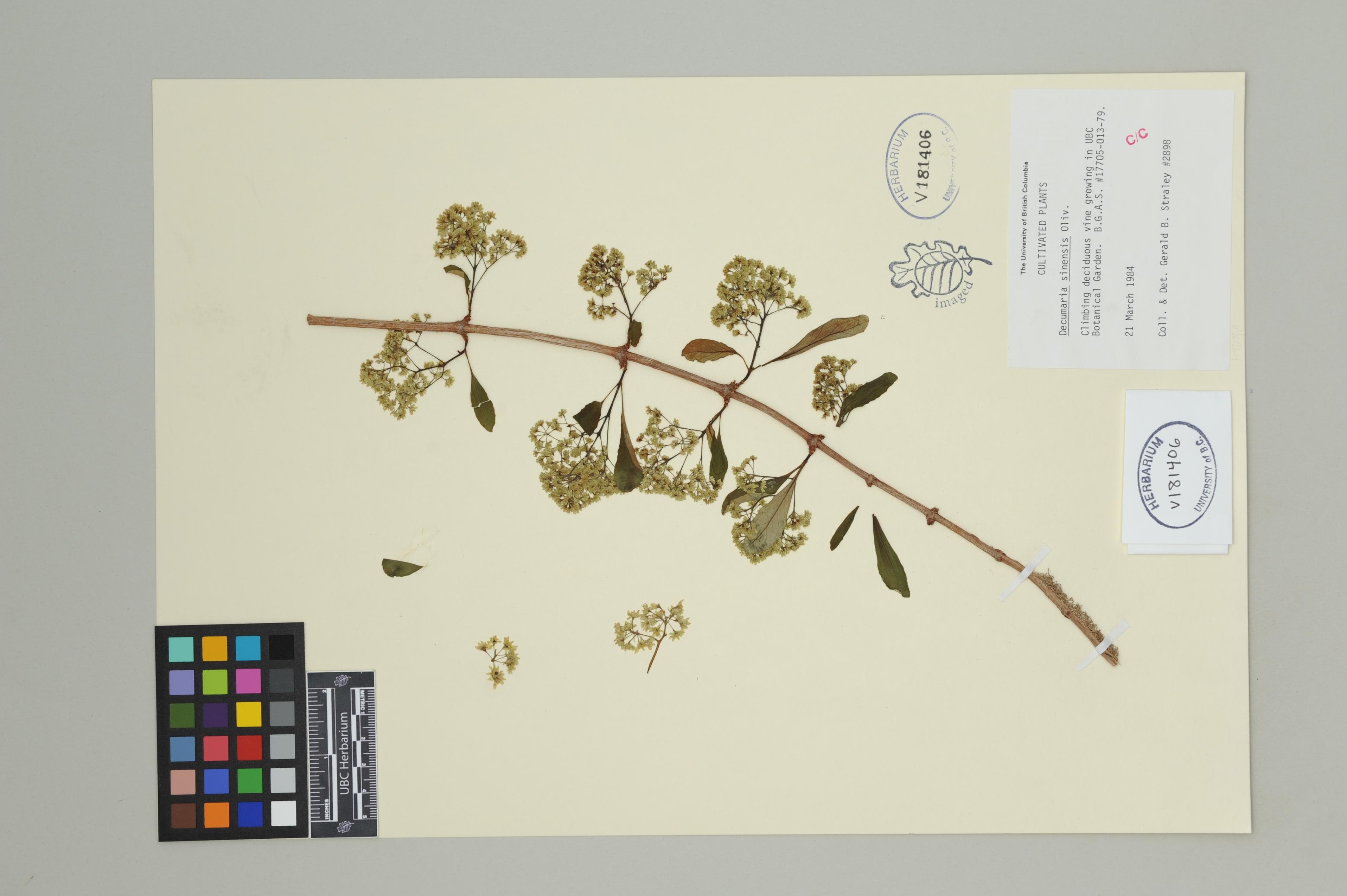
Image: Gerald B. Straley (cc0)
NamePanicle Hydrangea
Scientific NameHydrangea obtusifolia
Common NamesPanicle Hydrangea, Peegee Hydrangea, Grandiflora Hydrangea
Plant FamilyHydrangeaceae
Natural HabitatNative to East Asia (China, Japan, Korea), it thrives in woodlands, forest edges, and mountainous regions, preferring moist, well-drained soils. It is widely cultivated globally in temperate climates.
Parts Usedroot,flower
Medicinal Actionsdiuretic, anti-inflammatory, antioxidant
Traditional UsesTraditionally, the root of Hydrangea species has been used to treat urinary tract conditions such as kidney stones, bladder infections, and prostate issues, due to its diuretic and lithotriptic properties. It was also employed for rheumatic conditions.
Active ConstituentsHydrangin, saponins, flavonoids, hydrangenol, scopoletin
Preparation Methodsdecoction, tincture, infusion
Contraindications & WarningsMay cause stomach upset or dizziness in some individuals. Not recommended for pregnant or breastfeeding women, or those with kidney disease without medical supervision. Can interact with diuretics and blood thinners.
Cultivation NotesPrefers full sun to partial shade and moist, well-drained soil. It is very hardy and adaptable, tolerating a range of soil types and urban conditions, and benefits from annual pruning to encourage vigorous flowering.
Raritycommon
Description
Hydrangea obtusifolia is a deciduous shrub or small tree, typically growing 10-15 feet tall, known for its large, conical flower clusters that emerge white in summer. Its leaves are ovate, serrated, and dark green, arranged oppositely or in whorls of three along sturdy stems.