Plantain (Broadleaf)
Image: alexfamilyteam (cc-by-nc)
NamePlantain (Broadleaf)
Scientific NamePlantago major L.
Common NamesBroadleaf Plantain, Common Plantain, Greater Plantain, White Man's Foot
Plant FamilyPlantaginaceae
Natural HabitatThis cosmopolitan weed thrives in disturbed areas such as lawns, gardens, roadsides, fields, and waste ground. It tolerates a wide range of soil types and conditions, often indicating compacted soil.
Parts Usedleaf,seed,root
Medicinal Actionsanalgesic, anti-inflammatory, antimicrobial, antioxidant, astringent, demulcent, diuretic, expectorant
Traditional UsesTraditionally, plantain leaves are used topically as a poultice for insect bites, stings, wounds, burns, and skin irritations due to their drawing and healing properties. Internally, infusions are used for coughs, bronchitis, and digestive complaints, while the seeds are used as a bulk laxative for constipation.
Active Constituentsmucilage, tannins, iridoid glycosides (aucubin), flavonoids, salicylic acid
Preparation Methodsinfusion, decoction, tincture, poultice, powder, salve
Contraindications & WarningsGenerally considered safe. Large doses of seeds can cause intestinal obstruction if not taken with sufficient water. May interact with blood-thinning medications due to vitamin K content.
Cultivation NotesEasily grown from seed, often considered a weed. Prefers full sun to partial shade and well-drained soil, tolerating poor soil conditions. It self-seeds readily and can be quite prolific.
Raritycommon
Description
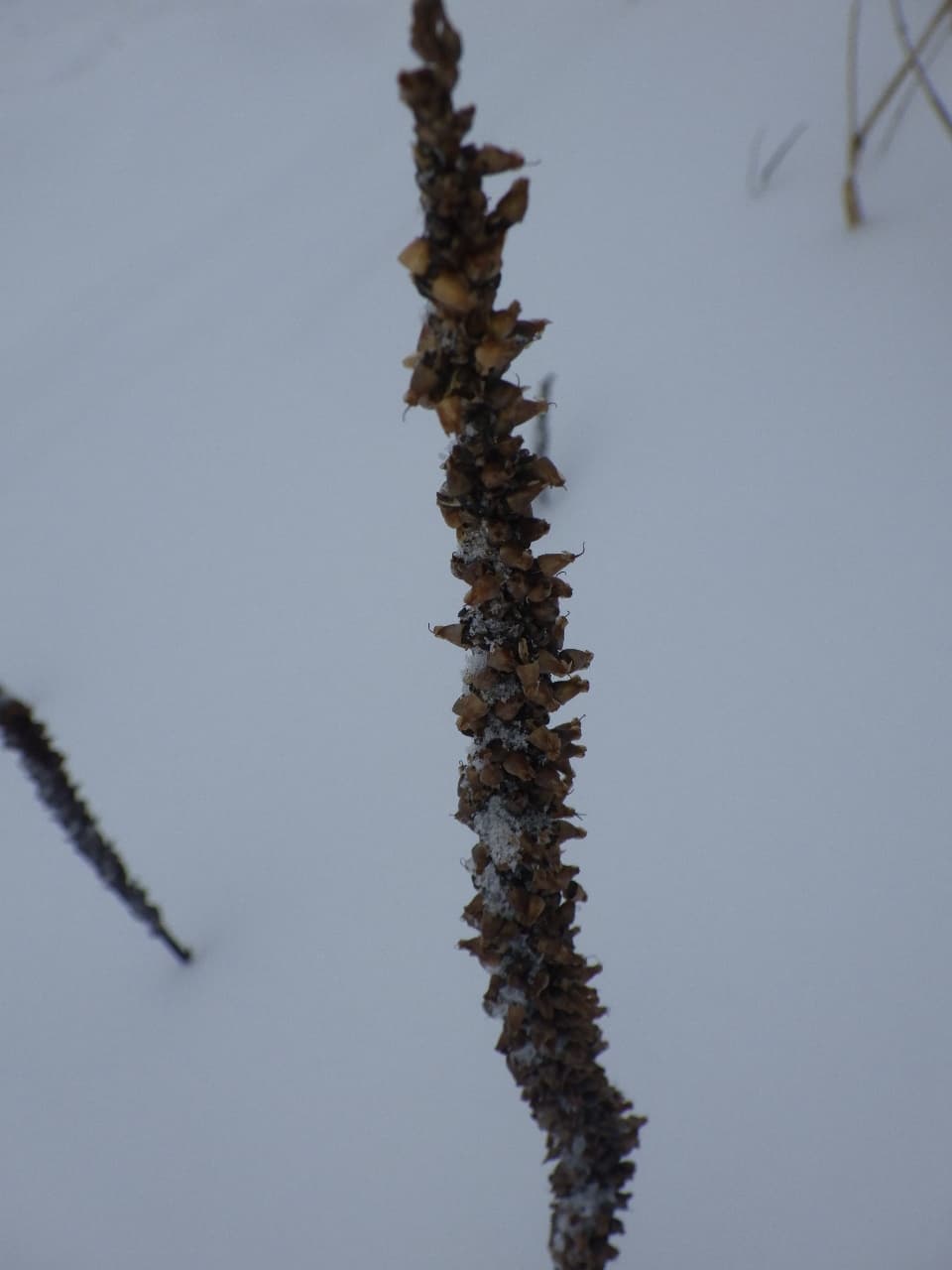
Plantago major is a widespread herbaceous perennial plant characterized by its broad, oval leaves that form a basal rosette and its distinctive tall, slender flower spikes bearing numerous small, inconspicuous flowers that mature into seed capsules. It is often found in disturbed soils and lawns.