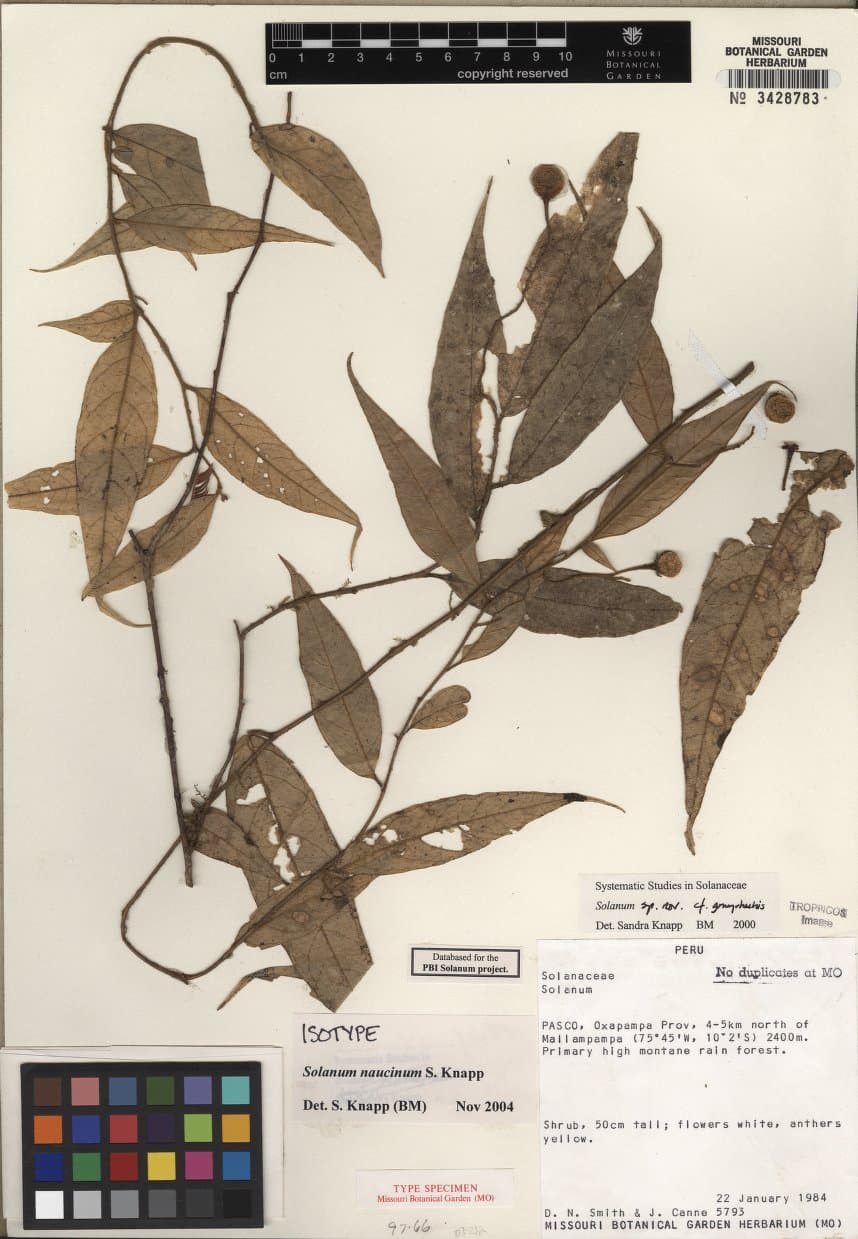
American black nightshade
NameAmerican black nightshade
Scientific NameSolanum americanum
Common NamesAmerican Black Nightshade, Glossy Nightshade, Small-flowered Nightshade, Inkberry
Plant FamilySolanaceae
Natural HabitatCommonly found in disturbed areas, fields, gardens, roadsides, and open woodlands. It is native to the Americas but has become widely naturalized across many temperate and tropical regions.
Parts Usedleaf,fruit
Medicinal Actionsanti-inflammatory, antimicrobial, antioxidant
Traditional UsesTraditionally, ripe berries have been consumed (often cooked) in some cultures, while leaves and shoots have been used externally as poultices for skin conditions, wounds, and boils. Internally, with extreme caution and in very small doses, it has been used for fevers or as a mild sedative/analgesic in specific traditional preparations.
Active ConstituentsSolanine, Solamargine, Solasonine, Saponins, Flavonoids, Phenolic compounds
Preparation Methodsinfusion, poultice
Contraindications & WarningsAll parts of the plant, especially unripe berries and leaves, contain toxic glycoalkaloids and can be poisonous if ingested. Symptoms of poisoning include gastrointestinal upset, nausea, vomiting, diarrhea, and neurological effects. Fatalities have occurred. Pregnant or nursing women, children, and individuals with liver or kidney conditions should strictly avoid. Consult a qualified expert before any internal use due to high toxicity.
Cultivation NotesThis plant grows readily from seed and can thrive in a variety of soil types, preferring full sun to partial shade. It is often considered a weed due to its vigorous growth and ability to colonize disturbed areas.
Raritycommon
Description
A herbaceous annual or short-lived perennial plant, typically growing up to 1 meter tall. It features ovate leaves, small white flowers with yellow centers arranged in clusters, and small, spherical berries that ripen from green to glossy black.