Sharpleaf Groundcherry
NameSharpleaf Groundcherry
Scientific NamePhysalis acutifolia
Common NamesSharpleaf Groundcherry, Southwestern Groundcherry, Tomatillo de la Sierra
Plant FamilySolanaceae
Natural HabitatNative to the southwestern United States and northern Mexico, it thrives in disturbed areas, sandy soils, roadsides, fields, and riparian zones, often in arid or semi-arid climates.
Parts Usedfruit,leaf
Medicinal Actionsantioxidant, anti-inflammatory, diuretic
Traditional UsesTraditionally, various Physalis species, including Sharpleaf Groundcherry, have been used for their diuretic properties to support kidney and urinary health. The fruits are often consumed for their nutritional value and general wellness, sometimes employed as an anti-inflammatory agent or for fevers.
Active ConstituentsPhysalins, Flavonoids, Carotenoids, Phenolic compounds, Vitamin C
Preparation Methodsinfusion, powder
Contraindications & WarningsUnripe fruits and other parts of the plant may contain solanine-like alkaloids, which can be toxic; only ripe fruits should be consumed. Individuals with known allergies to the Solanaceae family should exercise caution.
Cultivation NotesThis plant is easily grown from seed in warm climates, preferring full sun and well-drained soil. It is relatively drought-tolerant once established and can readily self-seed, often appearing in disturbed areas.
Raritycommon
Description
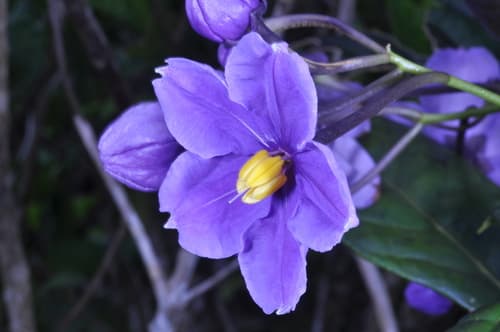
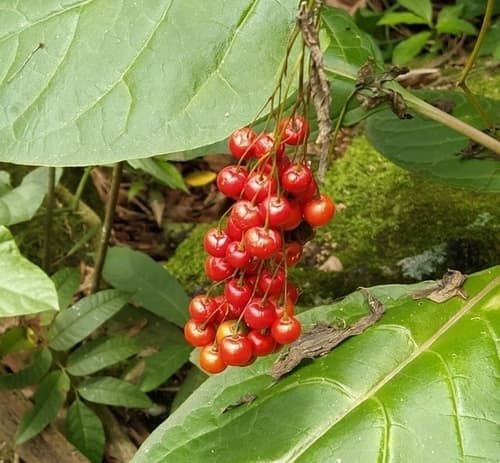
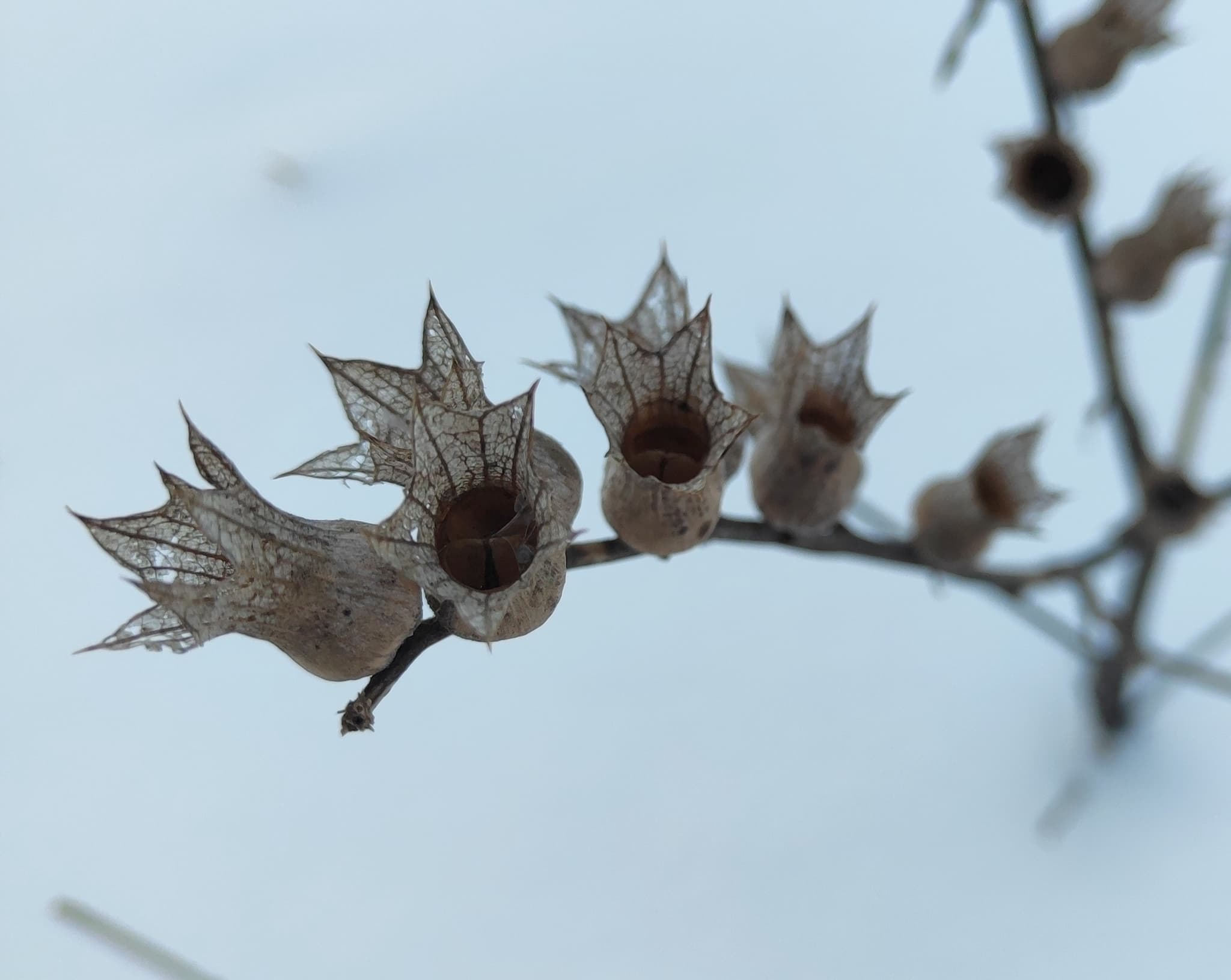
An annual herbaceous plant characterized by its sharply toothed or lobed leaves and bell-shaped white flowers with a distinctive yellow throat. It produces small, edible berries enclosed within a papery, lantern-like calyx as it matures.