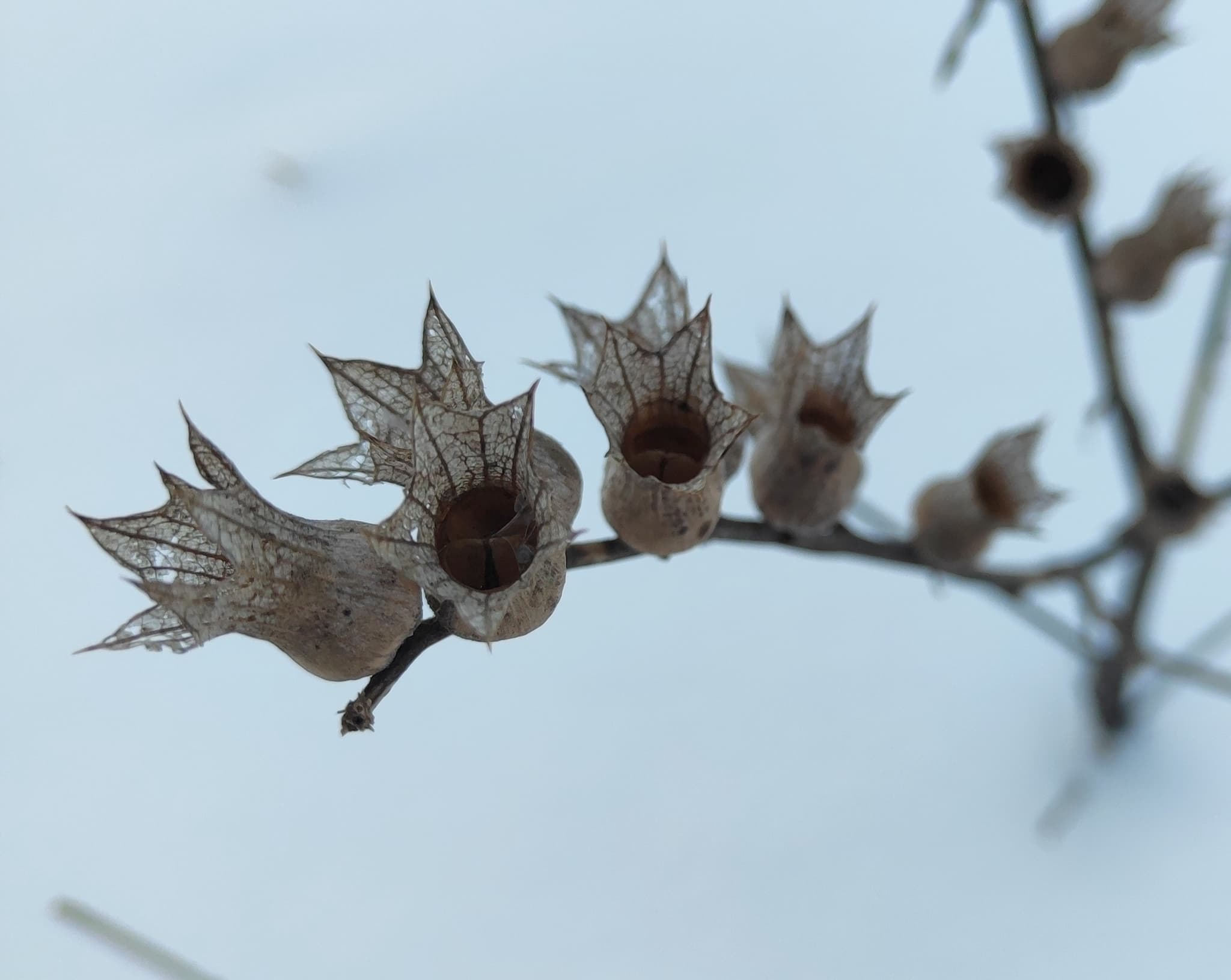
Henbane
Image: Lyudmila Ivanova (cc-by-nc)
NameHenbane
Scientific NameHyoscyamus niger
Common NamesHenbane, Black Henbane, Stinking Nightshade, Jupiter's Bean, Hog's Bean
Plant FamilySolanaceae
Natural HabitatOften found in disturbed soils, waste ground, roadsides, and old ruins, particularly in temperate regions of Europe, Asia, and North Africa. It prefers dry, calcareous soils.
Parts Usedleaf,seed,whole_plant
Medicinal Actionsanalgesic, sedative, nervine
Traditional UsesHistorically used as a powerful sedative, analgesic, and antispasmodic for pain relief, insomnia, nervous disorders, and muscle spasms. Due to its high toxicity, it was used with extreme caution in very small, controlled doses, or externally for rheumatic pain and neuralgia. It was also a component of traditional 'flying ointments'.
Active ConstituentsHyoscyamine, Scopolamine, Atropine
Preparation Methodsinfusion, tincture, poultice, salve, powder
Contraindications & WarningsEXTREMELY TOXIC. Contraindicated in pregnancy, breastfeeding, glaucoma, prostatic hypertrophy, heart conditions, and in children. Can cause severe anticholinergic poisoning, including hallucinations, delirium, tachycardia, dry mouth, blurred vision, and respiratory paralysis. Should only be used under strict medical supervision, if at all, due to its narrow therapeutic window and high risk of overdose.
Cultivation NotesPrefers full sun to partial shade and well-drained, fertile soil. Propagated by seed. Requires careful handling due to its toxicity, and gloves should be worn when cultivating.
Rarityuncommon
Description
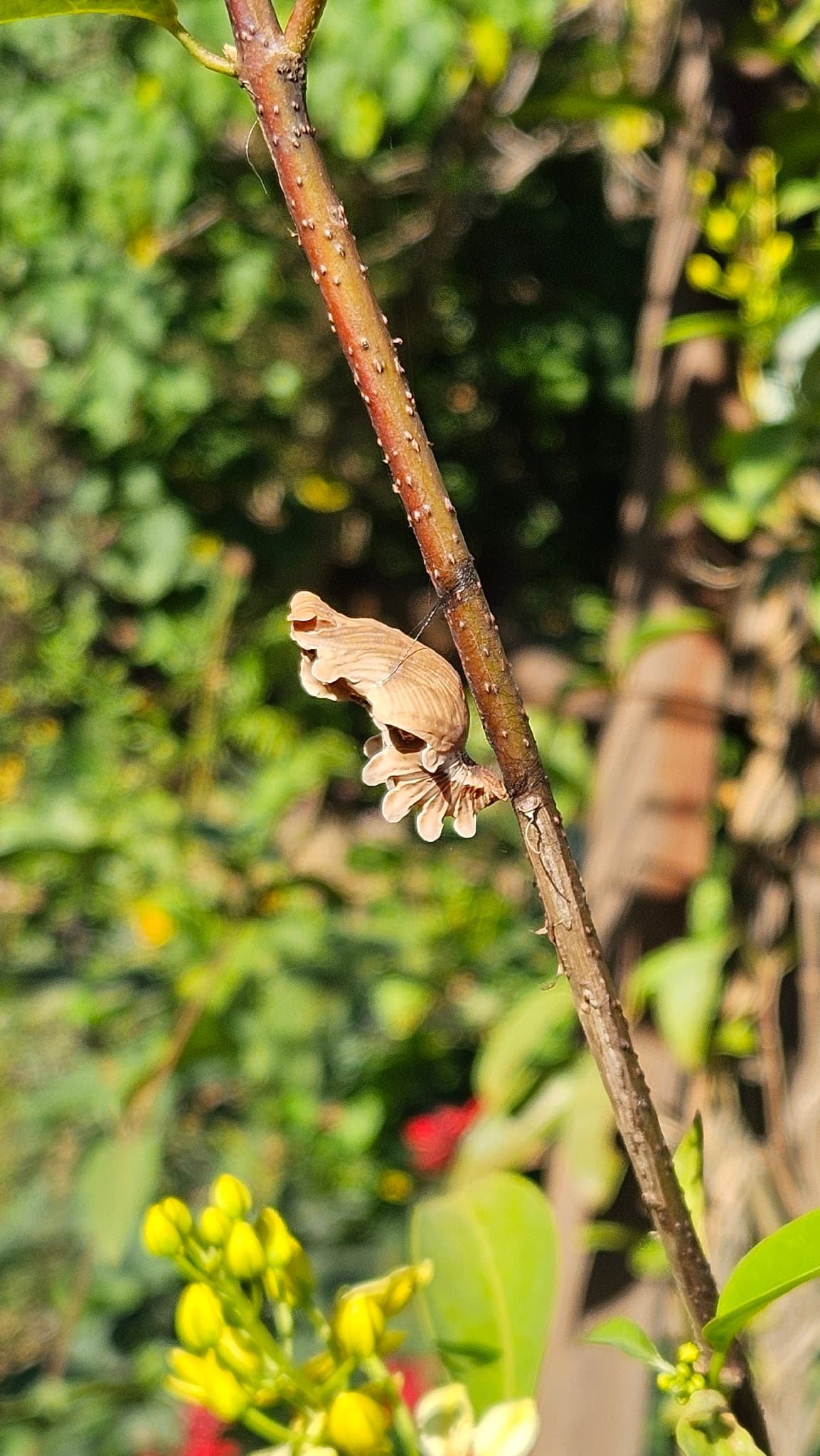
A biennial or annual herbaceous plant, typically growing up to 1 meter tall, characterized by sticky, hairy leaves and pale yellow-purple, bell-shaped flowers. The image displays its distinctive dried, urn-shaped calyx, which persists after flowering, enclosing the fruit (capsule) and seeds.