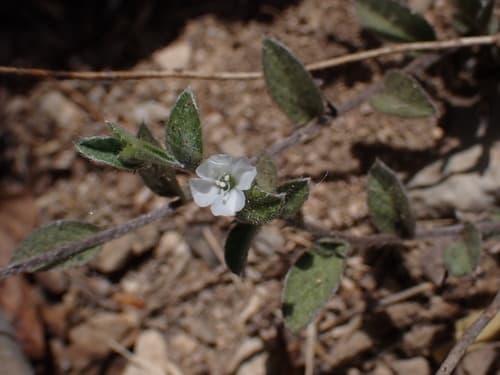
Seddera Repens
NameSeddera Repens
Scientific NameSeddera repens
Common NamesCreeping Seddera
Plant FamilyConvolvulaceae
Natural HabitatThis plant thrives in arid and semi-arid environments, commonly found in deserts, rocky slopes, and sandy plains across North Africa, the Arabian Peninsula, and parts of Asia.
Parts Usedwhole_plant,leaf
Medicinal Actionsanalgesic, anti-inflammatory, antimicrobial, antioxidant, diuretic
Traditional UsesTraditionally, Seddera repens has been used in folk medicine to treat fevers, coughs, and colds. It is also employed for urinary tract infections due to its diuretic properties, and externally as a poultice for skin diseases and wounds. Some traditions use it for gastrointestinal issues, pain, inflammation, and liver disorders.
Active ConstituentsFlavonoids, Phenolic compounds, Alkaloids, Steroids, Triterpenes, Saponins, Glycosides
Preparation Methodsinfusion, decoction, poultice, powder
Contraindications & WarningsSpecific contraindications for Seddera repens are not well-documented. However, as with many herbal remedies, caution is advised for pregnant or lactating individuals, and those with pre-existing medical conditions or taking prescription medications should consult a healthcare professional.
Cultivation NotesSeddera repens prefers full sun and well-drained, sandy or rocky soils. It is highly drought-tolerant and suitable for xeriscaping, requiring minimal water once established. Propagation can be achieved through seeds or stem cuttings.
Raritycommon
Description
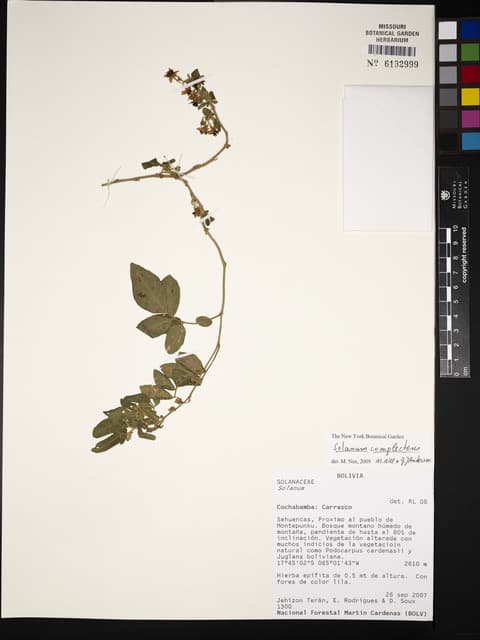
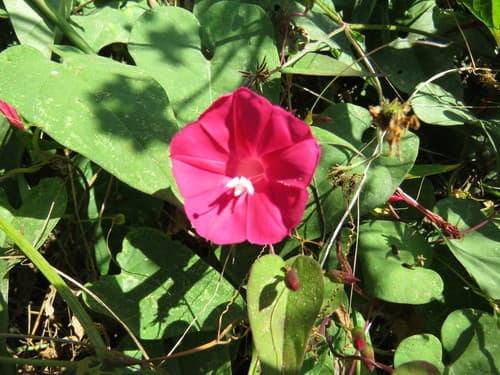
Seddera repens is a prostrate or creeping perennial herb, forming mats with slender, hairy stems. Its small, ovate to elliptic leaves are densely covered in fine hairs, and it produces tiny, solitary white or pale yellow funnel-shaped flowers in the leaf axils.