Bracteate Cestrum
NameBracteate Cestrum
Scientific NameCestrum bracteatum
Common NamesBracteate Cestrum
Plant FamilySolanaceae
Natural HabitatNative to tropical and subtropical regions, commonly found in forest understories, disturbed areas, and secondary growth.
Parts Usedleaf,bark,root
Medicinal Actionsanalgesic, anti-inflammatory
Traditional UsesTraditionally, various *Cestrum* species, including *C. bracteatum*, have been used in folk medicine for their analgesic and anti-inflammatory properties. Preparations are often applied externally for pain, rheumatism, and skin conditions, and sometimes internally for fevers, though with extreme caution due to toxicity.
Active Constituentssteroidal glycoalkaloids, saponins, flavonoids
Preparation Methodsinfusion, decoction, poultice
Contraindications & WarningsHighly toxic due to steroidal glycoalkaloids; ingestion can cause severe gastrointestinal upset, neurological symptoms, and cardiac issues. Contraindicated in pregnancy, lactation, and for children. Use with extreme caution and only under expert guidance, primarily for external applications.
Cultivation NotesThrives in warm, humid climates with well-drained, fertile soil. Can be propagated from seeds or cuttings. May become invasive in suitable environments.
Raritycommon
Description
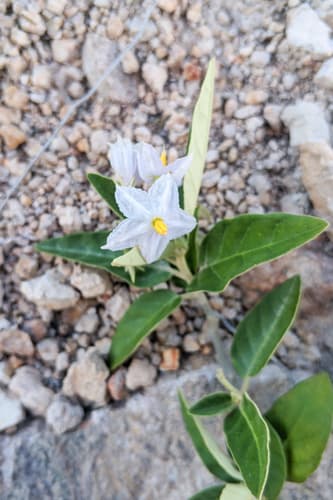
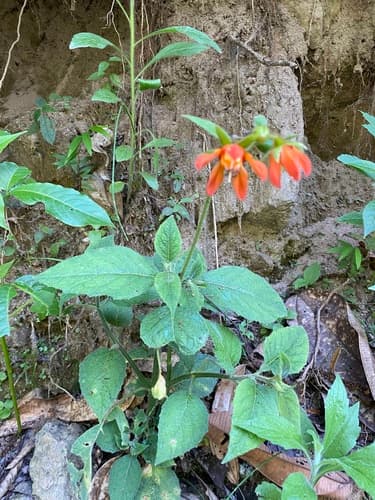
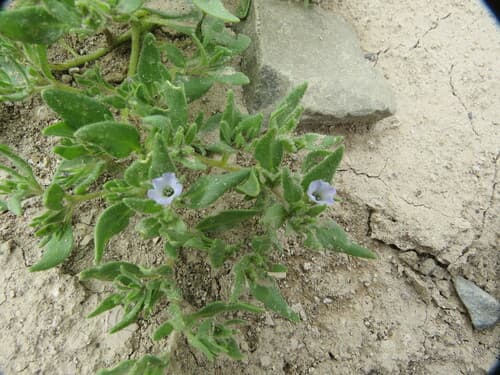
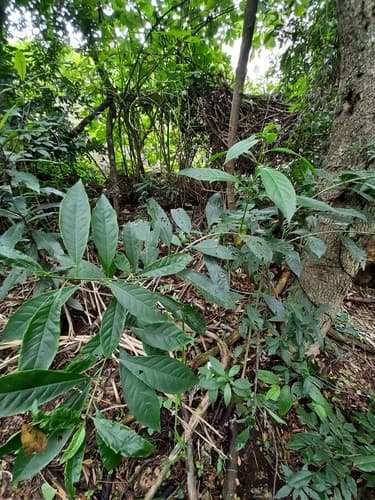
A shrub or small tree, typically growing several meters tall, with simple, alternate, ovate to lanceolate dark green leaves. It produces tubular flowers, often with prominent bracts, followed by berry-like fruits.