Salzmann Cestrum
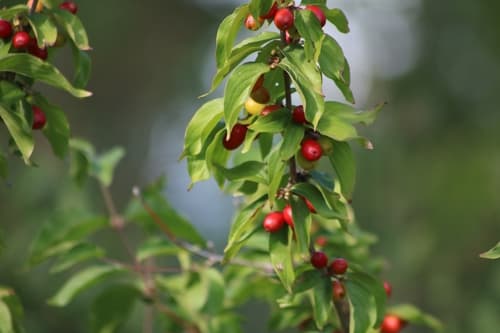
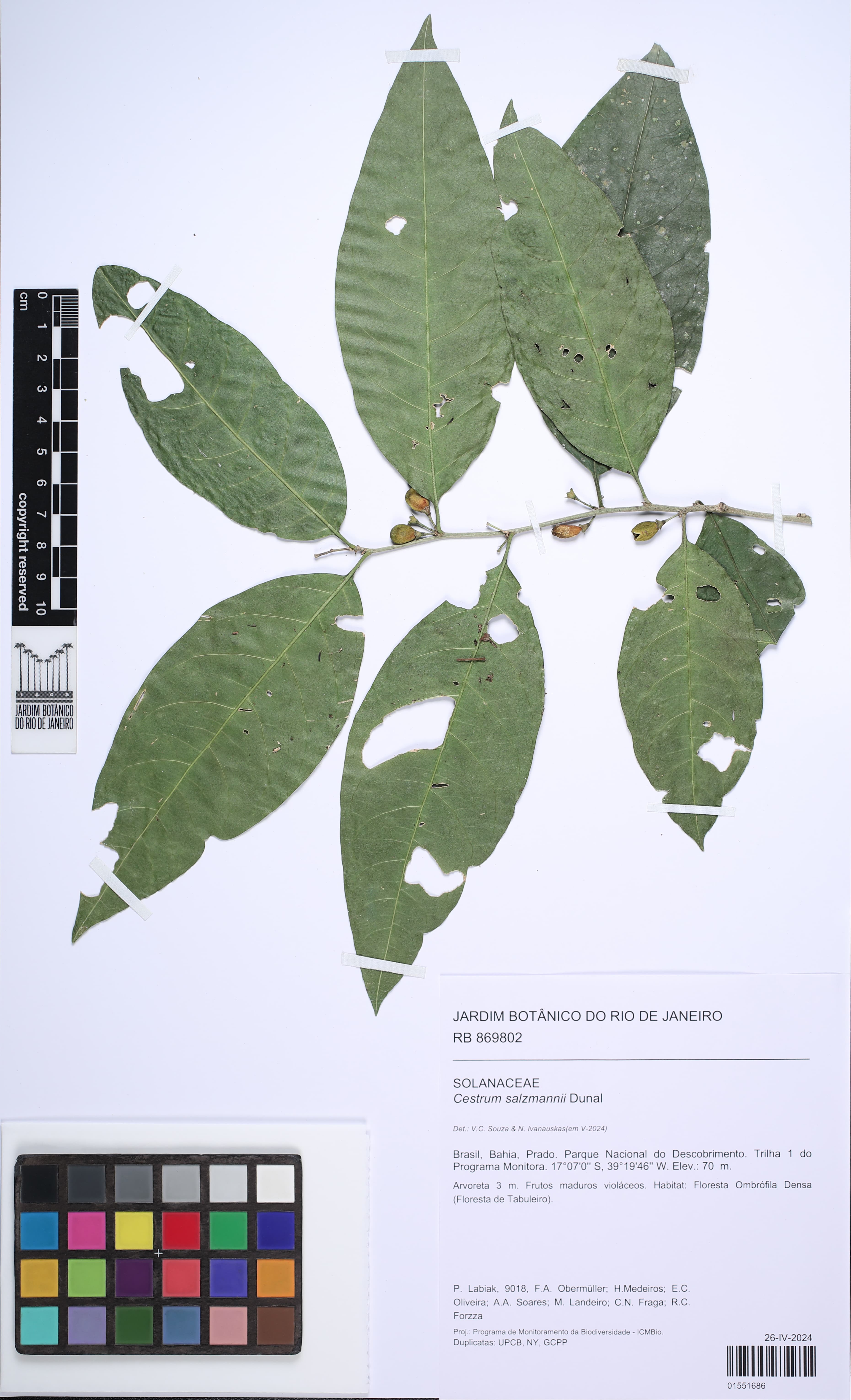
Image: P. Labiak; F.A. Obermüller; H.Medeiros; E.C. Oliveira; A.A. Soares; M. Landeiro; C.N. Fraga; R.C. Forzza (cc-by)
NameSalzmann Cestrum
Scientific NameCestrum salzmannii Dunal
Common NamesSalzmann Cestrum
Plant FamilySolanaceae
Natural HabitatNative to Dense Ombrophilous Forests (Floresta Ombrófila Densa) in Brazil, specifically found in regions like Bahia, often in tableland forest ecosystems.
Parts Usedleaf,fruit
Medicinal Actionsanalgesic, anti-inflammatory
Traditional UsesWhile many Cestrum species are known for their toxicity, some traditional folk medicine practices have historically utilized the leaves of certain species for their purported anti-inflammatory and analgesic properties, often in external applications for pain or skin conditions. Internal use is generally discouraged due to high toxicity.
Active Constituentssteroidal glycoalkaloids, saponins, flavonoids
Preparation Methodspoultice
Contraindications & WarningsAll parts of Cestrum salzmannii, especially the fruits, are considered highly toxic and should not be ingested. Symptoms of poisoning can include gastrointestinal distress, neurological effects, and respiratory issues. Not recommended for internal use without expert medical supervision.
Cultivation NotesThis species thrives in tropical to subtropical climates, preferring moist, well-drained soils and can tolerate full sun to partial shade. It is typically found in forest understories or edges.
Rarityuncommon
Description
Cestrum salzmannii is a small tree, typically growing up to 3 meters tall, characterized by its simple, alternate leaves. It produces ripe purplish fruits, which are characteristic of the genus.