Hazel Dodder
NameHazel Dodder
Scientific NameCuscuta parviflora
Common NamesHazel Dodder, Dodder
Plant FamilyConvolvulaceae
Natural HabitatTypically found parasitizing various herbaceous and woody plants in disturbed areas, fields, and along roadsides, requiring a host for survival.
Parts Usedseed,whole_plant
Medicinal Actionsantioxidant, anti-inflammatory, adaptogen, diuretic
Traditional UsesTraditionally, seeds of Cuscuta species (like Tu Si Zi in TCM) are used to tonify the kidney and liver, improve vision, and treat conditions such as impotence, premature ejaculation, frequent urination, and lower back pain. It is also used as a general tonic.
Active Constituentsflavonoids, lignans, polysaccharides, coumarins
Preparation Methodsdecoction, infusion, powder, tincture
Contraindications & WarningsAvoid during pregnancy and lactation. Use with caution in cases of spleen deficiency with dampness or excess fire. Consult a healthcare professional before use.
Cultivation NotesAs a parasitic plant, it is not typically cultivated for medicinal harvest but rather wild-harvested. It requires a suitable host plant to grow and can be considered a weed in agricultural settings.
Rarityuncommon
Description
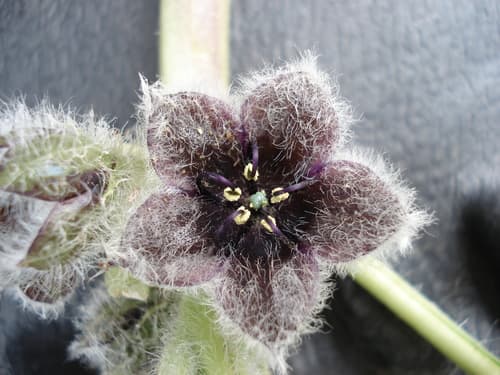
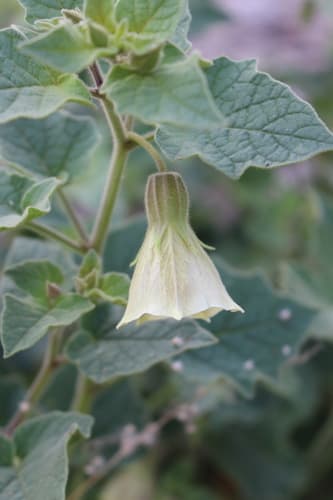
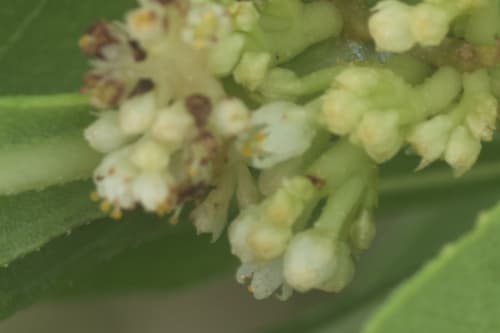
A parasitic annual plant characterized by its thread-like, yellowish, leafless stems that twine around host plants. It produces small, pale, bell-shaped flowers in dense clusters, as seen in the image.