Salpichroa glandulosa
NameSalpichroa glandulosa
Scientific NameSalpichroa glandulosa
Common NamesLily of the Valley Vine, Pampas Lily of the Valley, Apple of Peru
Plant FamilySolanaceae
Natural HabitatNative to South America, particularly the Andes region. It thrives in disturbed areas, roadsides, grasslands, and open woodlands, often becoming naturalized or invasive in other temperate regions.
Parts Usedleaf,fruit
Medicinal Actionsanalgesic, anti-inflammatory, sedative
Traditional UsesTraditionally, the leaves have been used externally as poultices for pain relief and inflammation. In some regions, ripe fruits are consumed, though other parts of the plant are considered highly toxic and have been used with extreme caution for sedative effects.
Active ConstituentsTropane alkaloids (e.g., hyoscyamine, scopolamine, atropine)
Preparation Methodspoultice, infusion
Contraindications & WarningsHIGHLY TOXIC due to tropane alkaloids. Internal use is extremely dangerous and not recommended without strict medical supervision. Contraindicated for pregnant/nursing women, children, individuals with glaucoma, heart conditions, or prostate issues. Can cause anticholinergic syndrome.
Cultivation NotesA vigorous and often invasive plant, it prefers full sun to partial shade and well-drained soil. It is drought-tolerant once established and can be propagated easily by seed or cuttings.
Raritycommon
Description
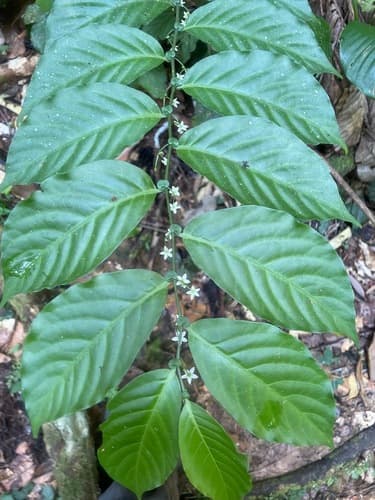
A sprawling or climbing perennial herb or subshrub, characterized by its soft, hairy, ovate leaves and distinctive pendulous, bell-shaped, yellow-green flowers. It produces small, white to yellowish, berry-like fruits.