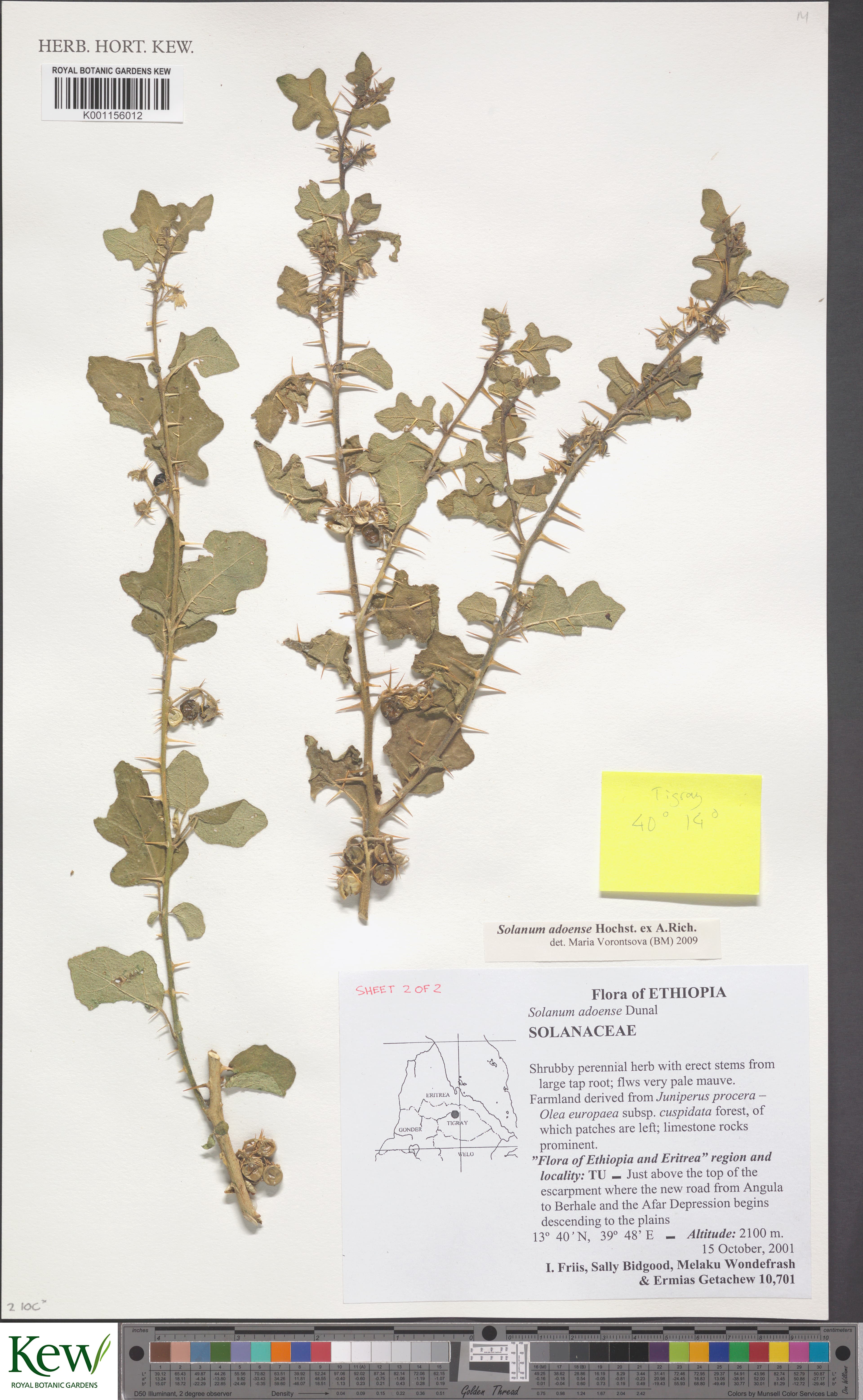
Solanum stellatiglandulosum
NameSolanum stellatiglandulosum
Scientific NameSolanum stellatiglandulosum
Common NamesStarry Gland Nightshade
Plant FamilySolanaceae
Natural HabitatNative to South America, particularly Brazil, where it thrives in disturbed areas, forest edges, and open woodlands in tropical and subtropical climates.
Parts Usedleaf,fruit
Medicinal Actionsanti-inflammatory, analgesic
Traditional UsesInformation on specific traditional medicinal uses for Solanum stellatiglandulosum is scarce. However, other Solanum species are traditionally used in folk medicine for their anti-inflammatory and pain-relieving properties, often applied topically for skin conditions or musculoskeletal pain. Internal use of Solanum species is generally approached with extreme caution due to potential toxicity.
Active Constituentssteroidal glycoalkaloids, flavonoids, phenolic compounds
Preparation Methodspoultice, decoction
Contraindications & WarningsAll parts of Solanum species, especially unripe fruits and leaves, often contain toxic steroidal glycoalkaloids. Ingestion can cause gastrointestinal upset, nausea, vomiting, diarrhea, and neurological symptoms. Avoid use by pregnant or nursing women, children, and individuals with liver or kidney conditions. Consult a qualified practitioner before any use.
Cultivation NotesPrefers warm, tropical to subtropical climates with well-drained soil and full sun to partial shade. It can be grown from seed and requires consistent moisture for optimal growth.
Rarityuncommon
Description
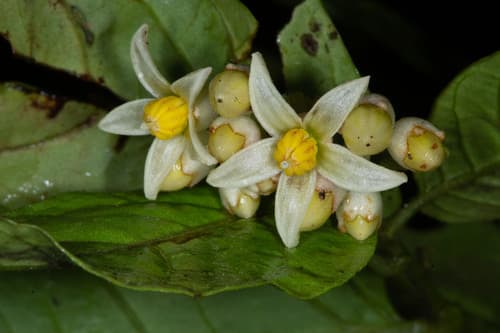
This shrubby plant features large, deeply lobed, green leaves that may be covered in glandular hairs. It produces clusters of white, star-shaped flowers with prominent yellow anthers, followed by small, spherical green berries. The plant's morphology is typical of the Solanum genus.