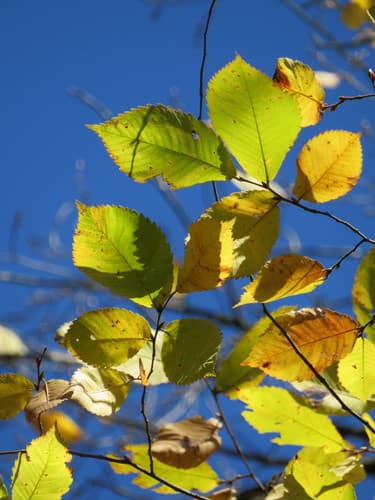
Rock Elm
NameRock Elm
Scientific NameUlmus thomasii
Common NamesRock Elm, Cork Elm, Thomas Elm
Plant FamilyUlmaceae
Natural HabitatThis tree typically grows in well-drained, often rocky or calcareous soils, commonly found on uplands, slopes, and riverbanks within mixed deciduous forests across central and eastern North America.
Parts Usedbark
Medicinal Actionsdemulcent, astringent
Traditional UsesWhile less commonly used than Slippery Elm, the inner bark of Rock Elm, like other Ulmus species, contains mucilage and was traditionally used by Native American tribes. It would have been employed to soothe inflamed mucous membranes, addressing conditions such as coughs, sore throats, and various digestive complaints.
Active Constituentsmucilage, tannins
Preparation Methodsinfusion, decoction, powder
Contraindications & WarningsGenerally considered safe, but due to its mucilage content, it may slow the absorption of other medications if taken simultaneously. It is advisable to take Rock Elm preparations a few hours apart from other drugs.
Cultivation NotesRock Elm thrives in full sun to partial shade and prefers well-drained, moist, loamy soils, though it can tolerate a range of soil types including rocky and alkaline conditions. It is a slow-growing tree and shows some resistance to Dutch Elm Disease.
Raritycommon
Description
Rock Elm is a medium to large deciduous tree native to eastern North America, known for its exceptionally hard wood and often distinctive corky ridges on its branches. Its leaves are alternate, simple, obovate to elliptical, with doubly serrate margins and a rough texture.