Alangium frutescens
NameAlangium frutescens
Scientific NameAlangium frutescens
Common NamesShrub Alangium, Ankole, Forest Alangium
Plant FamilyCornaceae
Natural HabitatNative to tropical and subtropical regions of Asia, it typically grows in the undergrowth of forests, forest margins, and secondary growth areas, preferring moist, well-drained soils.
Parts Usedbark,root,leaf,fruit
Medicinal Actionsanti-inflammatory, analgesic, antimicrobial, antioxidant
Traditional UsesTraditionally used in Ayurvedic and other Asian medicine systems for treating fever, skin diseases, rheumatism, snake bites, diarrhea, dysentery, and colic. It is also employed as an emetic, purgative, and for its anti-diabetic properties.
Active ConstituentsAlkaloids (e.g., alangine, marckine), Tannins, Flavonoids, Triterpenoids
Preparation Methodsdecoction, powder, poultice
Contraindications & WarningsShould be used with caution due to alkaloid content; high doses can induce vomiting and purgation. Avoid during pregnancy and lactation, and consult a healthcare professional for potential drug interactions.
Cultivation NotesThrives in tropical to subtropical climates with partial shade to full sun and well-drained, fertile soil. It can be propagated from seeds or stem cuttings.
Raritycommon
Description
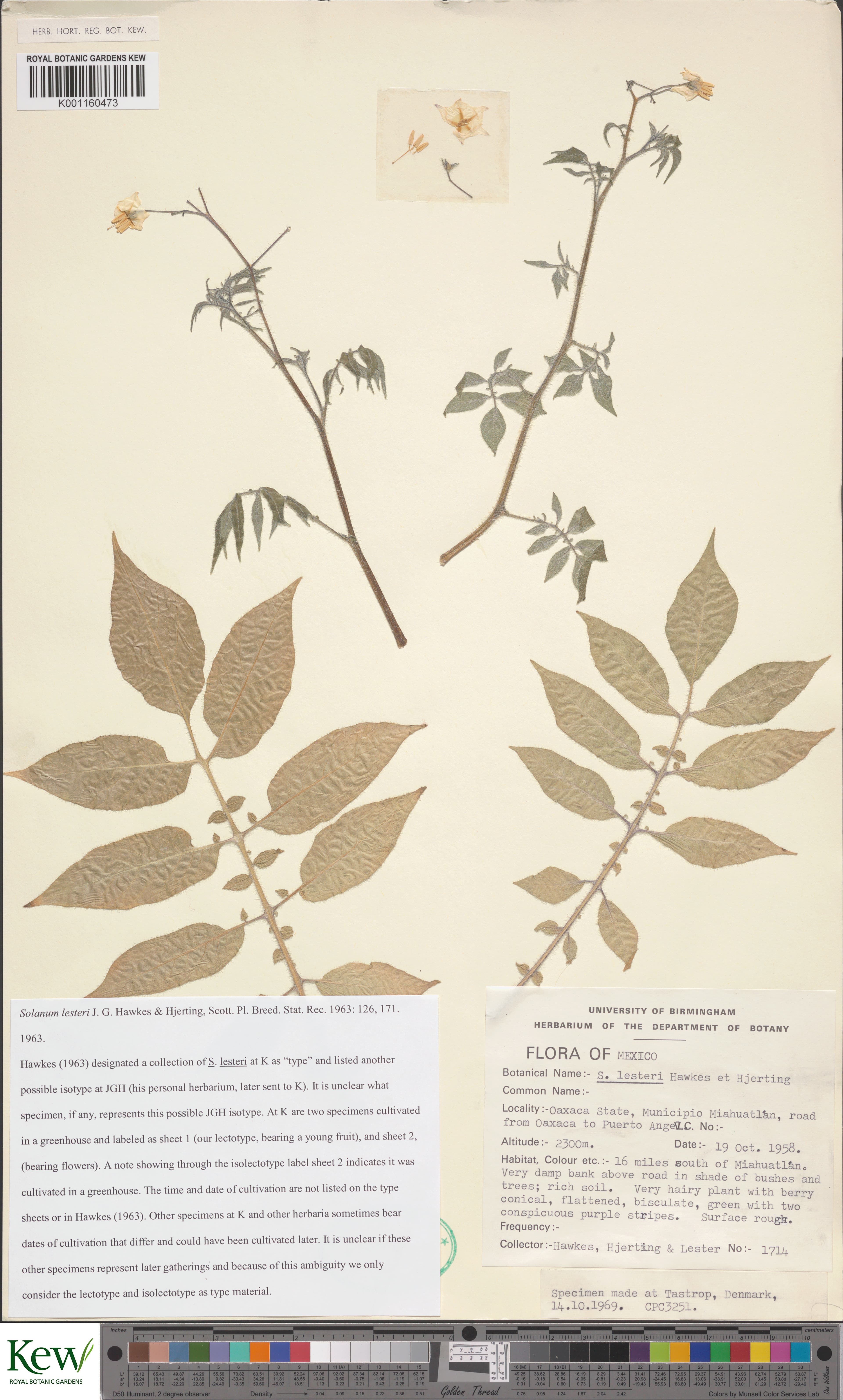
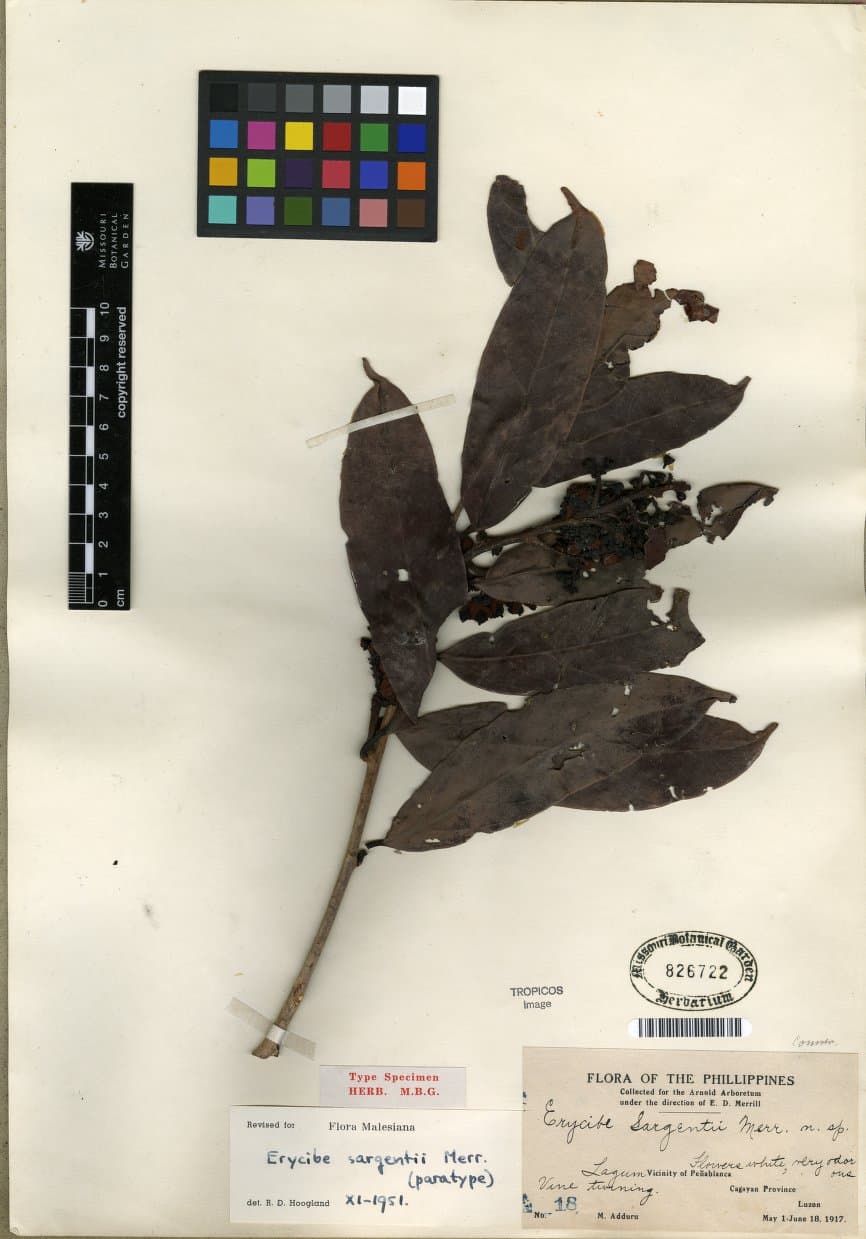
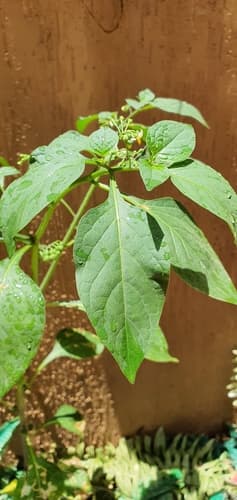
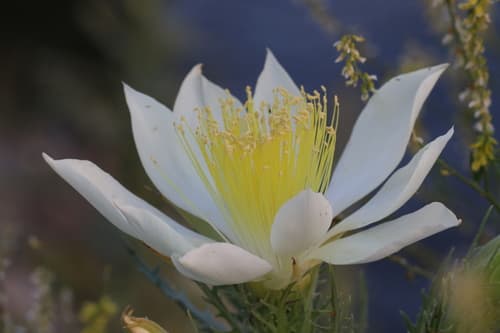
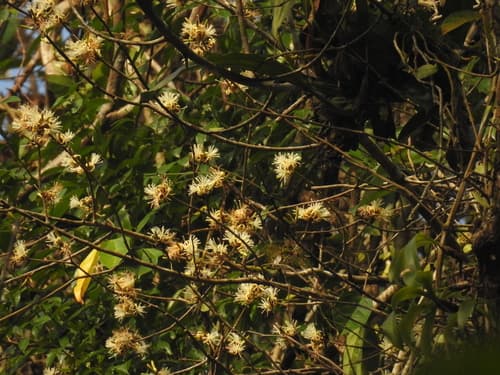
Alangium frutescens is a deciduous or evergreen shrub or small tree, characterized by its simple, alternate leaves and numerous small, creamy-white to yellowish, star-shaped flowers. These fragrant flowers, often clustered along the branches, have prominent stamens and are followed by small, fleshy fruits.