Brownstem Honeythorn
NameBrownstem Honeythorn
Scientific NameLycium pallidum
Common NamesBrownstem Honeythorn, Pale Wolfberry, Desert Thorn
Plant FamilySolanaceae
Natural HabitatNative to arid and semi-arid regions of North America, thriving in deserts, scrublands, and rocky slopes with well-drained, often sandy soils.
Parts Usedfruit,leaf,root
Medicinal Actionsadaptogen, anti-inflammatory, antioxidant
Traditional UsesTraditionally, the fruits are consumed for their nutritional value, often eaten fresh or dried, and are believed to support overall vitality and immune function. Infusions made from the leaves may be used for their mild tonic properties.
Active Constituentspolysaccharides, carotenoids, flavonoids, vitamins
Preparation Methodsinfusion, decoction, powder, tincture
Contraindications & WarningsMay interact with anticoagulant medications (e.g., warfarin) due to potential vitamin K content. Caution is advised for individuals with diabetes or those on blood pressure medication, as Lycium species can sometimes affect blood sugar and blood pressure levels.
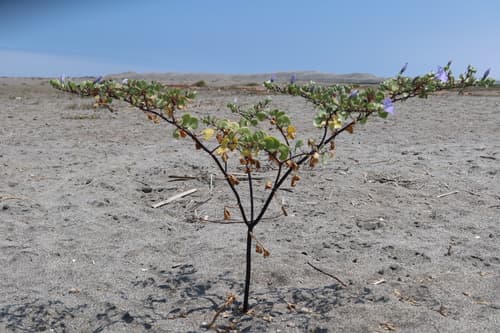
Cultivation NotesThis drought-tolerant shrub prefers full sun and well-drained soil, thriving in arid conditions. It can be propagated from seeds or cuttings and requires minimal water once established.
Raritycommon
Description
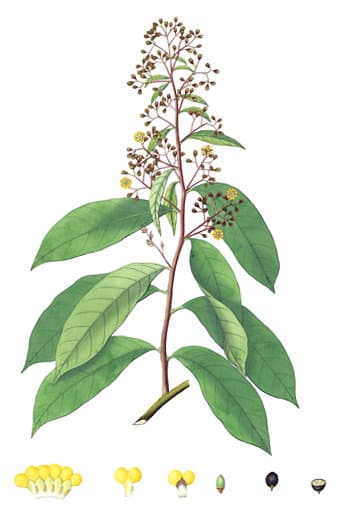
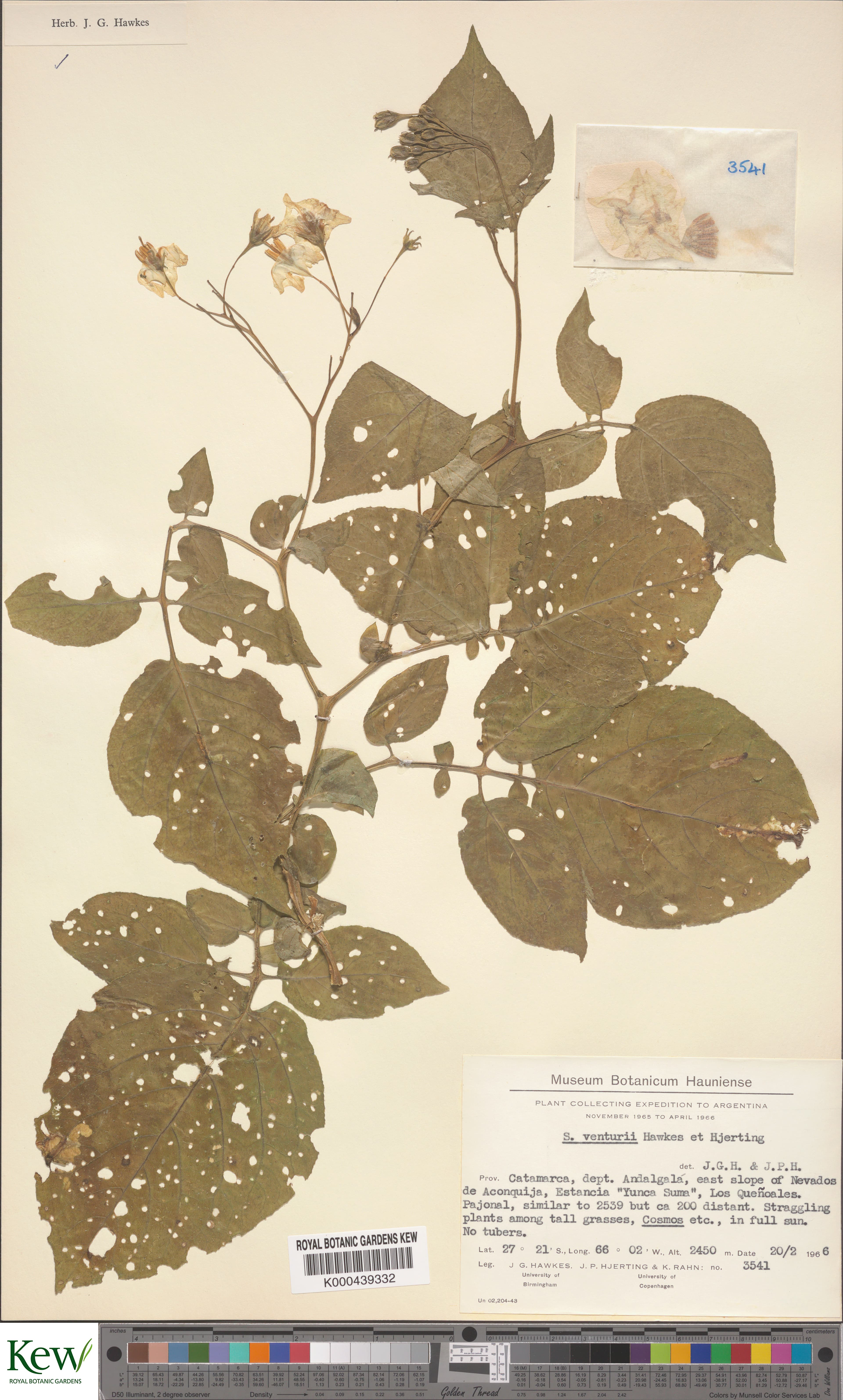
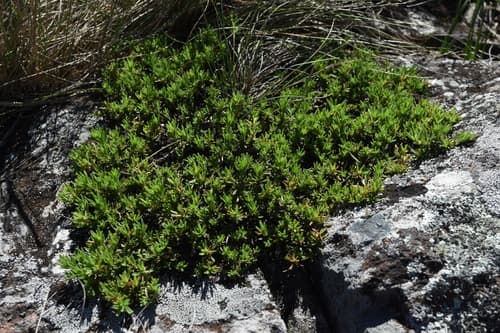
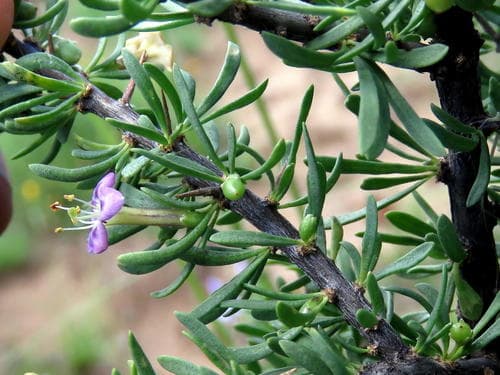
A hardy, thorny shrub characterized by its slender, often brown-tinged stems and small, somewhat fleshy, spatulate to linear green leaves. It produces delicate, tubular, purplish flowers that mature into small, round, green berries.