Mountain Hydrangea
NameMountain Hydrangea
Scientific NameHydrangea serrata
Common NamesMountain Hydrangea, Tea of Heaven, Sawtooth Hydrangea, Amacha
Plant FamilyHydrangeaceae
Natural HabitatNative to the mountainous regions of Korea and Japan, where it typically grows in woodlands, along stream banks, and in shaded, moist areas.
Parts Usedleaf,root
Medicinal Actionsdiuretic, anti-inflammatory, antimicrobial
Traditional UsesTraditionally used in East Asian medicine, particularly for urinary tract issues such as infections and kidney stones, due to its diuretic and anti-inflammatory properties. The fermented leaves (known as Amacha) are also used in Japan as a sweet, caffeine-free tea, especially in Buddhist ceremonies.
Active ConstituentsHydrangenol, Phyllodulcin, Saponins, Flavonoids
Preparation Methodsinfusion, decoction, tincture
Contraindications & WarningsLarge doses can cause gastrointestinal upset, including nausea, vomiting, and diarrhea. Caution is advised for individuals with kidney disease or those already taking diuretic medications.
Cultivation NotesPrefers partial shade and moist, well-drained, acidic soil. It is generally cold-hardy and benefits from consistent watering, especially during dry periods. Flower color can be influenced by soil pH.
Raritycommon
Description
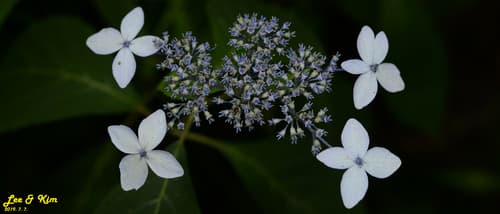
A deciduous shrub characterized by its delicate lacecap flowers, which feature an outer ring of large, sterile florets surrounding a cluster of smaller, fertile flowers. Its leaves are typically serrated and turn attractive colors in autumn.