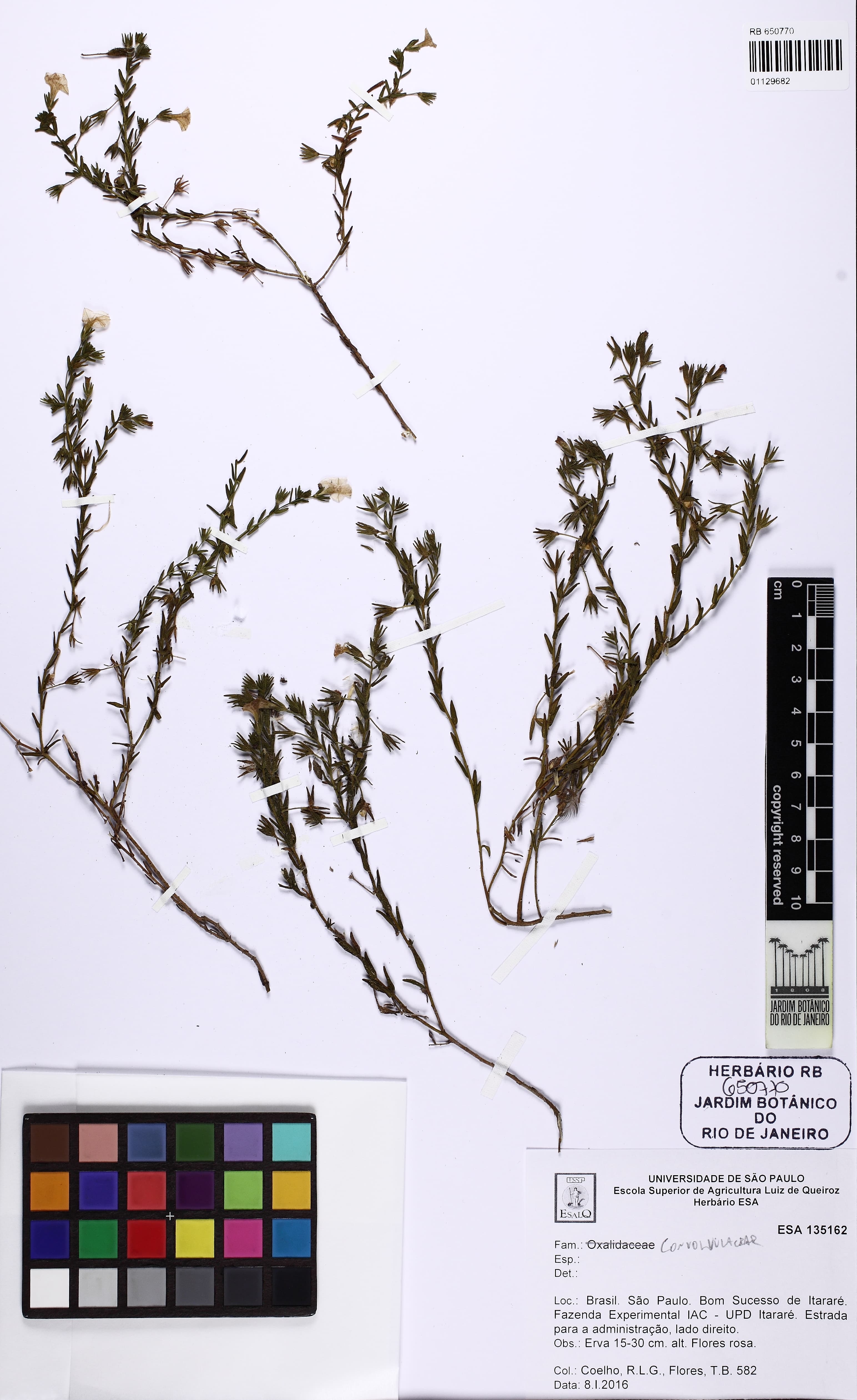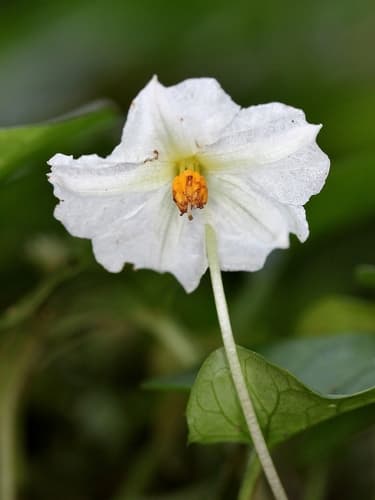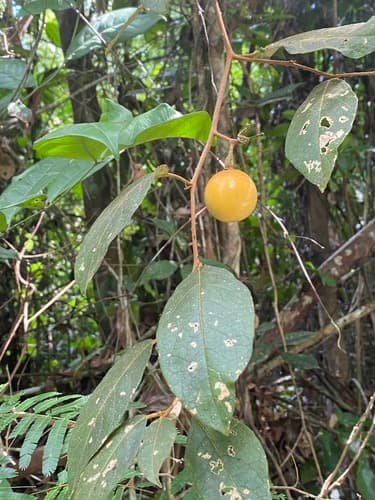
Solanum depauperatum
NameSolanum depauperatum
Scientific NameSolanum depauperatum
Common NamesNone widely known
Plant FamilySolanaceae
Natural HabitatNative to tropical and subtropical regions of South America, particularly Brazil, where it grows in forest understories, clearings, and disturbed areas.
Parts Usedfruit,leaf
Medicinal Actionsanti-inflammatory, antimicrobial, antioxidant
Traditional UsesSpecific traditional medicinal uses for Solanum depauperatum are poorly documented in global ethnobotanical literature. However, many species within the Solanum genus are traditionally used for their anti-inflammatory, antimicrobial, and analgesic properties, often applied externally for skin conditions, wounds, or pain relief. Internal use is generally approached with extreme caution due to potential toxicity.
Active ConstituentsSteroidal glycoalkaloids
Preparation Methodspoultice, decoction, tincture, salve
Contraindications & WarningsAll parts of Solanum depauperatum, especially unripe fruits, are likely toxic due to the presence of steroidal glycoalkaloids. Internal use is strongly discouraged without expert guidance and precise dosage, as it can cause severe gastrointestinal upset, neurological symptoms, and other adverse effects. Avoid use during pregnancy, lactation, in children, or individuals with liver or kidney conditions.
Cultivation NotesPrefers warm, humid climates with well-drained soil and partial shade. It is typically found in its native tropical and subtropical habitats and is not widely cultivated.
Rarityuncommon
Description
A shrub or small tree belonging to the nightshade family, characterized by simple, alternate, often ovate leaves. It produces spherical, yellow-orange berries when ripe, typically found singly or in small clusters.