Peach Thorn
NamePeach Thorn
Scientific NameLycium cooperi
Common NamesPeach Thorn, Cooper's Wolfberry, Desert Thorn
Plant FamilySolanaceae
Natural HabitatArid and semi-arid regions, including deserts, washes, rocky slopes, and dry plains. It thrives in well-drained soils and full sun.
Parts Usedfruit,leaf,root
Medicinal Actionsantioxidant, anti-inflammatory
Traditional UsesThe berries are edible and were traditionally consumed by Native American tribes (e.g., Cahuilla, Kumeyaay) as a food source, either fresh or dried. The plant was also used in traditional medicine for general wellness, though specific medicinal applications are less documented than for other Lycium species.
Active ConstituentsCarotenoids, Polysaccharides, Flavonoids, Betaine
Preparation Methodsinfusion, powder
Contraindications & WarningsGenerally considered safe when berries are consumed as food. No specific severe contraindications or drug interactions are widely reported for Lycium cooperi in typical food consumption amounts, but individuals with sensitivities to Solanaceae plants should exercise caution.
Cultivation NotesPrefers full sun and well-drained, sandy or rocky soils. Drought-tolerant once established. Can be grown from seed or cuttings and requires minimal water.
Raritycommon
Description
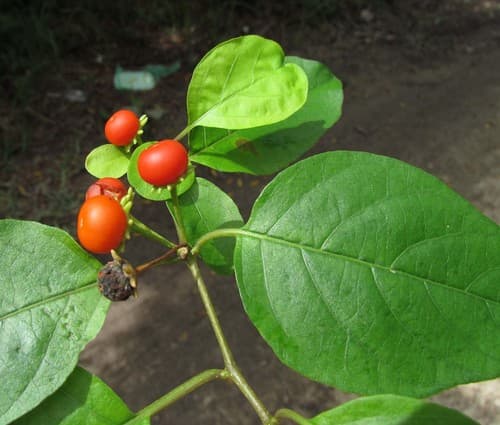
A thorny, deciduous shrub native to the southwestern United States and northwestern Mexico. It features small, fleshy, grey-green leaves and produces small, star-shaped, pale yellow to cream flowers, followed by small, red-orange berries.