Prickly Potato Weed
NamePrickly Potato Weed
Scientific NameSolanum carolinense
Common NamesCarolina Horsenettle, Prickly Potato Weed, Ball-nettle, Radish Weed
Plant FamilySolanaceae
Natural HabitatNative to North America, it thrives in disturbed soils, pastures, cultivated fields, roadsides, and open woodlands. It is considered a noxious weed in many agricultural areas.
Parts Usedroot,leaf,fruit
Medicinal Actionsanalgesic, sedative, diuretic
Traditional UsesHistorically, some Native American tribes used the root as a sedative or for treating epilepsy, and externally for skin conditions or pain. The berries were sometimes used as a rennet substitute in cheese making, but are toxic if ingested in quantity. Due to its toxicity, internal use is highly discouraged and rare in modern herbalism.
Active ConstituentsSolanine, Solanidine, Solasodine
Preparation Methodsdecoction, poultice
Contraindications & WarningsALL parts of the plant are considered toxic, especially the unripe berries, due to glycoalkaloids. Ingestion can cause nausea, vomiting, diarrhea, abdominal pain, headache, and in severe cases, neurological symptoms, respiratory depression, and death. Pregnant or breastfeeding women, children, and individuals with liver or kidney conditions should strictly avoid. Do not use internally.
Cultivation NotesThis plant is generally considered a noxious weed and is rarely cultivated intentionally. It is highly adaptable and can grow in a wide range of soil types, preferring full sun to partial shade. It spreads aggressively by seeds and rhizomes, making it difficult to eradicate from gardens or agricultural fields.
Raritycommon
Description
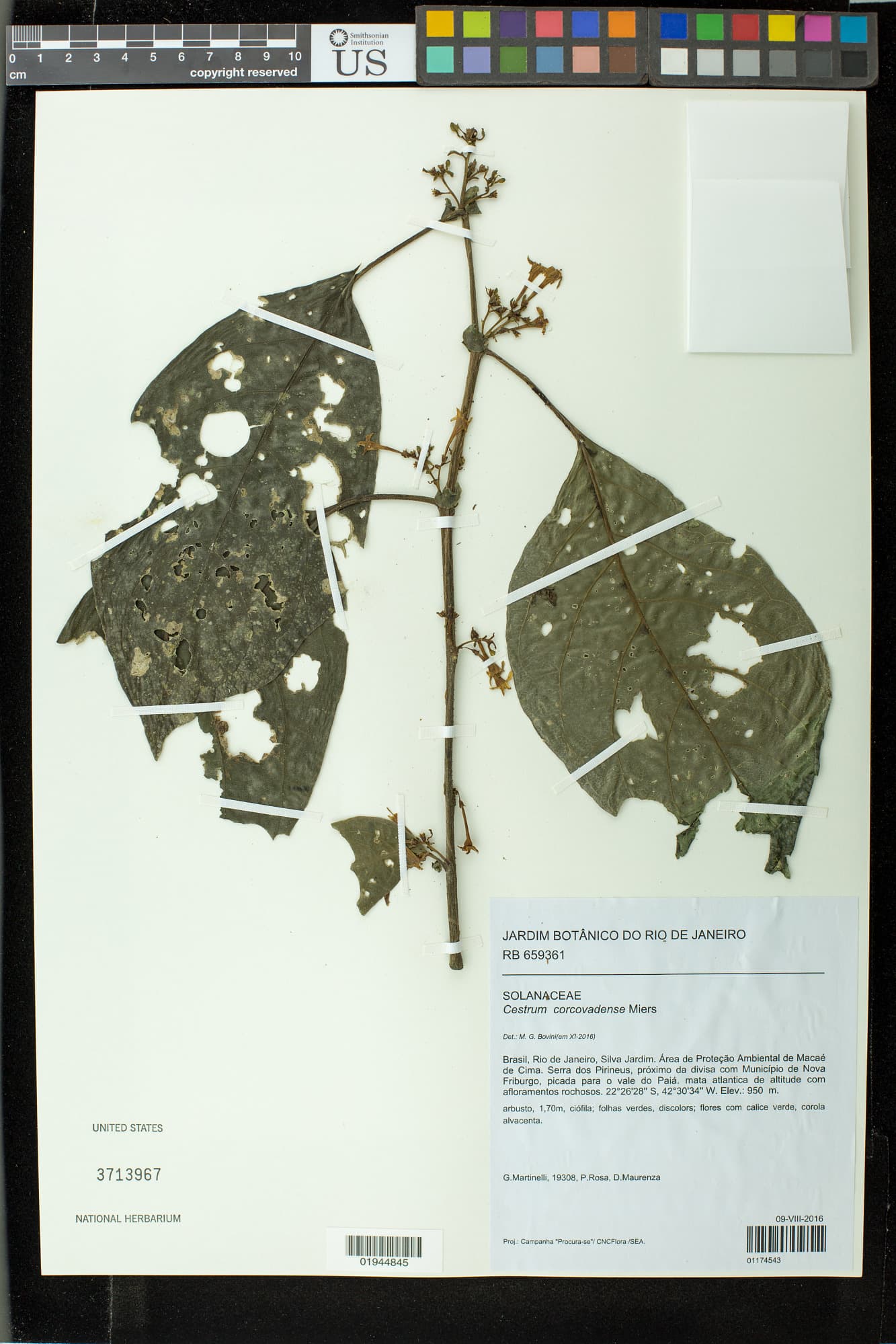
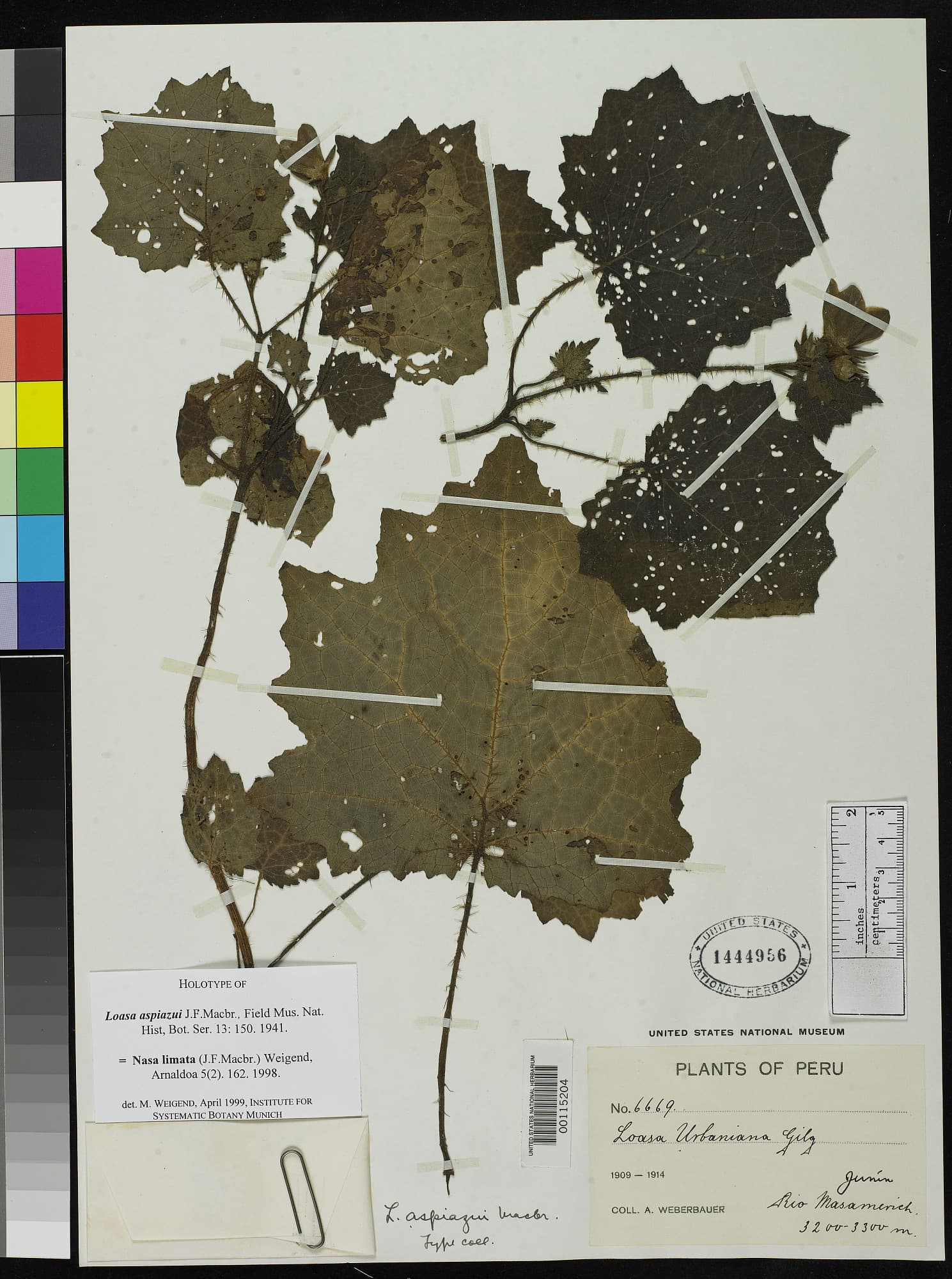
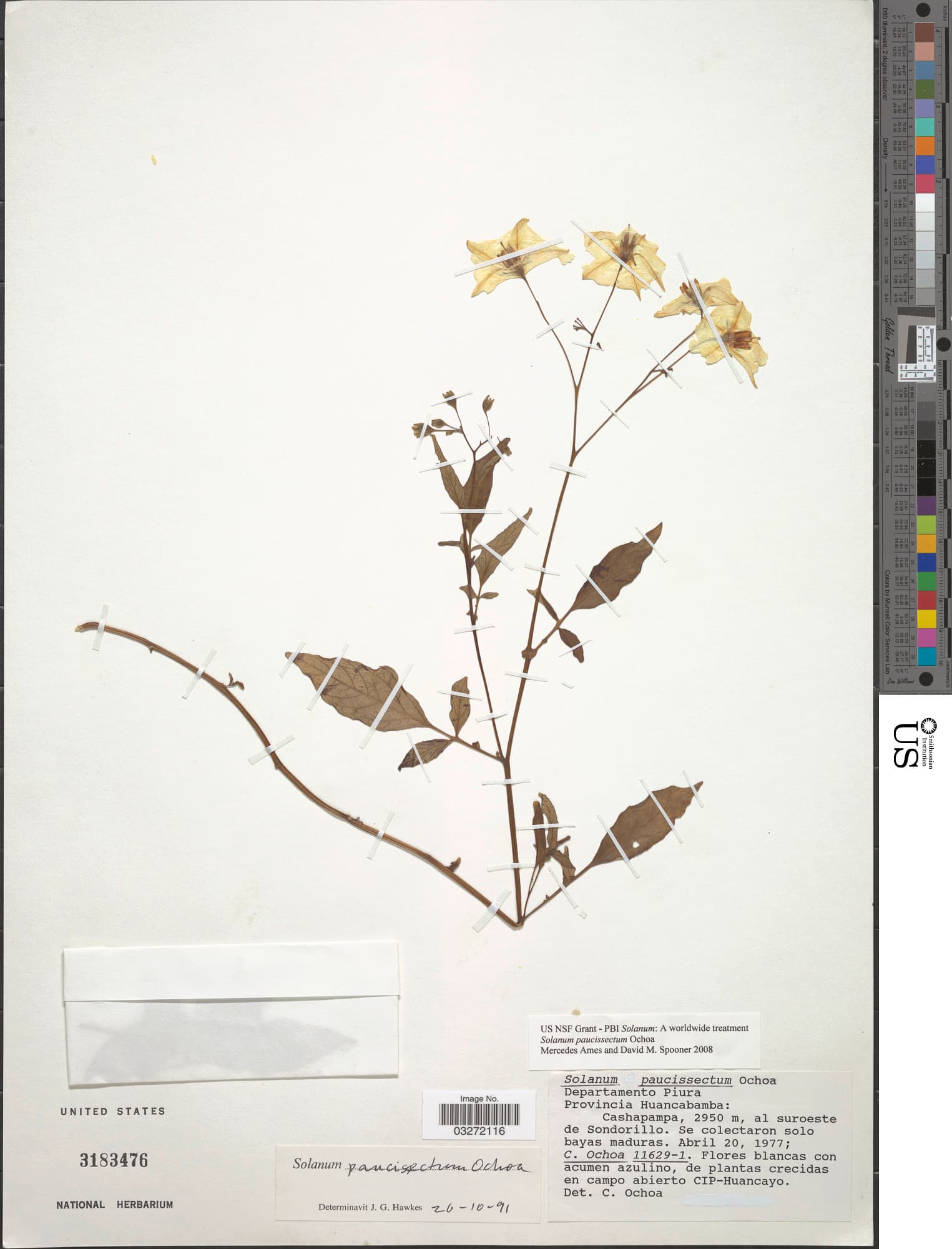
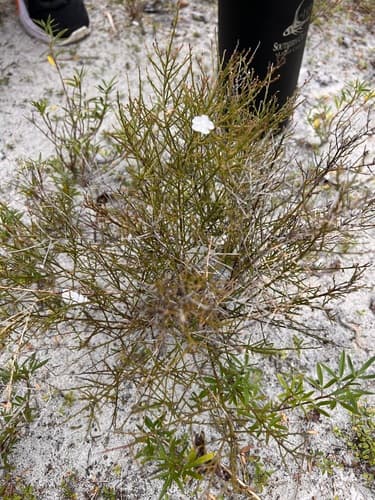
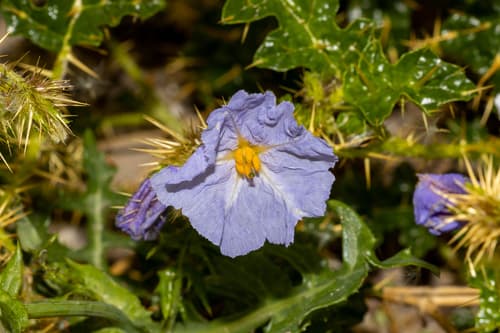
Solanum carolinense is a perennial herbaceous plant characterized by its deeply lobed, green leaves and stems covered in sharp, yellowish spines. It produces star-shaped, light purple to white flowers with prominent yellow anthers, followed by small, yellow-orange berries.