Prickly Ash
Image: Symac (CC BY-SA 3.0)
NamePrickly Ash
Scientific NameZanthoxylum americanum
Common NamesNorthern Prickly Ash, Toothache Tree, Common Prickly Ash, American Prickly Ash
Plant FamilyRutaceae
Natural HabitatNative to eastern and central North America, it thrives in woodlands, forest edges, clearings, and rocky slopes, preferring moist, well-drained soils but tolerating a range of conditions.
Parts Usedbark,fruit,leaf
Medicinal Actionsanalgesic, anti-inflammatory, antimicrobial, carminative
Traditional UsesHistorically used by Native Americans and early settlers primarily as a remedy for toothache (by chewing the bark or fruit), rheumatism, and other pain conditions. It was also used to stimulate circulation, treat cold extremities, and as a digestive aid.
Active ConstituentsAlkaloids, Coumarins, Lignans, Volatile oils
Preparation Methodsdecoction, tincture, powder
Contraindications & WarningsShould be avoided during pregnancy and lactation. May interact with blood-thinning medications due to coumarin content. Large doses can cause gastrointestinal upset.
Cultivation NotesPrefers full sun to partial shade and well-drained soil. It is drought-tolerant once established and can be propagated by seed or root cuttings. It is a hardy plant, tolerant of various soil types.
Raritycommon
Description
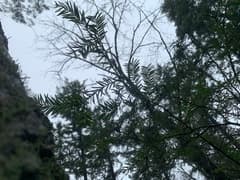
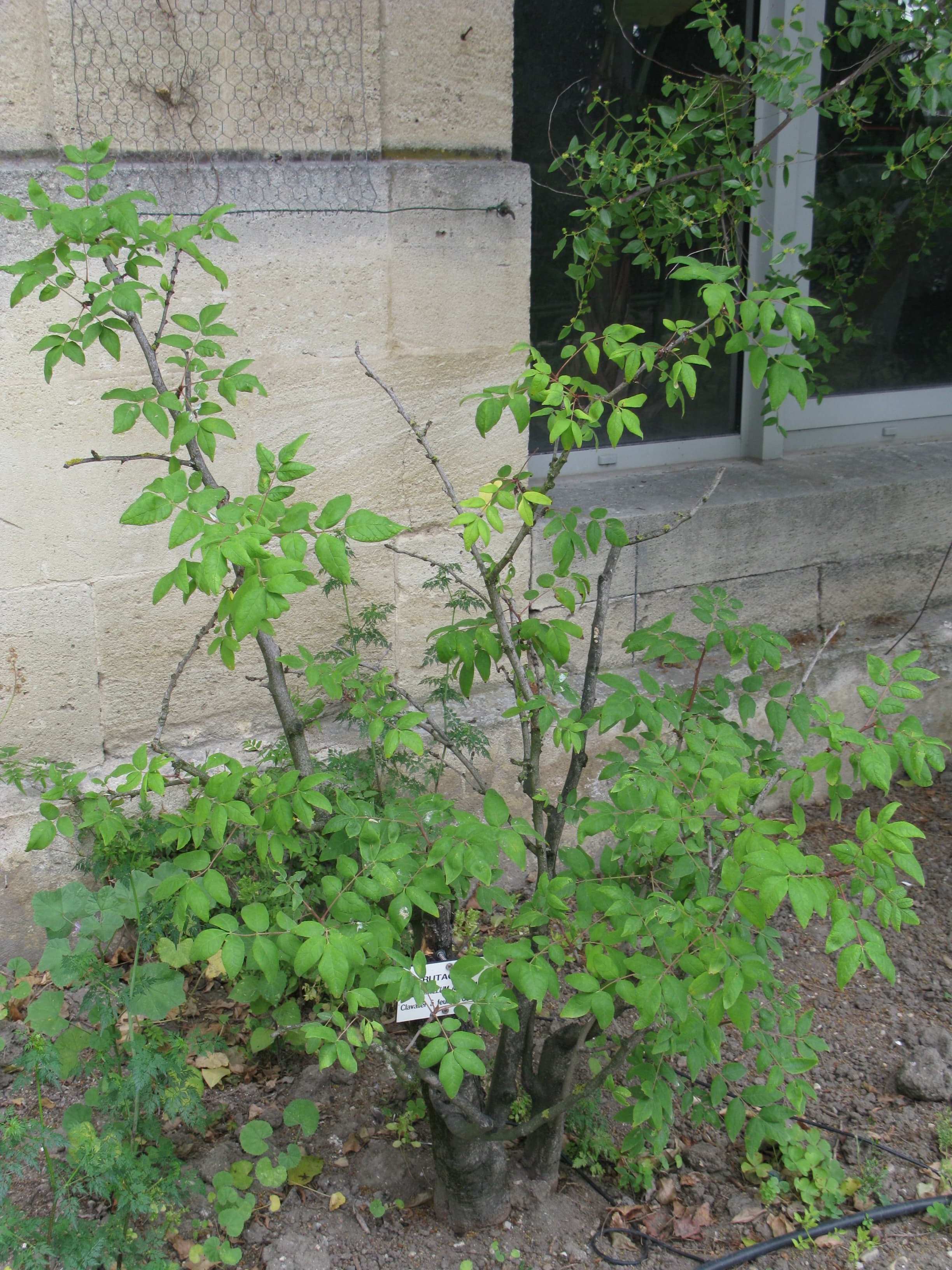
Zanthoxylum americanum is a deciduous shrub or small tree, typically growing 10-20 feet tall, characterized by its thorny stems and aromatic, pinnately compound leaves. It produces small, greenish-yellow flowers followed by small, reddish-brown capsules.